Krugersdorp: Accommodation, Attractions and Practical Planning for Visitors
Krugersdorp in Gauteng offers a compact base for travellers exploring the western edge of the Johannesburg region. The town combines a relaxed, suburban atmosphere with links to the wider gold rush heritage of the area, making it a practical stopover for a few days or a longer stay in self-catering or guesthouse accommodation. When planning your visit, it helps to think about where you’ll want to base yourself, how you’ll get around, and what you hope to see and do in the surrounding countryside and towns.
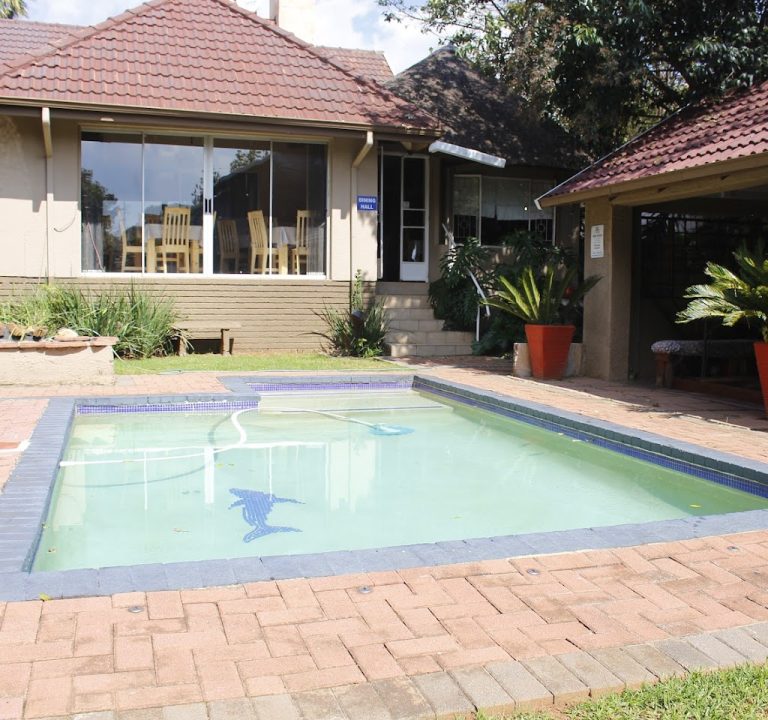
Where to stay and how to choose: Krugersdorp presents a range of options, from self-catering apartments and guesthouses to small boutique hotels. For travellers seeking a home-from-home experience, a self-catering stay can be particularly comfortable, offering a kitchen or kitchenette, lounge space and private access. A well-sited guesthouse can provide a friendly, secure environment, with friendly hosts often on hand to offer local tips. A notable example is Gregor Guesthouse, a self-catering option that showcases practical, comfortable accommodation in a convenient location. Visit their official site for a detailed overview of facilities and availability: Gregor Guesthouse.
Areas to consider when booking: Central Krugersdorp and nearby residential neighbourhoods tend to offer easy access to main roads, local shops and public transport, while outer suburbs can provide quieter streets and more space. If you prioritise easy reach to the town centre, look for properties close to main routes, with parking arrangements clearly stated. If you prefer a more peaceful stay, seek out options in residential areas known for green spaces, security features and proximity to nature trails. Your choice will affect travel times to attractions and airports, so map out a rough plan in advance.
What to look for in facilities and amenities: Practical features make a big difference for longer visits. A well-equipped kitchen or kitchenette, reliable Wi-Fi, secure parking, and clear cleaning protocols are worth confirming before you book. For business-ready trips, check for a quiet work space and sufficient power outlets. For families or groups, consider multiple bedrooms, living areas, and easy access to outdoor spaces. On-site laundry facilities can be a real convenience for longer stays. If the listing mentions a pool or braai (barbecue) area, verify seasonal availability and safety aspects for children.
Transport and getting around: Krugersdorp is a drive-friendly destination with good road connections to Johannesburg and other towns in the West Rand. A private car or rental vehicle gives you maximum flexibility to explore beyond the town itself, including nearby nature reserves and cultural sites. Taxis and ride-hailing services operate in and around the area, but it helps to plan routes in advance and confirm expected travel times, especially at peak hours. If you’re relying on public transport, research local bus routes or connections to neighbouring towns, as services can vary by area. Consider arranging airport transfers or local day trips through your accommodation host or a trusted operator to simplify logistics.
Best time to visit: The South African climate means Krugersdorp can be comfortable most of the year. Late autumn to spring (April to September) tends to be drier and mild, which is pleasant for outdoor activities such as short hikes or scenic drives. If you enjoy a bit of summer warmth, the longer daylight hours can be ideal for exploring outdoor markets and parks, but expect showers in the late afternoon during the wetter months. Should you be sensitive to heat, plan outdoor plans for the cooler parts of the day and use sun protection and hydration as a routine.
What to do and see (general guidance): While Krugersdorp itself provides a calm base, the surrounding region offers a mix of nature, heritage and cultural experiences. You can expect optional visits to local museums or heritage centres to learn about mining history and regional development, as well as opportunities for scenic drives and short hiking routes in nearby natural settings. For a broader day out, consider excursions to nearby towns or nature reserves where guided walks, birdwatching, or seasonal activities may be available. Dining in the area ranges from casual eateries to cafés and neighbourhood bistros offering uncomplicated meals and locally sourced dishes. When planning activities, balance active exploration with restful breaks back at your accommodation to recharge for the next day of discoveries.
Tips for planning a smooth stay:
- Read guest reviews before booking to gauge the realism of listed facilities and the responsiveness of hosts.
- Confirm check-in procedures and whether self-check-in is available if you anticipate late arrivals.
- Ask about security features, especially if staying in residential areas or at properties with shared spaces.
- Check the parking arrangements and access routes to the property to avoid last-minute hassles.
- Bring essentials such as a universal adaptor, a basic first-aid kit, and any dietary provisions you may require.
- Plan a rough itinerary but allow some flexibility for spontaneous discoveries, such as a local farmers’ market or a scenic detour.
Booking and planning resources: Start with the accommodation listing you choose and review the site’s practical details—photos, floor plans, and included amenities. Look for clear cancellation policies and a transparent payment process. If you’re curious about additional experiences, many hosts offer guidance on local outings, private tours, or neighbourhood strolls that align with your interests. Websites linked to your chosen stay are a good starting point for current information and availability, and they can provide a sense of the area’s character before you arrive.