Accommodation and visitor experiences in Gqeberha, Eastern Cape
Gqeberha, formerly known as Port Elizabeth, sits along the eastern skirts of South Africa’s Eastern Cape and serves as a gateway to the popular coastal routes of the region. Its mix of modern hotels, stylish guesthouses, and self‑catering stays makes it easy to tailor a visit around comfort, convenience and authentic local experiences. When planning a stay, consider the areas that suit your pace, whether you favour beachfront strolls, leafy inner-city streets, or tranquil suburban settings close to nature reserves.
Central and harbourfront areas are popular for first‑time visitors, offering quick access to main roads, dining options and transport links. The beachfront and nearby beachfront suburbs provide easy access to well‑maintained beaches, promenades and a range of eateries with sea views. Suburban and rural‑peripheral pockets present quieter stays with country‑style charm, often with more spacious self‑catering options and opportunities for a peaceful reconnect with coastal flora and coastal birds. For longer stays, a mix of locations can help you balance days spent exploring museums and markets with days spent lounging by the sea or exploring nearby nature reserves.
When you book, look for clarity on the type of accommodation: a self‑catering unit, a guesthouse room, a boutique hotel suite or a bungalow. Consider the typical amenities important to you—self‑catering facilities, reliable Wi‑Fi, secure parking, and access to communal spaces. If you are travelling with family or a group, a galley kitchen, multiple bedrooms, and outdoor spaces such as patios or small gardens can be particularly useful. Also check whether the property offers laundry facilities, as this can save time on longer trips.
Transport is a practical consideration. A car is convenient for exploring beyond the city centre, including beaches, wildlife reserves and the scenic coastal route. If you plan to rely on public transport, verify proximity to major bus routes or a taxi service, and whether the accommodation can assist with transfers or provide guidance on local travel options. For arrivals by air, staying in areas close to the road routes into the city centre helps minimise transit time.
Best time to visit the region generally aligns with the Southern Hemisphere seasons. Summers (December to February) tend to be warmer and ideal for beach days, while autumn (March to May) can be quieter with pleasant temperatures. Winter (June to August) is milder than inland regions, but seaside winds tend to increase. Shoulder seasons offer good value and fewer crowds. If you plan outdoor activities such as wildlife watching or coastal walks, seek seasons with calmer winds and clear skies, but be prepared for occasional showers in the transitional months.
Practical planning tips help you optimise your stay. Create a small daily plan that balances indoor comfort with outdoor activities, especially if you are travelling with children or older travellers. Pack a versatile wardrobe suitable for sun, wind and the occasional shower, plus a light rain layer. If you are staying in a self‑catering unit, stock up with basics on arrival and check the kitchen’s equipment before you begin. Should you be staying in a more rural setting, ask about local dining options or markets where you can source fresh, regional ingredients for memorable meals at your accommodation.
Along with comfortable lodging, consider booking a few experience‑led activities that showcase the region’s hospitality and landscape. Coastal walks and safe beaches can be the focus of relaxed days, while days spent exploring markets, artisan shops and seaside cafés provide a taste of local life. If you enjoy nature, plan trips to nearby nature reserves or parks where guided trails and viewpoints reveal marine and birdlife, landscapes, and the area’s unique flora. Culture and history interests can be satisfied with museums, galleries and heritage sites that illuminate the city’s development and its communities.
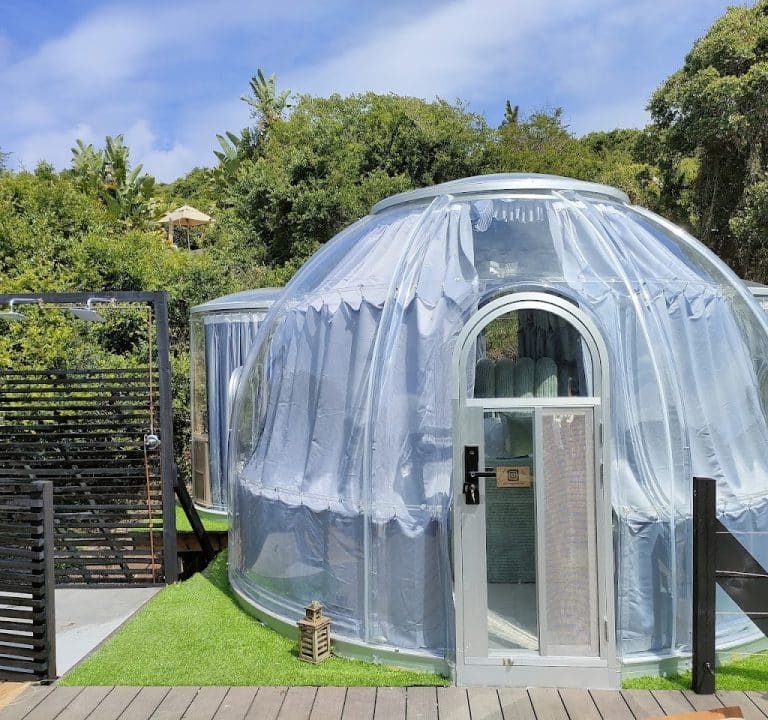
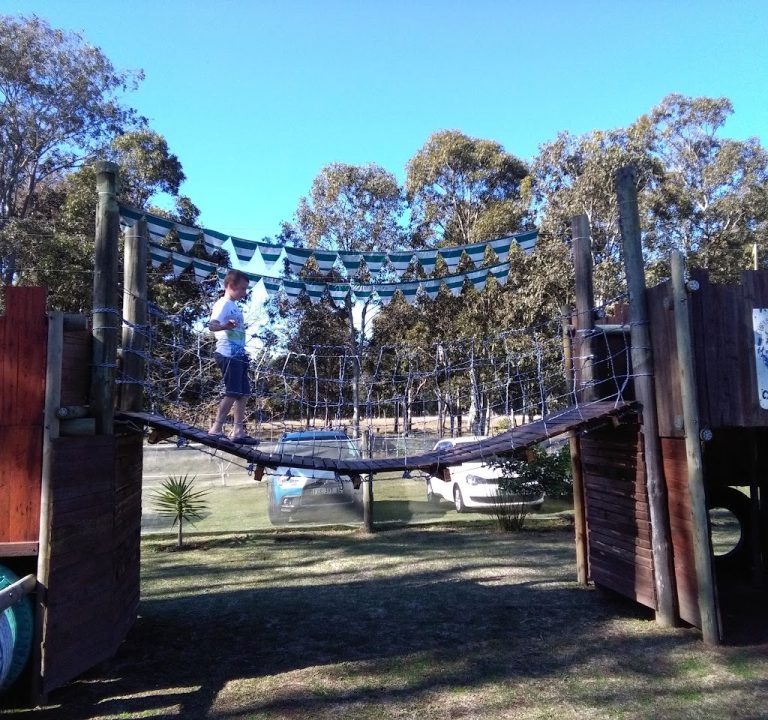
One stay option to explore for those seeking a self‑catering approach is Greenfields Farm Stay. This option provides a country‑style base with a focus on independent meals and outdoor space, offering a different pace from city‑centre stays. You can learn more about this property through its official website: Greenfields Farm Stay.
When it comes to dining out, travellers can expect a range of choices from casual cafés to grill‑and‑braai style restaurants, with menus often highlighting seafood, local produce and dishes inspired by South Africa’s diverse culinary influences. To plan your evenings, consult locally produced guides or your accommodation host for suggestions on close‑by spots offering safe and welcoming environments, as well as options for family meals or romantic dinners by the coast or in quiet neighbourhoods.
Sample planning tips for a balanced itinerary:
- Allocate a beach day or two near your accommodation to enjoy the coastline with flexible return times.
- Choose one full‑day excursion to a nearby reserve or scenic drive, keeping a lighter day for shopping or spa treatment back at your lodging.
- Shop for fresh ingredients at local markets if you are self‑catering, or book a farm‑to‑table experience if available through your host.
- Check the weather forecast ahead of outdoor activities and pack accordingly, including sun protection and sturdy footwear.
In summary, Gqeberha offers a spectrum of stays—from cosy self‑catering retreats to stylish guesthouses and hotels—that suit varied itineraries. By weighing location, transport, and amenity needs, you can craft a stay that blends restful mornings with memorable days on the coast and in nature. Always verify current facilities and access details with your chosen host and use official websites for the most up‑to‑date information before you travel.