Staying in Qonce: accommodation, planning tips and a flavour of the area
Qonce, in the Eastern Cape, offers a relaxed base from which to explore the coast, the surrounding countryside and the rich history of the region. Whether you prefer a friendly B&B, a comfortable guesthouse, or a small hotel with character, you’ll find options that suit a range of budgets and travel styles. A stay here is often about balance: convenient access to town conveniences, journey-friendly transport links, and the chance to slow down and observe a different pace of life in South Africa’s heartland.
Consider your base carefully. The central part of Qonce gives you straightforward access to shops, cafes and local services, with easy routes to the nearby coastal towns and nature reserves. If you’d rather be closer to quieter residential lanes, look for accommodation in the surrounding suburbs or in small rural holdings just beyond the town. For travellers who value easy day trips, staying near main routes can save time on long drives, while a more secluded spot can offer better opportunities for peaceful evenings on a veranda or in a garden setting.
Typical accommodation in Qonce encompasses a mix of bed-and-breakfast properties, guesthouses and modest hotels. Common amenities to look for include private or en-suite bathrooms, reliable hot water, good Wi‑Fi, on-site parking, and a hearty breakfast option—often a highlight of B&Bs and guesthouses. If you’re travelling with family or a group, check for family rooms or suites, flexible bedding configurations, and safe, well-lit outdoor spaces. Hosts frequently provide local recommendations, maps, and tips for making the most of your visit, which can be especially helpful when you’re unfamiliar with the area.
Transport and getting around are practical considerations. Qonce is well connected by road, and many guesthouses and small hotels offer on-site parking. If you plan to explore beyond the town, you may want to hire a car; public transport can be more limited in rural parts of the Eastern Cape. For day excursions, consider coordinating with your host about private transfers or organised tours, which can add convenience and value to your stay. If you’re flying in, the nearest major hubs are a few hours away by road, so a well-planned arrival and departure schedule is advisable.
Best time to visit depends on your interests. The region enjoys a temperate climate with warm summers and mild winters. Summer (roughly November to February) brings longer days and the possibility of short afternoon showers, which can be pleasant for outdoor activities but may require a flexible itinerary for outdoor experiences. Autumn and spring offer comfortable weather for exploring museums, historic sites, and outdoor markets. Winter evenings can be brisk, so a cosy guesthouse with a well-heated common area can make a big difference to your comfort. If you’re chasing certain seasonal activities or wildlife viewpoints, a quick check of local guides or the official tourism site can help you time your stay to the best moments of the year.
When planning what to do, you’ll find a mix of attractions and experiences that suit different interests. In general terms, you can expect cultural and historical sites that tell stories of the area, quiet river walks, and opportunities to observe local life at markets or small eateries. If you enjoy nature, it’s worth confirming possible short drives to nearby reserves or nature trails where wildlife and birdlife can be enjoyed at a leisurely pace. After a day of sightseeing, you may want to unwind with a casual meal at a local eatery, where you can sample South African dishes prepared with regional influences in a relaxed setting. For those who enjoy a touch of local colour, evening strolls to markets or cafés often reveal friendly conversations and a sense of community typical of smaller towns in the Eastern Cape.
Practical tips to maximise your stay:
- Book accommodation with flexible cancellation where possible, and confirm check-in times, breakfast arrangements, and parking details ahead of arrival.
- Ask hosts for practical tips on safety, local transport options, and worthwhile day trips catering to your interests.
- Pack layers for variable weather and a light rain jacket for afternoon showers in the warmer months.
- Plan a mix of rest days and activity days to avoid travel fatigue, especially if you’ll be driving between towns or reserves.
- Keep a small change of currency for incidental purchases in markets or small cafes, as rural areas sometimes operate cash-only or limited card facilities.
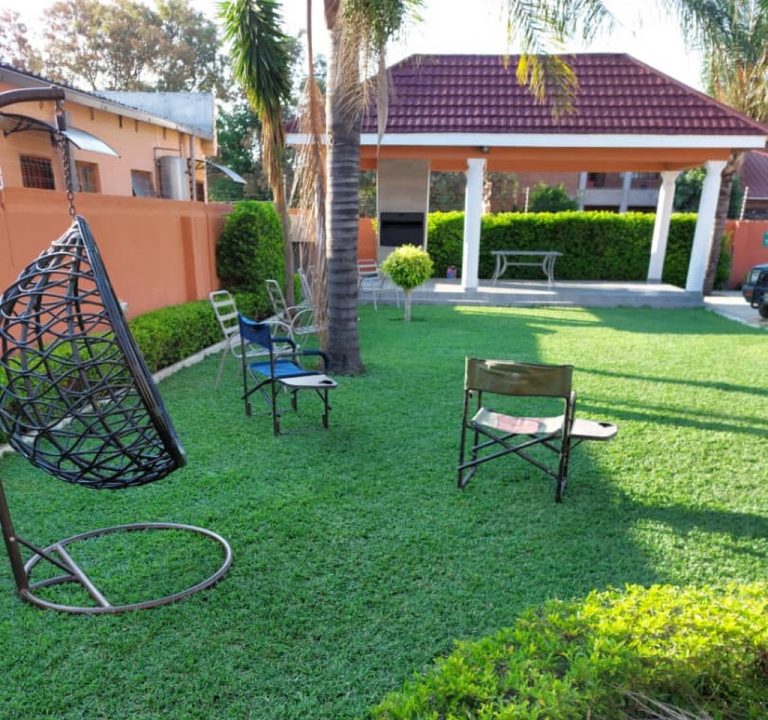
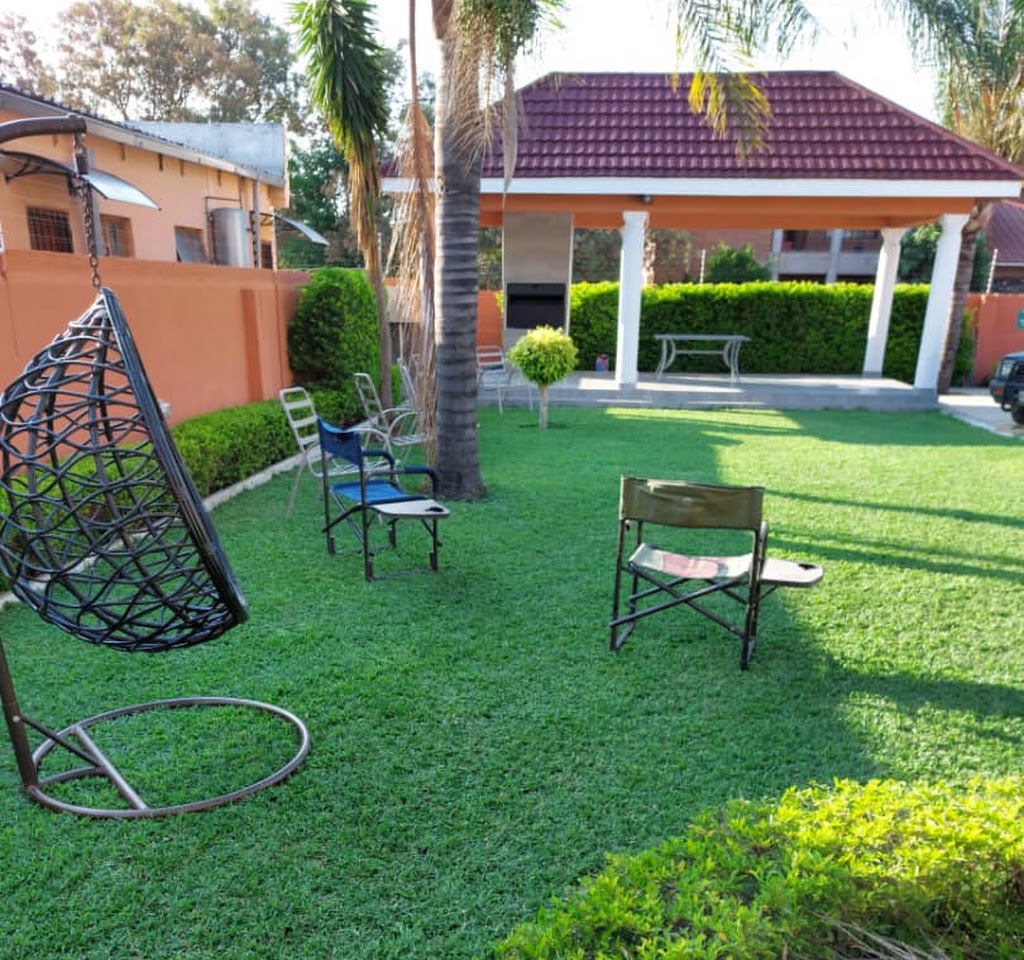
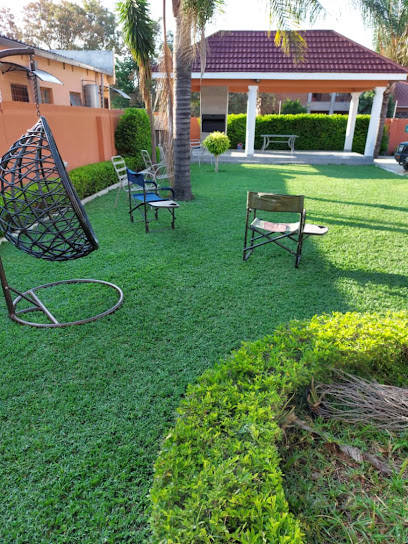
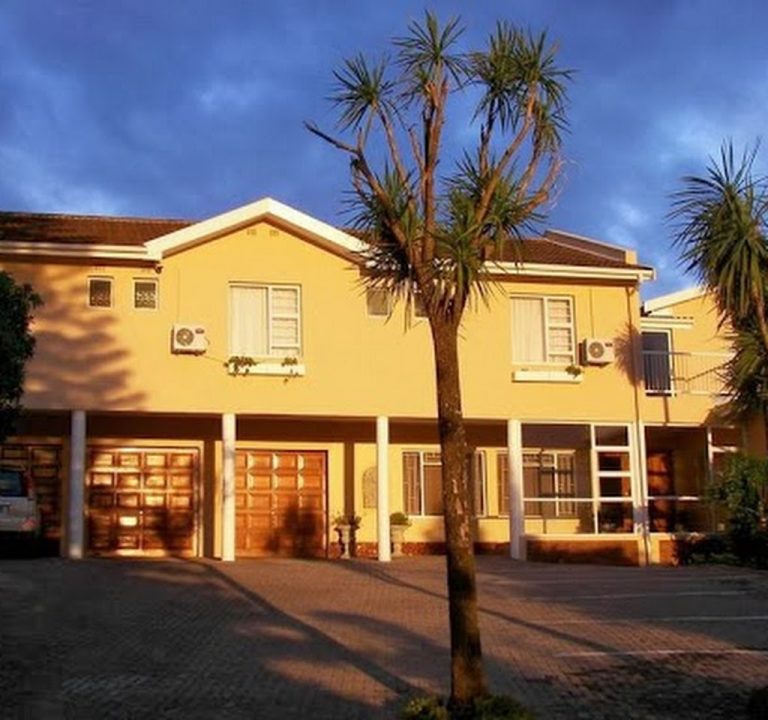
If you’d like a starting point for planning, you can consult national and regional tourism resources for up-to-date information on accommodation standards, local attractions, and guided experiences. Websites from national tourism bodies and regional portals often provide practical guides, suggested itineraries, and maps that can help you shape a balanced stay. For a concrete example of a welcoming base, you might seek out a family-run B&B in Qonce—such as Greenery Guest House—where you can enjoy personalised service and the opportunity to engage with hosts who know the area well. When selecting a place to stay, read recent guest reviews, check for clear descriptions of amenities, and verify whether breakfast, parking and Wi‑Fi are included in the rate. A well-chosen base can make a modest trip feel wonderfully complete, turning travel time into an integral part of the experience.
Useful links for planning a trip to Qonce and the Eastern Cape include official tourism portals and regional guides. See for example the Eastern Cape and South Africa national tourism sites for overviews of attractions, routes, and practical travel tips. For inspiration, you can also explore general travel guides that highlight the character of small towns and guesthouses across the province, helping you tailor a stay that feels both restful and rewarding.