Discover Cape Town: Accommodation, Attractions and Planning Your Stay
Cape Town, tucked between the Atlantic Ocean and a dramatic coastline, offers a wide range of stay options to suit every traveller. Whether you are drawn to the buzz of the city, the sun-washed beaches along the Atlantic Seaboard, or the green pockets of Constantia and the winelands, planning ahead helps you maximise your time and enjoyment. A well-chosen base can cut transit time, keep you rested, and expose you to the best that the region has to offer.
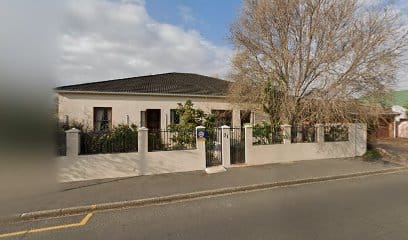
When selecting accommodation, consider the neighbourhoods in relation to your priorities. The City Bowl provides easy access to museums, markets and nightlife, with convenient public transport links to most sights. The Atlantic Seaboard and Green Point offer beachfront ambience and stunning sea views, while Camps Bay and Clifton are ideal for long coastal strolls and chic dining. For wine country and quieter outskirts, Constantia and the surrounding winelands make for peaceful day trips. A charming option to consider is Green Gables, a guest house located in Strand, which sits along the False Bay coast and offers a comfortable base with straightforward access to Cape Town’s attractions and the surrounding scenery. More details can be found at its website.
Typical amenities to look for include reliable Wi‑Fi, secure parking if you are hiring a car, air conditioning or good ventilation, en-suite bathrooms, and a generous breakfast offering. Many guest houses and smaller hotels in Cape Town emphasise personalised service, with hosts who can recommend restaurants, set up tours, or help you navigate local transport. For longer stays or families, consider self‑catering options or larger suites with kitchen facilities. If you value outdoor space, many guest houses boast terraces or pools, particularly those set against the backdrop of mountainous terrain or sea views.
Practical planning tips can save time and money. Consider booking in advance for peak seasons, which typically run from November to February when the weather is warmest, and again around long weekends and school holidays. Shoulder seasons can provide quieter experiences with milder temperatures and good value. When arranging transport, the MyCiTi bus network offers a straightforward way to move around the city centre and major tourist zones, while hire cars provide flexibility for coastal drives along Chapman's Peak or the Atlantic coastline. If you prefer guided insights, many operators offer hop-on, hop-off experiences or day tours to the Cape Peninsula, Cape Point, and the Cape Winelands, including Stellenbosch and Franschhoek.
Iconic experiences that most visitors want to include—weather permitting—range from cable-car views of Table Mountain to ferry or boat trips to Robben Island. The V&A Waterfront provides a hub for shopping, dining and harbour views, while the botanical richness of Kirstenbosch National Botanical Garden offers tranquil walks on warmer days. The Cape Peninsula scenic drive unveils beaches, bays and dramatic cliffs, culminating in the Cape Point reserve. For food and drink, you will encounter a diverse scene ranging from fresh seafood and casual cafés to fine dining; many neighbourhoods have markets, street food stalls and vineyard restaurants that showcase local produce and South African flavours.
Accommodation types you may encounter include guest houses, boutique hotels, self‑catering apartments, and lodges in nearby suburbs or towns. Guest houses tend to range from intimate properties with a handful of rooms to larger establishments with shared lounges and gardens. In Strand, as in Cape Town’s coastal districts, staying close to the water often means easy access to morning beach walks and sunset views, with the trade‑off of a shorter drive into the city centre. When booking, verify the cancellation policy, whether breakfast is included, and the availability of facilities such as laundry, recycling options, and secure parking, as these can significantly affect your daily rhythm during the stay.
If you are organising a first trip to the region, a simple plan could be to base yourself for 3–5 nights in the City Bowl or Green Point for urban exploration, then add 2–4 nights in the Atlantic Seaboard or a Constantia‑area guest house to balance sightseeing with relaxation. Day trips to the Cape Winelands or the Cape Peninsula are easily arranged from most central bases, with travel times typically in the 45–90 minute range depending on traffic and weather conditions.
- Pack versatile clothing: coastal mornings can be cool, with warmer afternoons in peak season.
- Book coastal or mountain views if you value scenery, but consider parking and access if you prefer a central location with quick city access.
- Check transport options in advance: nearby rail or bus stops, and whether your accommodation offers parking or shuttle services.
- Look for hosts or properties that offer local recommendations for restaurants, markets, and must‑see viewpoints.
With careful planning, Cape Town can be enjoyed at your own pace, balancing restful mornings with lively days exploring its landscapes, cuisine and culture. For a comfortable base with easy access to the coast and the city, consider staying in a guest house like Green Gables, which can provide a cosy home‑from‑home experience while you discover both well-known sights and hidden corners of this remarkable region.