Wilderness, Western Cape: Accommodation, Attractions and Planning Your Stay
Wilderness sits between the swell of the Indian Ocean and a lush canopy of Indigenous forest, offering a relaxed base for visitors exploring the Garden Route. For a stay that embraces both sea and nature, consider a mix of self-catering cottages, guesthouses and small lodges in the village core or along the dune-fringed coastline. Grants Place, a self-catering option within Wilderness, provides a practical choice for travellers who want flexibility, privacy and a home-from-home feel after days spent on riverside walks or coastal cycles.
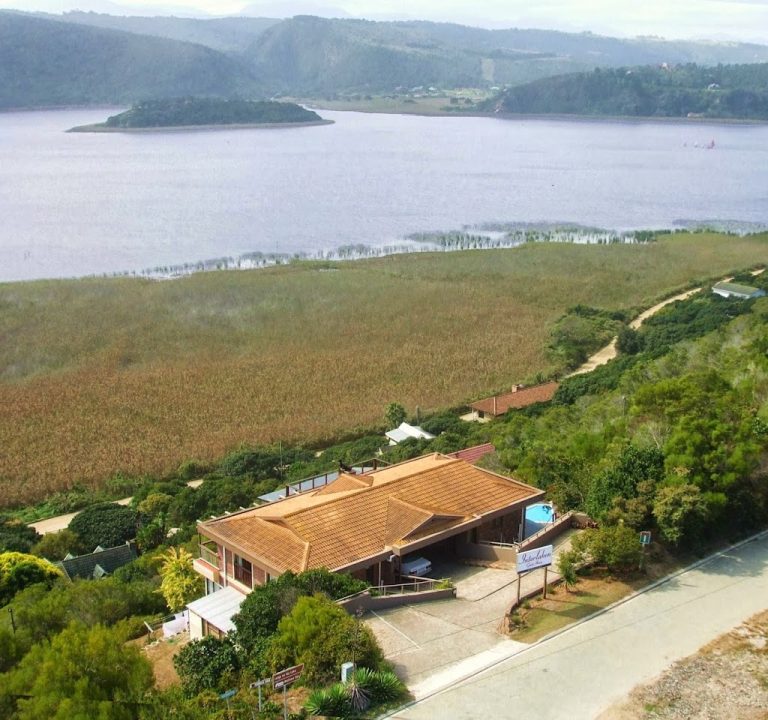
Areas to consider include the village centre, where many guesthouses cluster within easy reach of shops, cafés and the local markets, and the fringe near the beach or forest reserves, which often offer studios or larger homes with panoramic views. If you prefer quieter mornings, look for properties slightly away from the main thoroughfares yet within a short drive of the beach, the river and the forest trails. With limited public transport in parts of the Garden Route, a car is typically the most convenient way to explore the region and to reach trailheads, nature reserves and popular beaches.
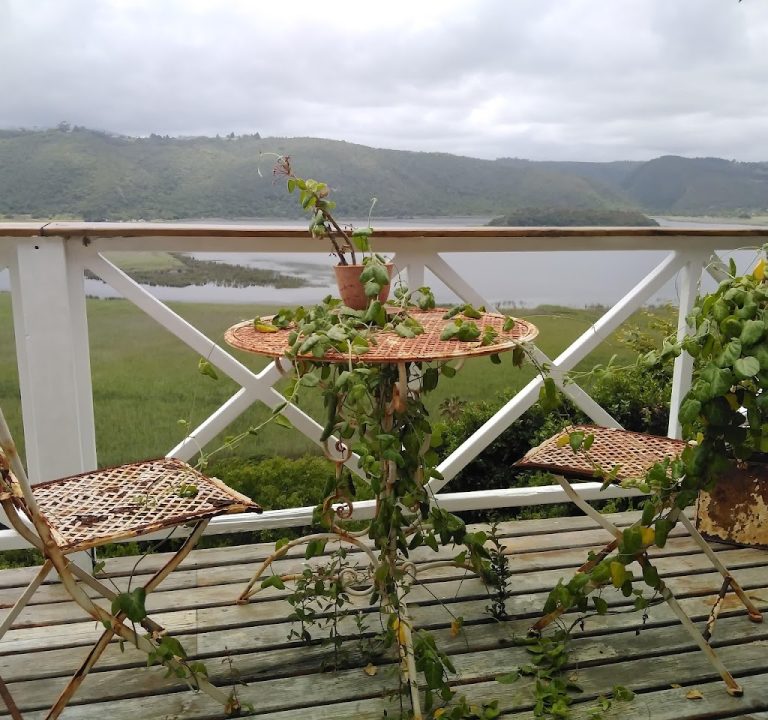
Typical amenities to look for when booking self-catering or boutique accommodation include a well-equipped kitchen or kitchenette, reliable Wi-Fi, secure parking, and outdoor living spaces such as decks or braai areas that let you enjoy the coastal climate. Many properties in Wilderness feature private gardens, verandas or forest-facing balconies, which are ideal for early-morning birdwatching or evening stargazing. If you are travelling with family or a group, check whether the property offers multiple bedrooms, an open-plan living area, or laundry facilities, as these can save time and add comfort to longer stays.
Transport planning in Wilderness usually centres on self-drive holidays. It’s common for guests to arrive by car at their accommodation and then use a vehicle for day trips along the coast and into the surrounding forests. If you prefer not to drive, consider arranging transfers with your host or a local driver for days out to national parks, trailheads or nearby towns. Some guests appreciate being close to a local bus route or cycle-friendly lanes, but the area is most easily explored with your own transport, particularly for early starts to coastal hikes or forest excursions.
The best time to visit Wilderness depends on your interests. Summer (roughly November to February) brings reliable beach weather and longer days for watersports, swimming and picnics by the shore. Autumn and spring are excellent for hiking and birdwatching, with milder temperatures and quieter trails. Winter brings cooler air and the chance to see seasonal wildlife along the river and in the forests; it can also be calmer in the village, offering a peaceful base for slower-paced days. If you are hoping to see marine life or participate in water-based activities, check the local forecast and tide times, as conditions can change quickly along the coast.
When planning a stay, think about combining accommodation types to maximise value and variety. A couple of nights in a self-catering base near the coast can be followed by a forest-facing retreat a short drive away, allowing you to wake to birdsong and shade on alternate days. Many visitors also organise day trips to nearby nature reserves, lookout points and beaches, then return to Wilderness for evenings at a relaxed venue with outdoor seating and simple, seasonal menus.
Practical tips to help you plan
- Book early for peak seasons and holiday weekends, as Wilderness is a popular gateway for garden-route explorers.
- Check cancellation policies and consider travel insurance that covers weather-related changes in coastal regions.
- Verify the kitchen facilities if you plan to self-cater extensively, and confirm Wi-Fi speed if you need reliable remote work or streaming.
- Pack varied clothing and footwear suitable for coastal walks, forest trails and potential sea breezes; mornings and evenings can be cooler near the water.
- Ask your host about local eateries, farmers markets and seasonal produce to tailor your meals and day trips.
As for activities, Wilderness offers a breadth of nature-based experiences without requiring long travels. Expect scenic coastal trails that thread through dunes and along the water’s edge, easy forest strolls suitable for most fitness levels, and opportunities to observe local birdlife and small mammals. On the water, you may find canoeing or kayaking along gentle rivers, with options that suit families and solo travellers alike. For those who enjoy a slower pace, days spent relaxing on a beach or exploring a rainforest-like stand of trees can be equally rewarding.
Where to eat and what to sample? Wilderness hosts a range of casual eateries that focus on fresh, seasonal produce and coastal flavours. Many establishments offer outdoor seating so you can enjoy the harbour breeze and views of the surrounding greenery. If you prefer a DIY approach, groceries and deli counters in the village typically provide ingredients for a relaxed meal at your accommodation. For larger meals or special occasions, ask hosts or local residents for recommendations that suit your tastes and budget.
For planning resources and broader inspiration, consult official tourism portals and regional guides. They provide practical information on transport links, seasonal events, and access to nature reserves and protected landscapes in the Western Cape. Useful starting points include the Western Cape government tourism pages and South Africa’s national travel site, which offer regional overviews, safety tips and travel planning resources.
In summary, Wilderness offers a balanced mix of coastal beauty, forest serenity and practical convenience for travellers seeking a self-catering base with access to nature and simple, friendly dining options. By choosing accommodation with the right mix of amenities, proximity to beaches and forest trails, and sensible transport arrangements, you can design a stay that is as relaxed or as adventure-filled as you wish.
For more information on regional tourism and travel planning, you can visit official resources at the Western Cape Tourism pages and South Africa Tourism portals. These guides can help you tailor your itinerary to fit the season, your interests and your preferred pace of travel.