Accommodating Bela-Bela: where to stay and how to plan your visit in Limpopo
Bela-Bela, often affectionately called “the hot springs town”, sits in the Limpopo Province of South Africa and is a convenient gateway to the Waterberg region. It offers a mix of comfortable lodge-style stays, self-catering units, and guesthouses, all set against a backdrop of savannah, mopane woodland and easy access to nature reserves. When planning a stay, consider both central Bela-Bela for convenience and quieter surrounding areas for a more immersive bush experience.
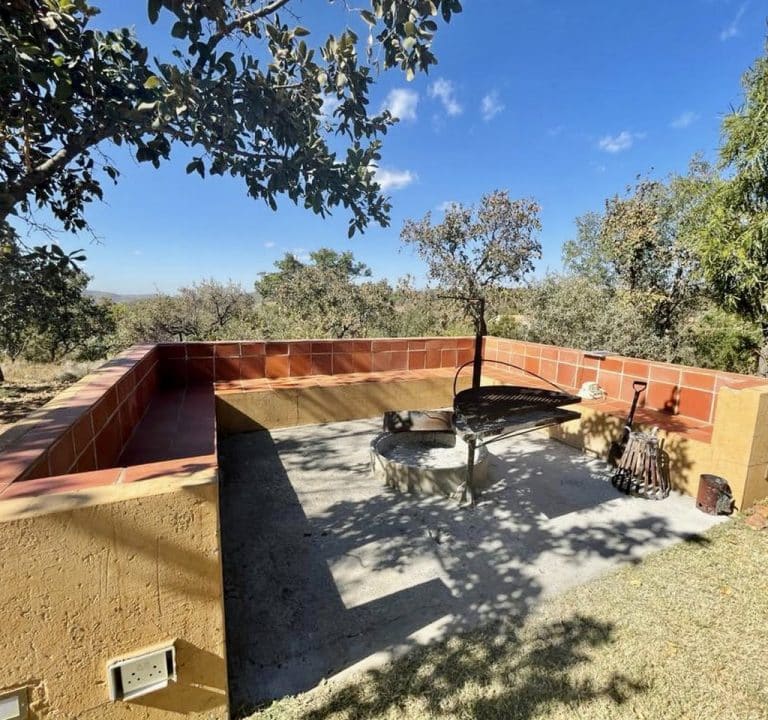
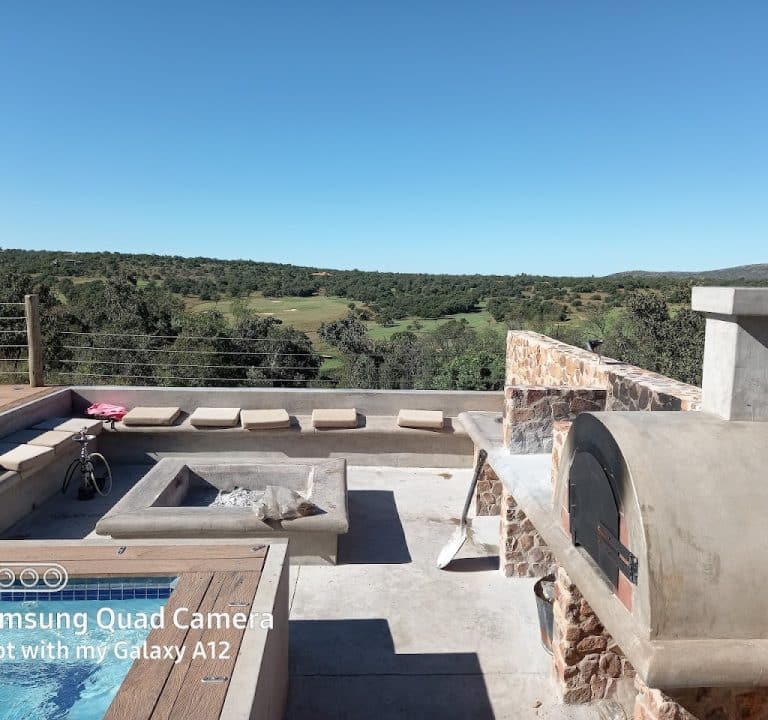
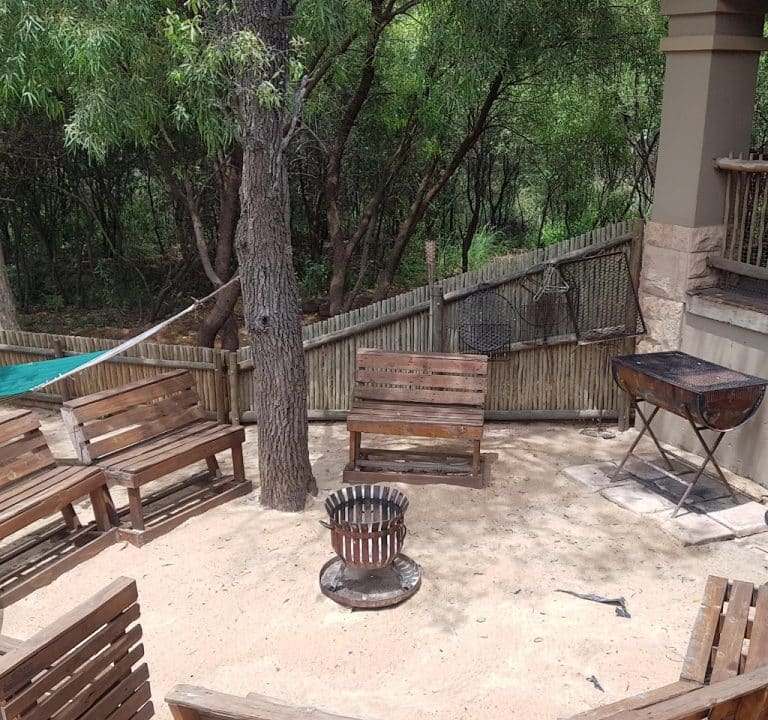
Accommodation in Bela-Bela ranges from traditional lodges with on-site dining and guided activities to self-contained units that suit families, groups or travellers seeking flexibility. Look for properties that clearly outline the type of experience you want—whether it’s a nature-focused break with daily game drives, a family-friendly stay with ample outdoor space, or a romantic retreat with privacy and access to outdoor Sundowners. Many lodges in the area promote an authentic bush atmosphere while still providing modern comforts such as private bathrooms, reliable hot water, heating or cooling, and secure parking.
Areas to consider include central Bela-Bela, which offers good access to the town’s amenities, banks, and markets, as well as lodges and guesthouses located on the edge of town that open up direct access to nature reserves and private game viewing opportunities. If you’re seeking a more secluded or wildlife-forward experience, look for lodges along the fringes of the main town or within nearby private reserves and conservancies. Proximity to the famous hot springs is a plus for relaxation after a day’s activities, though some travellers prefer quieter resets on larger properties a short drive away from town.
Typical amenities to look for include private verandahs or shaded outdoor seating, well-equipped kitchen facilities for self-catering stays, and dependable power supply with backup options, which can be important during seasonal outages. Air conditioning or ceiling fans are a practical comfort in the warm Limpopo climate. If you anticipate early starts for game drives or early access to attractions, ask about hospitality timings, early breakfast arrangements, and packed lunches. A reliable Wi‑Fi connection is useful for planning day trips and sharing updates with friends and family, though many guests also prioritise a digital detox in more secluded settings.
Transport is an important planning element. The town is usually reached by road, and a private vehicle is the most convenient way to move between accommodation, reserves, and dining options. If you are relying on public transport, verify the availability and schedule of transfers to and from your chosen lodge or guesthouse, and whether the property offers its own shuttle arrangements. For safaris and nature experiences, organised activities and guided drives can enhance your stay, but many visitors also enjoy self-guided walks or short drives to nearby viewpoints and trails.
The best time to visit Bela-Bela depends on your priorities. The dry winter months (roughly May through August) can be ideal for game viewing, as animals gather near water sources and vegetation is thinner. The hotter summer period (often November through February) brings warmer days and lush scenery after seasonal rains, but expect higher humidity and occasional afternoon showers. Shoulder seasons can offer balanced weather with comfortable daytime temperatures, fewer crowds, and often better value for accommodation. Outdoor activities such as hiking, birdwatching, and bush walks are available year-round, weather permitting, so packing layers and sun protection is wise all year.
Attractions in the area tend to centre on nature, relaxation, and authentic local experiences. Natural hot springs are a defining feature of Bela-Bela, offering a relaxing way to unwind after a day of excursions. Nearby nature reserves and game-viewing areas provide opportunities for guided or self-guided safaris, guided hikes, and birdwatching. Conservation-minded visitors may enjoy learning about the region’s flora and fauna, as well as the community-led efforts to protect habitats and wildlife corridors. For those seeking cultural insights, expect gentle, informative encounters with local communities and crafts, alongside culinary experiences that emphasise seasonal ingredients and local flavours.
Food and dining options in Bela-Bela range from lodge-based restaurants and hotel dining rooms to casual eateries and self-catering provisions at guesthouses. Many lodges offer restaurant facilities on-site or partner with nearby eateries to provide varied menus that highlight regional produce. When planning meals, consider a mix of fully catered experiences and self-catering flexibility—this can be especially convenient for families or groups with different dining schedules. If you have specific dietary needs, communicate them in advance and confirm what can be accommodated on site.
Practical tips for a smooth stay:
- Ask about early breakfast, packed lunches, and dinner arrangements if you plan early morning safaris or long day trips.
- Clarify power and water arrangements, particularly if you are visiting during the dry season or in reserve areas with limited services.
- Check the size and layout of your room or unit to ensure it suits your group, especially if you require space for children or extra beds.
- Confirm accessibility features if you have mobility considerations, and verify parking provisions at your accommodation.
- Bring appropriate clothing for hot days and cooler evenings, plus sturdy footwear for walks and short hikes.
Whether you are seeking a restful retreat close to thermal springs, a wildlife-focused escape, or a base for exploring the Waterberg and wider Limpopo countryside, Bela-Bela offers a range of suitable options. By prioritising your preferred area, desired level of seclusion, and essential amenities, you can plan a stay that balances comfort with the chance to experience the tranquil pace and natural beauty of this unique corner of South Africa. For planning ideas and bookings, you can explore lodge and guesthouse websites, as well as travel guides that highlight the region’s profile without making hard claims about awards or prices.