Accommodation and Experiences in Cape Town: Where to Stay and What to Do
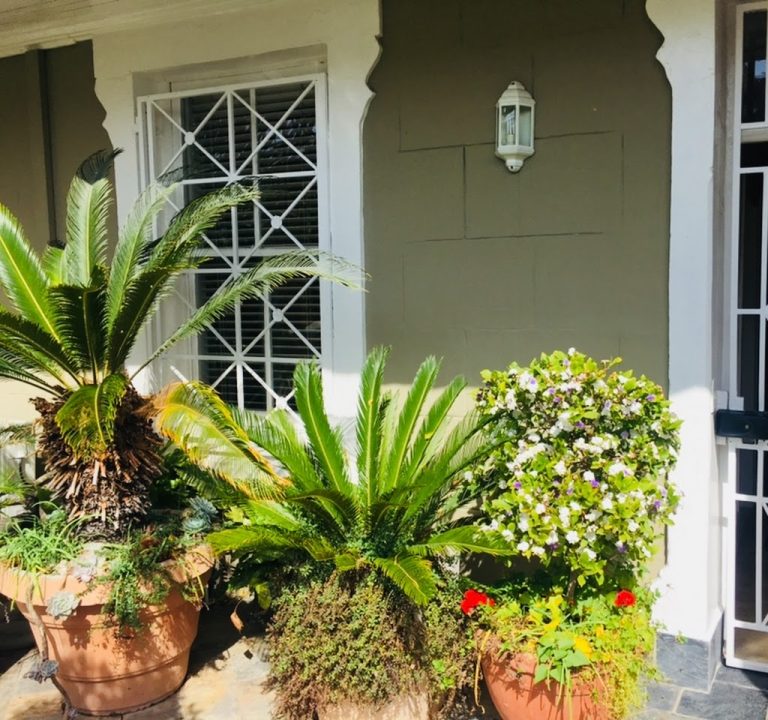
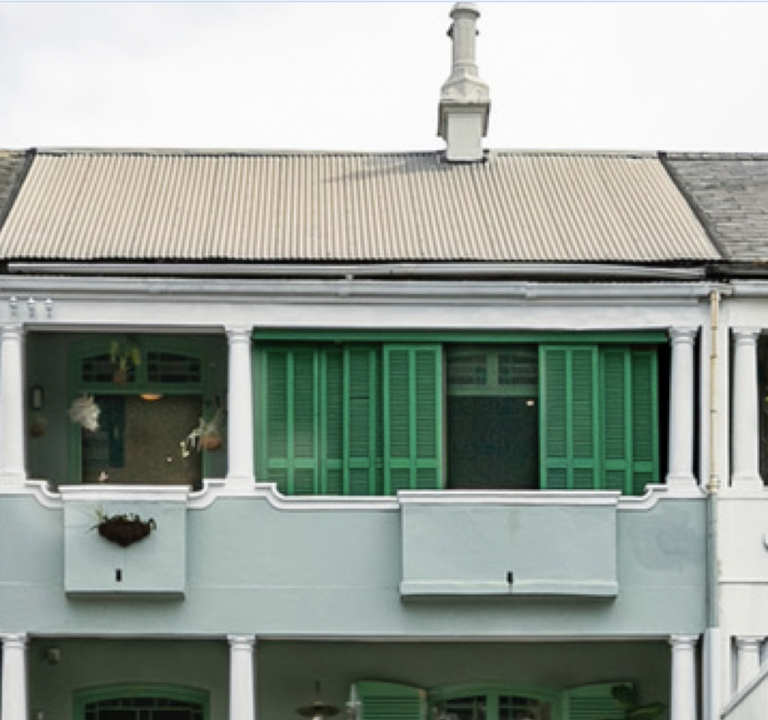
Cape Town offers a diverse tapestry of places to stay, from intimate guesthouses and boutique hotels to spacious lodges and modern apartments. Whether you prefer a coastal village feel along the Atlantic Seaboard, a leafy neighbourhood near City Bowl’s buzz, or a hillside retreat with sweeping views, planning ahead helps you maximise your stay. For visitors seeking a place that fits a relaxed pace and friendly hospitality, Gordon’s Guesthouse is an example of a traditional guesthouse experience that combines personal service with convenient access to many of the city’s highlights.
When choosing accommodation, consider the neighbourhoods and what you want to experience each day. The Atlantic Seaboard and Camps Bay offer beachside vibes, coastal walks, and easy access to slopes of the Twelve Apostles. The City Bowl (central Cape Town) keeps you close to restaurants, markets, museums, and nightlife. Constantia and the Southern Suburbs provide a quieter, residential atmosphere with wine estates nearby. Each area has its own rhythm, so think about transport needs, daylight hours for sightseeing, and whether you prioritise scenery, proximity to eateries, or easy connections to attractions.
Typical amenities that make a stay more comfortable include en-suite bathrooms, reliable wi‑fi, breakfast options, secure parking, and flexible check-in arrangements. Some guesthouses offer curated experiences such as guided walks, tastings at local wine estates, or recommendations for tailor-made day trips. If you value privacy, look for suites with separate entrances or self-catering facilities. For families or groups, consider apartment-style units with multiple bedrooms and a small kitchen. If you travel for business or longer stays, a quiet work area and good ventilation can be beneficial.
Transport in Cape Town is relief-focused: hilly streets, limited on-street parking in busy districts, and sometimes unpredictable traffic. Many visitors find a central base with easy access to MyCiTi buses or ride-hailing services most practical, while a rental car offers maximum flexibility for day trips along the coast or to the winelands. Proximity to reliable transport routes can save time and reduce fatigue after long days exploring Table Mountain, it is worth checking how far your accommodation is from a metro station or major bus stop.
The best time to visit Cape Town depends on your plans. Summer (November to February) delivers warm weather, long days for beach days and outdoor exploration, but it can be busy and pricier. Autumn (March to May) and spring (September to November) offer pleasant temperatures and generally fewer crowds, with spring bringing the city’s floral displays. Winter (June to August) brings cooler conditions and more rain, but also the chance to enjoy cosy cafés, museum days, and fewer queues at popular attractions. In every season, it is wise to book well in advance for popular areas and to consider a balanced itinerary that allows downtime at your guesthouse or hotel to recharge between outings.
For activities, Cape Town presents a lot beyond the obvious. You can plan gentle coastal walks with panoramic views, visits to the V&A Waterfront for markets and dining, and scenic drives along Chapman's Peak or Constantia’s wine routes. Cultural experiences, such as museum visits or neighbourhood walking tours, offer insight into the city’s diverse heritage. Dining in Cape Town ranges from casual eateries to refined tasting menus, with an emphasis on fresh seafood, grilled meats, and inventive contemporary cuisine. Rather than focusing on specific restaurant names, look for venues with good reviews, clear allergen information if needed, and options that suit your group’s appetites and budget. Always check opening hours and whether reservations are required, especially during peak seasons.
Gordon’s Guesthouse, as a representative example of lodging in Cape Town, typically offers a warm welcome, a home-from-home atmosphere, and a practical base from which to explore. When booking, consider whether you prefer a guesthouse with a garden to relax in, a shared lounge for socialising with other travellers, or a private terrace for your own downtime. In addition to room facilities, look for thoughtful touches such as easy luggage storage, proximity to popular routes, and clear guidance from hosts on local transport options and day-trip ideas. If a restaurant or bar on-site or nearby is important, verify whether breakfast is included or if there are nearby options within a short stroll.
Practical tips to help you plan your stay:
- Define your priorities: proximity to coastal scenery, city sights, or wine estates, and factor it into your choice of neighbourhood.
- Check transport options and whether the property offers airport transfers or shuttle services to key locations.
- Read recent guest reviews with attention to consistency in cleanliness, quiet hours, and responsiveness of hosts or managers.
- Assess the value of included meals, parking, and access to outdoor spaces, especially if you anticipate long days outdoors.
- Prepare for variable weather by packing a light rain jacket and layers suitable for coastal winds.
Ultimately, a well-chosen base in Cape Town serves as a gateway to extraordinary experiences. By weighing neighbourhood character, amenities, and transport links, you can craft a stay that feels both indulgent and practical. From your lodging to the days spent exploring iconic viewpoints, markets, and dining rooms, the city rewards visitors who plan with flexibility and curiosity. For more inspiration and practical planning, official tourism resources offer insights into seasonal events, suggested itineraries, and up-to-date travel guidance related to Cape Town and the Western Cape.