Accommodation and Experiences in East London, Eastern Cape: Planning Your Stay
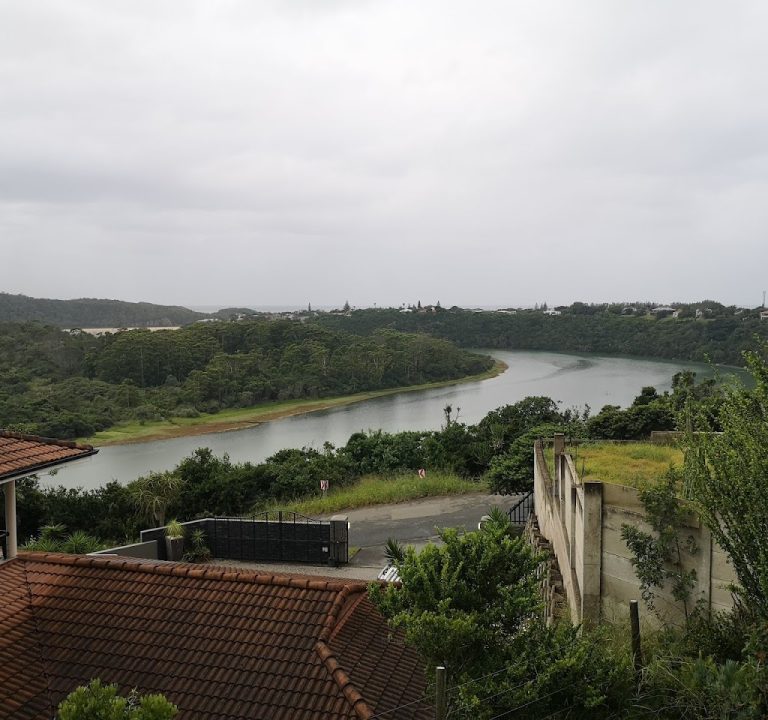
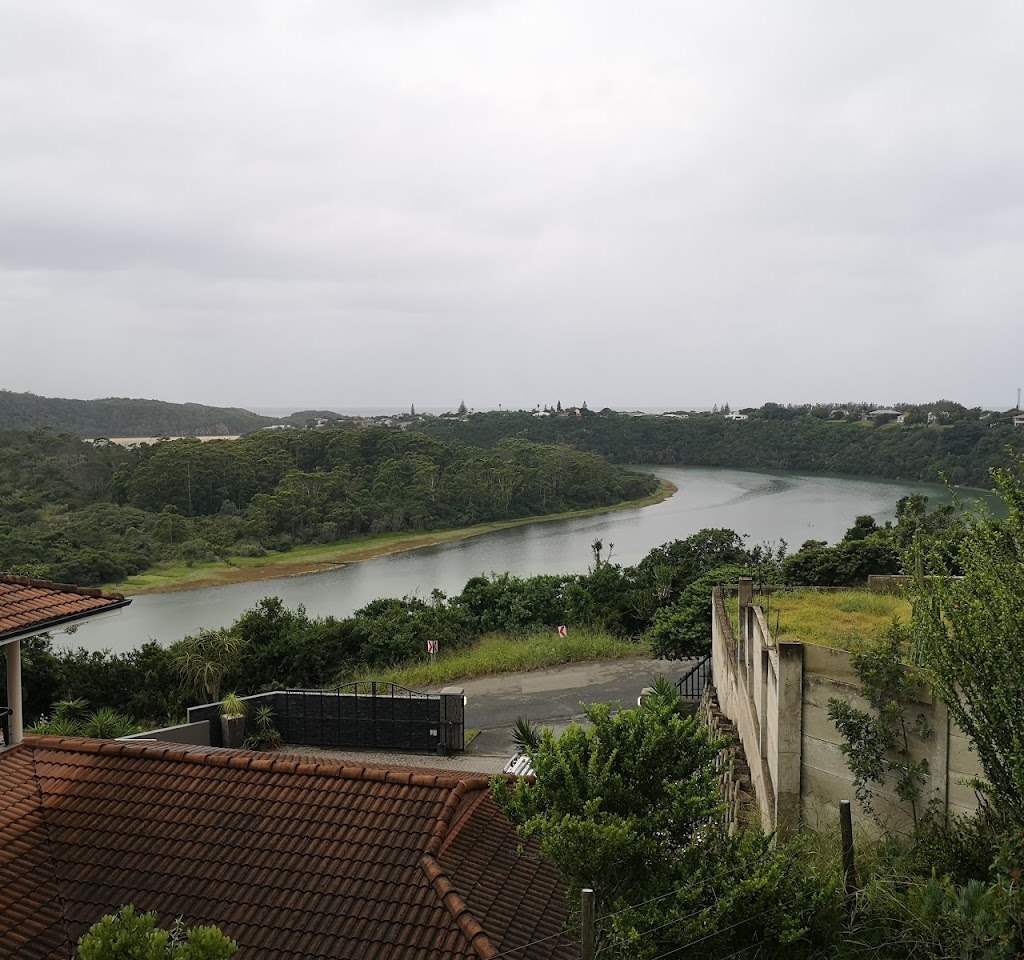
East London in the Eastern Cape offers a friendly mix of coastal charm and inland scenery, making it a rewarding base for a short break or a longer stay. When planning where to stay, consider the different neighbourhoods and their unique character. The beachfront suburbs are popular for easy access to the sea and relaxed pace, while inland pockets near parks and river wetlands provide quieter retreats and opportunities for day trips. Lodges, guesthouses, and BnB-style stays like Gonubie Summit Guesthouse offer personalised experiences that can feel more like a home away from home than a standard hotel room.
Areas to consider include the coastal strip, where you’ll find long sandy beaches, surf-friendly breaks, and promenades that come alive in warm weather. Gonubie, a short drive from East London’s city centre, often appeals to visitors seeking a laid-back atmosphere, sweeping views, and proximity to both the coast and natural reserves. If you prefer a more central hub with dining and nightlife options, the central business district and surrounding neighbourhoods provide convenient access to attractions, transport links, and day trips to the coast or riverside trails. For families and water-sport enthusiasts, accommodation near beaches and nature reserves can minimise travel time and maximise your time outdoors.
What to look for when booking depends on your style of travel. If you want a warm, homely atmosphere, look for guesthouses or lodges that emphasise personal touches: a recommended breakfast, comfortable communal areas, and hosts who can share local tips. If you’re self-catering or travelling with a group, check for self-contained units or rooms with kitchen access. For those who value quiet nights and security, verify parking arrangements, gate access, and information on security features. Accessibility is another practical consideration; read descriptions carefully if you have mobility needs, and consider proximity to major routes and public transport. Reviews can reveal consistency in cleanliness, reliability of Wi‑Fi, and how responsive hosts are to guest requests.
Amenities commonly found in lodging across East London include free Wi‑Fi, private or en-suite bathrooms, heating or air conditioning, secure parking, and a shared lounge or dining area. In coastal areas, you may find features such as outdoor seating with sea views, balconies, or verandas, and sometimes braai (barbecue) facilities for casual dining. Laundry facilities, continental or full breakfasts, and guidance on local eateries are often highlighted by hosts as value-adds. If you’re travelling with a vehicle, confirm whether there is on-site parking and whether it is covered or open-air, as this can influence your comfort level and safety concerns during your stay.
Transport in East London is straightforward but planning ahead saves time. The city has a small international airport with regional connections, and a network of roads linking suburbs and nearby coastal towns. Renting a car is a flexible option for exploring beaches, nature reserves, markets, and day trips to nearby towns. Taxis and ride-hailing services are generally available, though at peak times they can be in high demand. If you prefer not to drive, many guesthouses and lodges offer suggestions for local tours, walking routes, and transfers to popular sites. For longer explorations, consider a day trip to riverside trails, wildlife reserves, or the nearby Mthatha or Coffee Bay region, depending on your itinerary and travel pace.
The best time to visit East London is shaped by weather and activities. Summer months bring warm, sunny days ideal for beach outings and water sports, while spring and autumn offer milder temperatures and fewer crowds. Winter tends to be cooler and a good season for inland sightseeing, birdwatching, and enjoying hearty meals indoors. If you’re aiming to catch events or markets, check the local calendars in advance, as many venues host seasonal fairs, food stalls, and crafts showcases that showcase regional produce and artisan skills.
When it comes to planning an itinerary, balance your days between relaxation and exploration. Allocate mornings to beach walks, river trails, or a stroll through a local park, followed by a relaxed lunch at a café or restaurant that emphasises fresh, regional ingredients. In the afternoons, pair a cultural or historic visit—such as a museum or colonial-era architecture walk—with a riverside or coastal drive that allows you to stop at viewpoints and small beach coves. For dining, East London offers a range of options from casual bistros to family-run eateries that specialise in seafood, grilled fare, and hearty South African favourites. A casual evening at a guesthouse or lodge with a communal dining area can be a pleasant way to compare notes with fellow travellers and share tips on hidden spots nearby.
- Look for accommodation with clear, digital booking confirmation and transparent cancellation policies.
- Check the proximity to beaches, trails, and gates to nature reserves to maximise daily activities.
- Read guest reviews for notes on cleanliness, breakfast quality, and host responsiveness.
- Confirm parking arrangements and security features if you’re travelling by car.
- Ask hosts for recommendations on local eateries, markets, and off-the-beaten-path viewpoints.
In sum, East London provides a welcoming range of lodging options suited to various travel styles, from coast-hugging guesthouses to comfortable lodges like Gonubie Summit Guesthouse. With thoughtful planning—considering area, amenities, transport, and a flexible itinerary—you can enjoy both the sea breezes and the inland charms of this part of the Eastern Cape, making the most of a stay that feels relaxed, colourful, and distinctly South African.