Exploring Pretoria: Accommodation, Attractions and Practical Tips
Pretoria, the administrative capital of South Africa, blends leafy streets with dynamic urban life, making it an appealing base for visitors exploring Gauteng. When planning a stay, consider choosing a neighbourhood that aligns with your interests—whether you favour heritage architecture, easy access to museums, or a quieter residential feel close to nature. Pretoria’s accommodation ranges from stylish guesthouses and self‑catering units to secure residential complexes and boutique hotels, so you can tailor your stay to both budget and style.
When selecting where to stay, think about accessibility to major sights and transport links. Central areas such as the city corridors around the administrative precinct offer convenient access to government buildings, parks, and historic sites, while suburbs like Hatfield and Brooklyn draw travellers for their vibrant dining scenes and universities. For a more peaceful retreat, look to upmarket precincts with tree-lined avenues and secure parking. If you’re renting a self‑catering unit or a serviced apartment, a well-equipped kitchen and dependable Wi‑Fi will be high on the list of priorities for travellers who prefer to dine in after a day out.
Typical amenities to expect in well‑presented Pretoria accommodation include en-suite bathrooms, comfortable bedding, and climate control to cope with the mild winters and warm summers. Many properties offer complimentary on-site parking, 24‑hour security, and access to communal facilities such as a garden, swimming pool, or gym. If you’re travelling for business or longer stays, seek options with workspaces, blackout curtains, and reliable mobile network coverage. For families or groups, self‑contained suites with kitchenettes or full kitchens are particularly convenient.
Transport in Pretoria is well supported by a network of roads, minibuses, and rail connections. If you’re driving, check whether your accommodation provides on-site parking or secure bays. Public transport is available, including national rail services and local buses, but planning is essential to avoid peak‑hour congestion. Some visitors prefer to arrange private transfers or car hire for flexibility, especially when planning day trips outside the city centre to nature reserves and historical sites. When you arrive, a light plan for your stay—mapping out a couple of sights per day and noting down practical travel times—helps you make the most of your visit without rushing.
Best time to visit Pretoria tends to be spring (September to November) and autumn (March to May), when temperatures are comfortable and outdoor spaces around botanical gardens and parks are particularly inviting. Summer brings warmer weather and the possibility of late afternoon thundershowers, while winter is generally dry and cool, a pleasant time for museum visits and indoor dining. If you’re aiming to catch festivals or open-air markets, keep an eye on street events that may frame your days with local music, crafts, and seasonal flavours.
Attractions in and around Pretoria offer a mix of culture, history, and nature. Iconic spots include grand public buildings and gardens that reflect the city’s status as a capital, plus museums and memorials dedicated to South Africa’s diverse past. Outdoor lovers can explore botanical gardens, nature reserves, and shaded trails that offer easy walks suitable for all ages. For a broader sense of the region, day trips to nearby towns and parks can complement an urban stay with landscapes and historical sites worth exploring at a relaxed pace.
Restaurants in Pretoria run the gamut from contemporary bistros to traditional eateries, with options ranging from modern South African cuisine to international dishes. Many neighbourhoods offer a mix of casual cafés, family‑run diners, and more formal establishments, often set within stylish guesthouses or boutique hotels. When planning meals, you may find that some areas concentrate a cluster of eateries along a single street or square, making an evening stroll a pleasant way to sample several venues. It’s common to encounter venues with seasonal menus that highlight local produce and regional flavours.
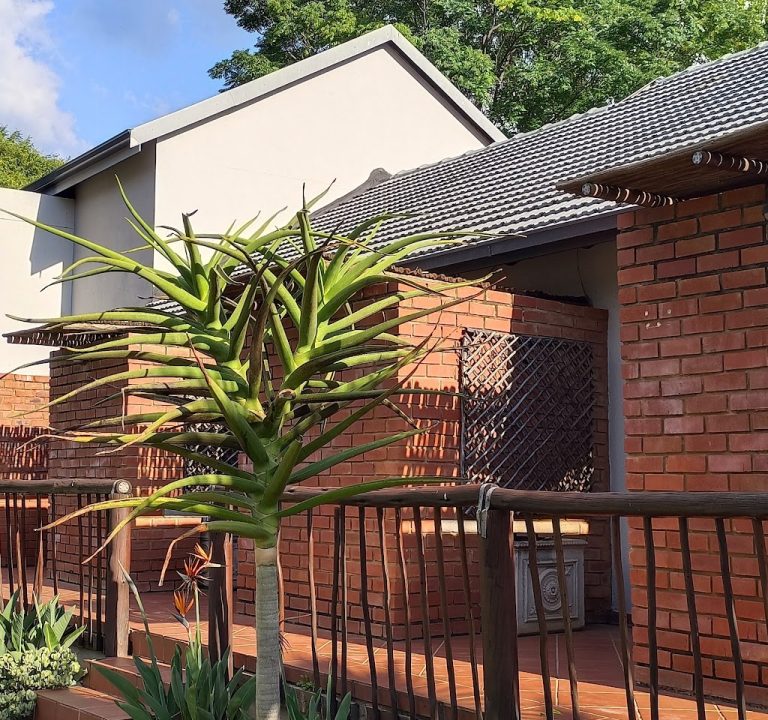
Accommodation around Glenwood Estate and similar residential enclaves can provide a calm retreat while keeping you within reach of central Pretoria’s sights. If you’re staying in a housing complex or secure residential development, pay attention to guest policy and access arrangements, ensuring you understand how to enter and exit the property, any guest limits, and how to obtain assistance if needed. Self-catering options and serviced suites within such complexes are often well‑equipped for longer stays, with flexibility for different arrival times and easy access to common facilities.
Practical tips for planning a stay in Pretoria:
- Choose a location based on your interests: central government precincts for culture and proximity to sights, or leafy suburbs for a quieter stay and dining options nearby.
- Check what amenities are essential for you: reliable Wi‑Fi, a kitchenette or full kitchen, parking, and easy access to transport links.
- Assess accessibility and safety: look for 24‑hour security, well‑lit streets, and clear entry procedures if you’re staying in a gated complex or boutique property.
- Plan day trips with travel time in mind, allowing for peak traffic and weather variations that can affect outdoor activities.
- Book with flexibility where possible, especially for longer stays or properties with self‑catering facilities.
For those seeking balanced experiences, Pretoria offers a blend of easy city access and the calm of well‑appointed accommodation. By choosing a neighbourhood that fits your pace, confirming the essentials in your booking, and planning a flexible itinerary, you can enjoy a comfortable stay while discovering the diverse layers of Gauteng’s capital.