Choosing a Stay in Cape Town: Where to Stay, What to Do, and How to Plan
Cape Town combines stunning natural scenery with vibrant neighbourhoods, making it one of the most appealing bases for travellers to the Western Cape. From stylish city stays to coastal inns and hillside lodges, the right accommodation sets the tone for your visit. When planning a stay, consider your priorities—views, proximity to activities, budget, and the pace you want to set for your days. A well-chosen base can cut transit time, unlock convenient dining, and place you close to iconic landmarks or hidden local favourites.
Areas to consider include the historic heart of the city and the bustling V&A Waterfront, which offer a range of guesthouses, boutique hotels and serviced apartments with easy access to transport links and lively dining scenes. The Atlantic Seaboard and Camps Bay provide chic beaches, sunset views, and a higher-end vibe, while the Constantia valley region offers country-house charm and proximity to wine estates. For a colourful cultural experience, the Bo-Kaap area provides proximity to museums, markets and winding lanes, blending history with modern cafés and restaurants. For a slower pace and sweeping coastal scenery, towns along the False Bay side and the retreats around Noordhoek and Simon’s Town are ideal.
When booking, look for a comfortable bed and private bathroom, a reliable breakfast offering, and a sense of safety in the neighbourhood. Check whether the property has off-street parking if you’re driving, or easy access to public transport if you’ll rely on buses or rideshare. Clear cancellation policies and transparent pricing matter, especially in busy seasons. If Wi‑Fi is essential for work or planning, verify that connectivity is reliable in the rooms you’ll use. A guesthouse or B&B that includes thoughtful touches—like a well-equipped kitchenette, luggage storage, or a communal lounge—can enhance longer stays.
Typical amenities to expect include: en-suite bathrooms, daily housekeeping, a hearty breakfast with regional options, free and reliable Wi‑Fi, air conditioning or fans for summer heat, secure parking, and guidance on local sights and restaurant recommendations. Many properties in Cape Town offer spectacular views, particularly near the coastline or on higher ground, so ask about a room with a balcony or terrace if desired. If you need mobility-friendly access, confirm the layout and any stairs or ramps in advance.
Transport can shape your itinerary as much as the sights themselves. The MyCiTi bus network covers central areas and beaches, but Uber and other ride-hailing services are also widely used for convenience and safety. If you plan day trips to the Cape Winelands, Cape Point, or Hermanus, a car may offer flexibility, while some guesthouses organise guided tours or provide shuttle options. For a seamless experience, choose a base with straightforward access to main roads and taxi services, and consider your safety preferences when staying out late in busy districts.
The best time to visit Cape Town blends weather, crowds and outdoor activities. December to February brings warm, dry days ideal for beaches and outdoor adventures, but it is peak tourist season, so expect larger crowds and higher rates. Spring (September and October) and autumn (March to May) offer milder temperatures and quieter streets, making it a pleasant choice for exploring Table Mountain, Kirstenbosch and the Cape Peninsula. Winter (June to August) tends to be cooler and wetter, but urban cafés and restaurants remain lively, with lower rates and fewer crowds. Pack layered clothing to adapt to changing conditions, and always bring sun protection for long mountain excursions and coastal days.
While in Cape Town, plan a mix of natural beauty, heritage, and culinary experiences. Iconic experiences include a cable car ascent to a plateau above the city, guided tours to Robben Island, and visits to the Cape Peninsula’s coastal scenery. In the wine country, you’ll find serene estates offering tastings and light meals, and in the city’s neighbourhoods, markets, galleries and fusion restaurants showcase the region’s diverse culture. For a balanced itinerary, pair outdoor mornings with relaxed afternoons in nearby dining districts, followed by sunset strolls along the beaches or harbourfront.
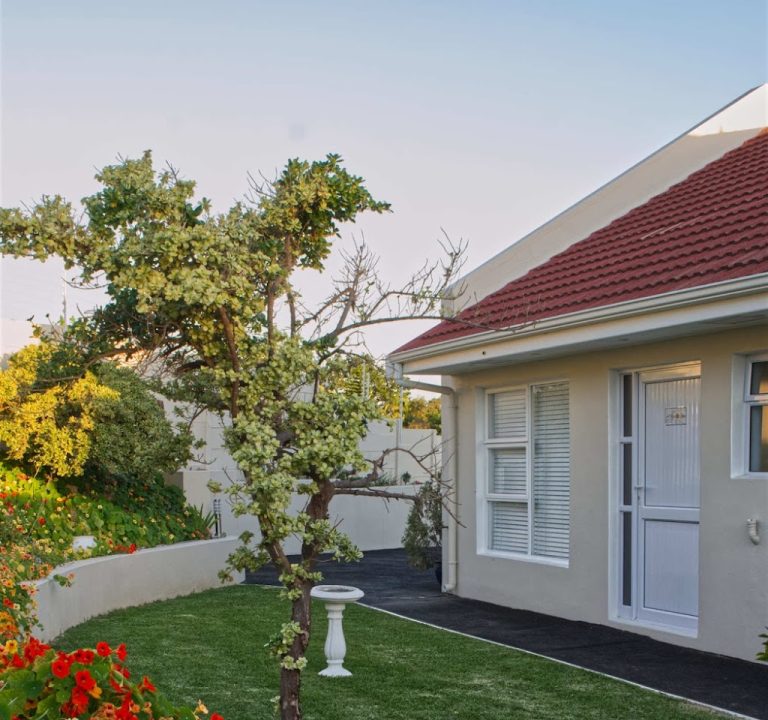
If you’re considering a stay at Glennies B and B, a well-located option within the B&B category, you can expect a warm, personalised approach to your visit (details and availability can be found on the property’s website). Booking a waterfront-facing room or a calm garden-facing room can influence your daily routine—whether you rise early for a sunrise over the Atlantic or linger over breakfast before a day of exploration. For inspiration and planning, you may wish to browse a range of Cape Town accommodation types, from intimate guesthouses to contemporary boutique hotels, and compare how each location aligns with your interests and pace.
Practical planning tips at a glance:
- Choose a base aligned with your priorities: beaches and nightlife, historic city core, or tranquil wine country.
- Check access to parking or reliable transport, especially if you plan day trips.
- Verify breakfast options and any included meals to manage costs.
- Ask about level of service, housekeeping frequency, and luggage storage if you have early arrivals or late departures.
- Book in advance for peak seasons and reserve tables at popular dining venues early.
For more information on accommodation and planning, visit individual property websites and regional tourism guides. Cape Town rewards careful planning with memorable stays, remarkable scenery and a hospitality scene that highlights South Africa’s warm welcome. Whether you choose a cosy B&B such as Glennies B and B or a stylish boutique hotel, a well-chosen base will help you weave together a refreshed itinerary of markets, museums, beaches and bistro dining that captures the very best of the Western Cape.