Staying in Franschhoek: accommodation, dining and activities to plan your visit
Franschhoek, nestled in the Western Cape’s valley surrounded by dramatic mountains, is a crisp mix of refined hospitality and rural charm. When planning a stay, consider how you want to experience the village centre, the surrounding wine route, and the quieter hillside pockets that offer sweeping views and a slower pace. The town’s lodging scene ranges from characterful inns and cosy guesthouses to boutique lodges and self‑catering cottages, all with a strong emphasis on comfort, accessibility and a warm welcome.
Accommodation in Franschhoek tends to cluster in a few distinct areas. The village core is compact and walkable, ideal for guests who prefer to stroll to award‑winning restaurants, art galleries and tasting rooms. For those seeking tranquil mornings with garden or vineyard vistas, lodges and guesthouses set on the valley floor or higher up on slopes can deliver a sense of retreat while still offering easy access to shops and eateries. If you are visiting with family or a group, a self‑catering option or a boutique lodge with multiple suites can provide privacy alongside shared social spaces.
When choosing where to stay, think about transport, silence factors and accessibility. If you plan to spend long days visiting nearby estates or hillsides, a base closer to the outskirts of Franschhoek may reduce traffic and parking constraints in peak times. For a more central experience, look for properties with easy access to the main square, with the benefit of being able to explore on foot in the evenings. Check whether your accommodation offers secure parking, on‑site dining options, and facilities such as heated rooms for winter visits or outdoor pools for warmer months. Some properties prioritise sustainability, offering energy‑efficient lighting, water saving measures and locally sourced breakfast ingredients, which can appeal to environmentally minded travellers.
Typical amenities you may encounter include air‑conditioning or heating, free Wi‑Fi, private balconies or patios, and well‑ equipped kitchens or tea and coffee provisions. Many places in Franschhoek provide stylish interiors that blend contemporary design with country style, using natural materials and calm colour palettes. Breakfast is a standout feature for many inns and guesthouses, ranging from light continental options to full cooked offerings that showcase regional produce. If a culinary focus is important to you, look for properties with in‑house dining experiences or close proximity to the village’s dining scene, where guests often secure reservations for longstanding local favourites.
Getting around Franschhoek and the wider winelands is straightforward with a car, and many visitors find it convenient to use a car‑sharing or private transfer service for evenings out. Within the village, walking is pleasant and safe, and some hotels arrange guided tours or wine tastings that can be booked in advance. If you prefer not to drive, check whether your accommodation can help you organise a reputable driver or shuttle. The surrounding wine estates typically require a short drive, and some may have tasting venues that welcome guests with a prearranged visit time. A subscription to a local map or a simple plan for your days can help you cover vineyards, hillside viewpoints and fine dining without feeling rushed.
Best time to visit Franschhoek is shaped by weather, harvests and events. Spring and autumn bring milder temperatures and vibrant scenery, which suits outdoor explorations, dining al fresco and wine tasting. Summer is lively, with longer days and blossoming garden borders, but can be busier around peak holiday periods. Winter offers a quiet, intimate atmosphere in many guesthouses and lodges, with cosy fireplaces and slower vineyard cycles. Regardless of season, it’s wise to book accommodation well in advance for weekends and around major harvest periods, when availability can be limited and rates may peak.
Among the practical tips, plan your daily programme with some flexibility. The Franschhoek valley rewards slow travel: take time to pause at viewpoints, linger over a glass of wine at a vineyard terrace, and enjoy the village’s art and craft shops. Make restaurant reservations in advance where possible, since popular spots can book out, especially on weekends. For a balanced itinerary, mix winery visits with cultural stops such as galleries, historic sites, and markets. If you are staying in a lodging with a kitchen, you can also plan some home‑cooked meals using local produce from markets or farm shops, which is a lovely way to experience rural South Africa at a relaxed pace.
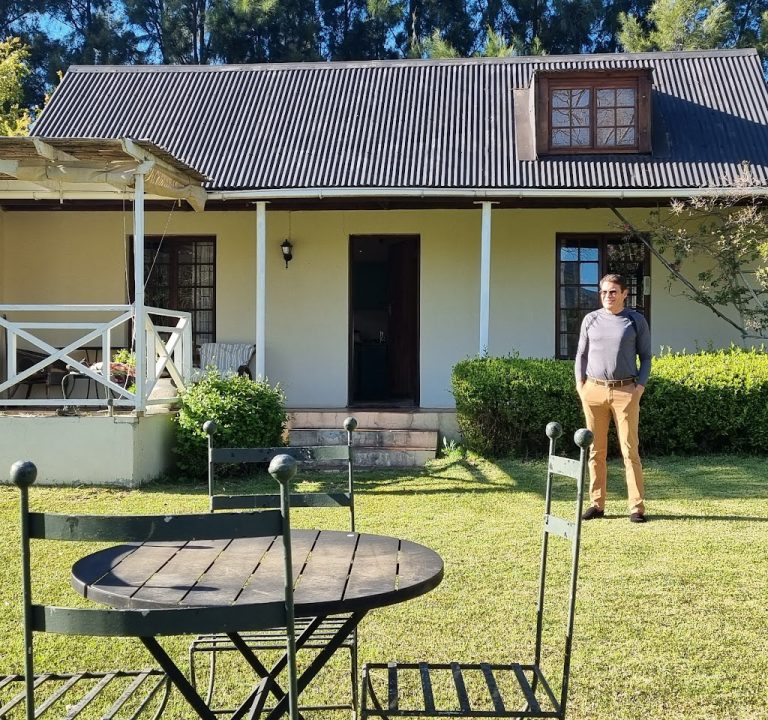
Notable places to consider for your stay include a range of lodging styles, from intimate guesthouses to larger boutique properties. One accommodation option that travellers often mention for its character and setting is a lodgings establishment positioned in Franschhoek’s heartland, offering easy access to wine tastings, eateries and scenic routes. For more information about this kind of stay, you can visit the property’s official site, which provides details on room types, amenities and booking policies.
To help plan your stay, here is a quick checklist of considerations:
- Location within Franschhoek and proximity to the main square, wine estates and dining venues
- Room type, privacy, and the option for private outdoor spaces or terraces
- Included meals and options for self‑catering or kitchen facilities
- Transportation needs, parking availability and access to local transfers
- Seasonal considerations, crowd levels and advance booking recommendations
Finally, if you are seeking a place to start your search, consider a lodging option such as the one described above, which combines comfortable rooms, a strong sense of place, and easy access to Franschhoek’s celebrated attractions. For more information on a specific property, including booking details and guest services, you can visit the official website provided. With thoughtful planning, Franschhoek makes for a memorable stay where gastronomy, wine, scenery and hospitality come together in a timeless valley experience.