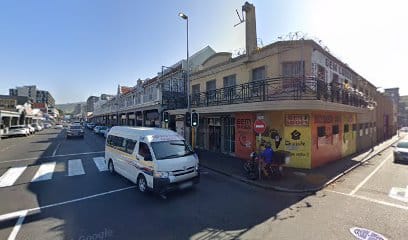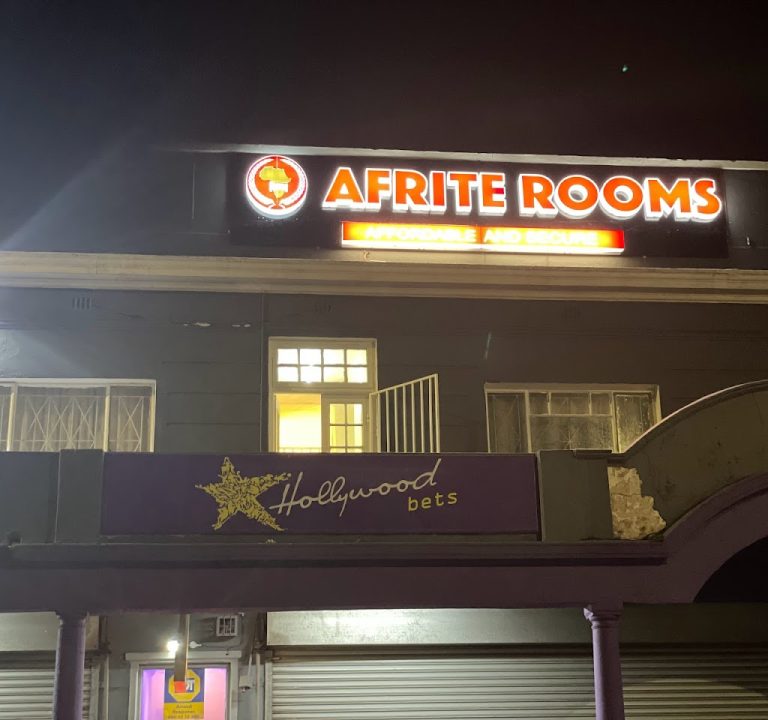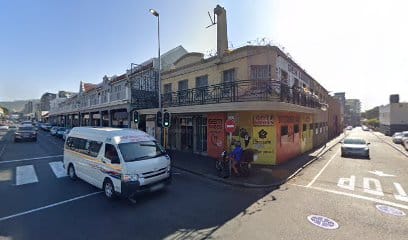
Gem Lodge is a Indoor lodging establishment in Cape Town, Western Cape, South Africa
About Gem Lodge, Cape Town
Gem Lodge situates itself in Cape Town, within the Western Cape of South Africa, offering a self‑catering stay that appeals to travellers seeking flexibility and independence during their time in the city. The property is presented as a practical option for those who prefer to organise meals and daily routines around their own schedule, rather than conform to fixed hotel dining times. While specifics about room types and on‑site layout are not stated here, the emphasis remains on comfortable, self‑contained accommodation designed to suit short breaks as well as longer visits.
As a self‑catering option, Gem Lodge aims to provide a streamlined experience that puts guests in control of their days. Guests can expect a setting that supports independent living, with the essentials needed for preparing meals and relaxing after days spent exploring Cape Town’s diverse neighbourhoods and natural surroundings. The property’s self‑contained approach makes it a convenient base for travellers who value privacy and the freedom to tailor stays to personal preferences, whether that involves leisurely mornings, al fresco breakfasts, or late‑night snacks.
Gem Lodge can be seen as fitting for a range of travellers who prioritise flexibility. It may suit families seeking space and autonomy, workcations where a comfortable, adaptable environment is required, and couples or friends who appreciate a home‑like atmosphere during a city break. Without relying on fixed meal plans or rigid schedules, guests have the freedom to craft itineraries that align with local discoveries, whether those involve food markets, cultural experiences, or hillside strolls that are characteristic of Cape Town’s vibrant scene.
hospitality considerations at Gem Lodge appear to focus on practical convenience. For guests preferring a stay that mirrors a home‑away‑from‑home experience, the self‑catering model offers a straightforward way to manage daily routines. The setting is positioned to support ease of access, with the possibility of amenities that enable independent meal preparation, comfortable living spaces, and a private environment suitable for downtime after busy days in the city. While exact facilities are not itemised here, the concept remains aligned with travellers who value simplicity, privacy, and the ability to tailor accommodation to individual needs.
Potential guests are encouraged to learn more through the official property page, which provides the primary source of information about Gem Lodge’s offering. The site should offer practical details such as how to book, the terms and conditions, and any updates to facilities or policies. Visitors can navigate to the property’s online presence for the latest specifics and to explore the booking process, pricing windows, and any seasonal variations that may affect stay duration or value. For those planning a Cape Town itinerary, a self‑catering option like Gem Lodge can complement a day spent exploring local markets, beachside scenery, and the city’s iconic landmarks, all while containing costs and maintaining the freedom to eat and rest on one’s own timetable.
Nearby highlights and experiences in Cape Town are a key consideration for guests, though precise attractions in close proximity to Gem Lodge are not detailed here. Cape Town’s appeal typically includes a mix of natural wonders, urban culture, and easy access to surrounding coastlines and mountains. A stay at a self‑catering property can be an ideal launch point for morning hikes, afternoon exploration of neighbourhoods, and evenings that unfold at personal pace. The balance of urban convenience and access to outdoor spaces often appeals to travellers who want the option to pause in comfort before venturing back into the city’s many offerings.
Booking and travel tips for Gem Lodge emphasise consulting the official website for up‑to‑date information. Prospective guests should review exact room configurations, kitchen facilities, and any on‑site services that support independence during the stay. Reading through the terms, cancellation policies, and any house rules will help ensure a smooth arrival and stay. For those planning transport, proximity to public transit routes or major thoroughfares can influence convenience when moving around Cape Town. While precise neighbourhood details are not specified here, a self‑catering base remains a flexible choice for travellers who wish to structure days around personal schedules and customised itineraries, rather than fixed dining or activity times.
For more information and to initiate bookings, interested travellers can visit the Gem Lodge page via the site’s link. The online presence serves as the primary source for reservations, policy clarifications, and any updates about the accommodation’s layout or offered facilities. By prioritising a self‑catering experience, Gem Lodge presents a practical option for visitors who value autonomy, comfort, and the opportunity to tailor Cape Town stays to individual interests and rhythms.
Cape Town
Western Cape
7925
South Africa
Where to stay and what to do in Cape Town: a practical guide for planning your break
Nestled between the Atlantic and the surrounding winelands, Cape Town offers a compelling mix of city culture, mountain scenery and coastal charm. When choosing accommodation, consider not only price and style but also access to transport, distance to the main sights and how daily routines will fit with your plans. A well-sited base can turn a short stay into a seamless exploration of the Western Cape’s highlights, from beaches to vineyards to iconic viewpoints.
For a convenient self-catering option with a quiet neighbourhood feel, Gem Lodge provides an example of indoor lodging that can suit varied itineraries. Based in a location with easy access to major routes and public transport, such a stay can offer independence while still being within reach of the city’s main attractions. See the property’s official page for details about facilities and how it fits into an extended stay in Cape Town: https://www.africanadvice.com/1175607/Self-Catering_Accommodation/Cape_Town/Gem_Lodge/
Areas to consider when planning your stay:
- The City Bowl and the central CBD are perfect for walkers who want to be close to museums, markets, bars and dining; here you’ll find a mix of boutique hotels, guesthouses and stylish apartments.
- Camps Bay and Clifton offer dramatic sea views, sand beaches and a resort feel, best for sun and sunsets and often preferred by travellers seeking a more relaxed vibe.
- V&A Waterfront combines harbour scenery with modern lodging and convenient access to attractions and boat trips; it’s handy for family visits and easy harbour tours.
- Constantia and nearby Constantia Valley bring a tranquil, leafy setting with easy access to the winelands and vineyards, ideal for guests who plan day trips to the surrounding countryside.
- Breeam or Woodstock charmer options give a more local, up-and-coming scene with cafés and markets, suitable for those who want to feel part of the city’s evolving neighbourhoods.
What to look for when booking:
- Room configuration and guest access: confirm whether you need kitchen facilities, a separate living space, and quiet hours, especially if travelling with family or colleagues.
- Amenities and inclusions: a practical list includes reliable wifi, laundry facilities, parking, and self-catering basics or on-site dining options.
- Security and neighbourhood safety: look for secure access, well-lit streets, and clear information on local transport options after dark.
- Transport links: proximity to MyCiTi bus stops, metro routes, or Uber availability can save time and reduce reliance on car hire.
- Cancellation terms and flexibility: long-hold or flexible rates can be valuable if plans fluctuate.
Typical amenities you may encounter in Cape Town accommodations include well-equipped kitchens, comfortable living spaces, and outdoor areas or balconies with views. Some properties offer concierge tips for local experiences, airport transfers, or guided tours, while others prioritise a more independent stay with guest-led information packs and maps. If you’re seeking a personal, home-like stay, a self-catering or guesthouse setup often provides more space and privacy than a standard hotel room.
Planning your days and getting around the city:
Cape Town is served by a growing network of public transport, including bus services and ride-hailing options. For trips to Table Mountain, Kirstenbosch Botanical Gardens, or the Cape Peninsula, a combination of self-drive or organised tours can be efficient. If you prefer not to drive, look for lodgings near major transit hubs or with easy access to day tours. Local cafés and markets offer a well-rounded glimpse into everyday life, and many areas are walkable during daylight hours, with safe routes along the promenade and coastal paths.
Best time to visit and practical tips:
To enjoy mild weather and long daylight hours, late spring and autumn (September to November and March to May) are excellent. Summer (December to February) brings busy beaches and lively outdoor scenes, while winter (June to August) can be cooler and windier, though it often offers good value and quieter streets. Pack layered clothing to adapt to rapid changes in temperature near the coast and Table Mountain’s altitude. Sunscreen, a hat, and water are essential for outdoor days, especially if you plan coastal walks or garden visits.
Restaurants and dining notes:
Cape Town’s dining scene ranges from casual cafés to high-end bistros with a strong emphasis on fresh seafood, farm-to-table produce, and globally influenced dishes. When exploring, you’ll likely encounter markets, wine bars, and restaurants that highlight local ingredients. For planning meals, look for places within easy reach of your chosen neighbourhood or with easy access to transport back to your base after an evening out.
Other attractions and activities to consider as part of your itinerary:
- Iconic viewpoints and coastal drives that showcase the scenery beyond the city, with opportunities for short hikes and photo stops.
- Botanical gardens and nature reserves that offer gentle walking itineraries and a chance to learn about indigenous flora.
- Penguin viewing and wildlife experiences, mindful of conservation guidelines and seasonal variability.
- Harbour cruises, boat trips to the peninsula, and cultural or historical tours that provide context for the region.
In short, a well-chosen base in Cape Town should balance easy access to sights with comfort and practicalities for your preferred pace. Whether you opt for a stylish city apartment, a lodge near the vines, or a comfortable guesthouse with friendly hosts, planning ahead — and keeping transport and flexibility in mind — will help you make the most of your stay in this vibrant corner of the Western Cape.
Sorry, no records were found. Please adjust your search criteria and try again.
Sorry, unable to load the Maps API.
Why Claim Your Listing?
Claiming your listing on the B&B Finder directory website is a valuable opportunity for business owners. Here are five reasons why you should consider claiming your listings:
Control Over Business Information: By claiming their listing, business owners can ensure that all the information presented is accurate and up-to-date. This includes details such as contact information, address, pricing, and available services or amenities. Accurate information helps prevent customer confusion and improves overall satisfaction.
Enhance the Listing: Once a listing is claimed, owners can enhance it by adding more comprehensive information and rich media, like high-quality photos and videos. These additions can make the listing more attractive and engaging to potential customers, thereby increasing the likelihood of bookings.
Marketing Opportunities: Claiming a listing can also open up additional marketing opportunities. Owners may be able to participate in promotional campaigns, special offers, and other marketing activities organized by the directory. This can increase visibility and attract more customers to the business.