Exploring Plettenberg Bay: Where to stay, what to do, and how to plan your visit
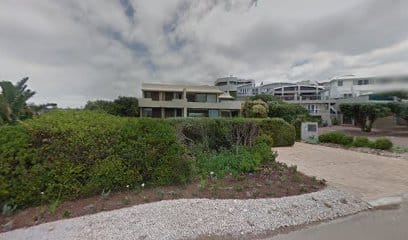
Plettenberg Bay, on the stunning Garden Route of the Western Cape, offers a diverse mix of accommodation and experiences to suit all travellers. From cosy B&Bs and boutique guesthouses to family-friendly lodges and self-catering options, the town serves as a comfortable base for exploring beaches, forests and wildlife with easy access to neighbouring towns. For visitors seeking a snug, compact option, Gazania House provides a compact indoor lodging experience that can be a convenient launchpad for a broader Plettenberg Bay stay. For more details, see the guest-facing pages at Home from Home Plett.
Areas to consider when planning your stay include the town centre near Main Street and the beachfront promenade, as well as quieter neighbourhoods a short drive away. The Central Beach area is ideal for those who want easy morning walks, sunset viewing, and quick access to cafés. For a more tranquil break, opt for lodges or guesthouses nestled near the Robberg Nature Reserve or along the Bloukrans corridor, where you can wake to birdsong and ocean glimpses. If you’re visiting with family, look for accommodation with multiple bedrooms, open-plan living spaces, or self-catering facilities to simplify mealtimes and value for money.
When booking, consider a few practical features that can make a stay smoother. Look for free and reliable Wi-Fi, secure parking, and clear information about check-in times. A well-equipped kitchen or kitchenette is handy for longer stays, while air conditioning or ceiling fans can improve comfort during the peak summer months. If accessibility matters, verify that rooms and entrances are step-free and that bathrooms have appropriate grab rails or a shower corner that’s easy to navigate. A small outdoor area or balcony can be a welcome perk for enjoying morning coffee or an evening sunset.
Typical amenities you may encounter include generous living spaces, well-equipped kitchens, private or shared entrances, and flexible bedding arrangements. Some properties offer on-site facilities such as a swimming pool, barbecue areas, or guest lounges. Proximity to beaches is a common selling point, but be mindful of seasonal noise and crowds during busy holiday periods. Many guesthouses emphasise personalised service, with hosts who can offer local insights and recommendations to help you make the most of your stay.
Transport within Plettenberg Bay is best approached with a rental car if you want to explore beyond the immediate beachfront and town centre. Taxis and ride services are available, and some accommodations provide shuttle options or can assist with organised tours. If you plan to visit Robberg Nature Reserve, be prepared for coastal trails and wildlife encounters; comfortable footwear and sun protection are essential. The town is well connected to the wider Garden Route, making day trips to nearby attractions feasible with a little planning.
The best time to visit Plettenberg Bay depends on your preferences. Summer, from December to February, brings warm sea temperatures and lively beach scenes, while autumn and spring offer milder weather, blooming gardens and opportunities for hiking without peak crowds. Winter can be charming with dramatic skies and fewer visitors, though some activities such as whale watching are seasonally influenced. Booking flexibility is valuable around school holidays and long weekends when demand spikes, so consider securing accommodation a few months in advance if your dates are fixed.
When planning activities, a blend of nature, beaches, and culinary experiences keeps most visitors engaged. Plettenberg Bay is known for its expansive coastline and pristine beaches, excellent for family days, water activities, and scenic walks. Nature reserves and coastal trails offer opportunities to observe wildlife and enjoy sweeping bay views. For dining, you’ll find a range of restaurants and cafes that focus on fresh, locally sourced ingredients and relaxed ambience. Rather than focusing on specific venues here, seek establishments with strong guest reviews for consistent service and a flavoursome, seasonally driven menu.
Practical tips to help you maximise your stay:
- Book early for peak seasons and school holidays to secure preferred areas and best-value rates.
- Decide whether you want beachside convenience or a quieter inland setting and choose accommodation that fits your daily plan.
- Check parking availability and whether the property offers secure, off-street spaces if you are driving.
- Pack sun protection, comfortable footwear for walks, and layers for changeable coastal weather.
- Ask hosts or property managers about local tips, including lesser-known beaches, viewpoints, or family-friendly activities.
For visitors seeking a personalised base of operations with easy access to Plettenberg Bay’s highlights, small boutique inns and guesthouses often deliver a warm, locally guided experience. Properties like Gazania House epitomise the idea of compact, comfortable indoor lodging within the Plettenberg Bay area, offering straightforward stays that pair well with day trips along the coast, forest trails, and along the Robberg Peninsular. To explore one such option or to learn more about what Plettenberg Bay has to offer, visit the linked pages and consider how the accommodation’s layout, amenities and location align with your travel style.
In short, Plettenberg Bay supports a flexible itinerary: you can balance beach days with forest walks, keep a relaxed pace in quiet neighbourhoods, and easily access a range of dining and outdoor activities. By prioritising practical amenities, location, and flexibility in your booking decisions, you can craft a stay that feels effortless and enjoyable from the moment you arrive until you depart. For more information on accommodation options and planning resources in Plettenberg Bay, you can explore the wider hospitality and tourism guidance available online.