Staying in Somerset East, Eastern Cape: accommodation, planning and local highlights
Somerset East in the Eastern Cape offers a friendly blend of countryside charm and access to natural scenery, making it a practical base for a relaxed holiday or a short break. When planning a stay, consider staying in a mix of comfortable guesthouses, cottages and small hotels within the town centre or nearby rural hamlets. This gives you easy access to shops, eateries and便利 routes to outdoor activities, while still enjoying a tranquil setting when you return to your accommodation.
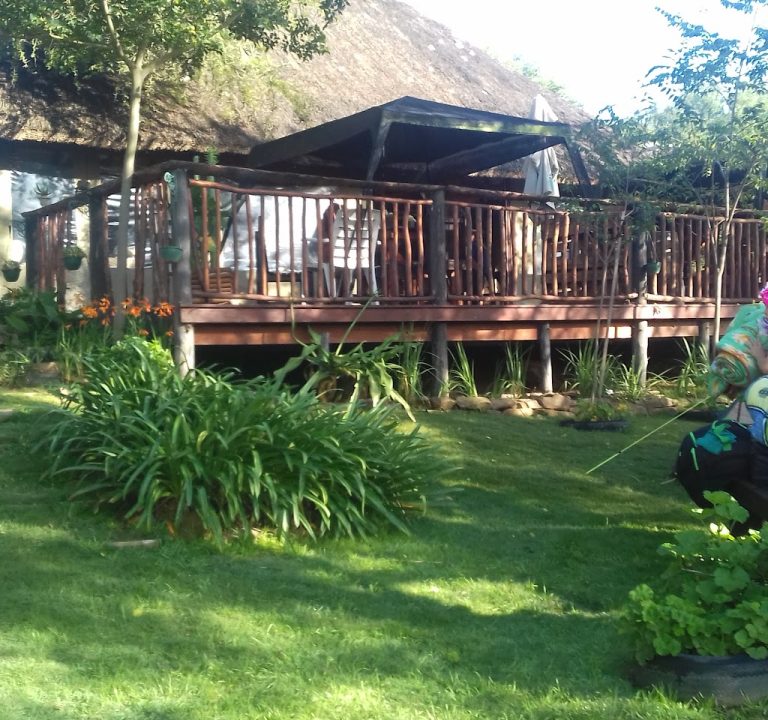
Accommodation in this area ranges from traditional guesthouses with warm, personal service to self-catering cottages nestled in leafy gardens or along quiet lanes. If you prefer a rural ambience, look for properties offering private verandas, outdoor seating areas, and well-equipped kitchens or kitchenettes. For travellers who value flexibility, a self-catering option can be ideal, while those seeking a touch of home comfort may opt for B&B-style stays with a hearty breakfast option. A notable example is Gardiol Country House, a cottage-style retreat that provides a peaceful base and links to practical information on its official website.
When judging where to book, consider the following factors. First, location relative to the activities you have in mind—nature walks, river outings, or day trips to nearby towns. Second, transport links: a property with off-street parking or easy access to local taxis can simplify travel, especially if you plan to explore beyond Somerset East. Third, the character of the accommodation: does it offer a cosy living area, good lighting for reading, reliable heating or cooling, and a bathroom with adequate amenities? Finally, read recent guest reviews to gauge consistency in housekeeping, responsiveness from hosts, and overall comfort levels.
Typical amenities you might encounter include well-equipped kitchens or kitchenettes, clean and comfortable bedrooms, reliable wi‑fi, and secure parking. Some places offer shared lounges or verandas, outdoor seating, and barbecue facilities which are particularly welcome in warm months. If you plan to stay during cooler seasons, check for heating options and good insulation. For families or groups, ask about extra sleeping arrangements, accessibility, and space to store outdoor gear or bicycles.
Transport in and around Somerset East is straightforward for most visitors. The town is small enough to explore on foot or by bicycle, and there are local routes for scenic drives that reveal the rolling farmlands and rugged landscapes nearby. If you plan day trips, consider renting a car for maximum flexibility. For those arriving by air, the closest international gateways require a Road transfer or a domestic flight to a regional airport followed by a drive; your accommodation host can often advise on the most convenient arrangements.
The best time to visit Somerset East is typically in the late spring to autumn period, when the weather is mild and outdoor activities are comfortable. Summer can bring warm days ideal for river experiences and outdoor dining, while winter offers quieter streets and atmospheric countryside. If you enjoy local markets, seasonal harvests and regional produce, align your trip with these cycles and you’ll find a richer taste of the area. Always check local events calendars when planning your dates, as coastal and inland South African towns may host markets, craft fairs and outdoor concerts that add to the appeal of a stay.
What to do and where to go during a stay is largely determined by your interests. In Somerset East you can expect access to scenic walks, nature reserves and river views, with opportunities for birdwatching and photography. For wildlife or countryside adventures, plan half- or full-day excursions that explore the surrounding farmlands and valleys. If you enjoy historic streets and local architecture, take a gentle stroll through the town to notice period buildings and traditional shopfronts. For meals out, you’ll find a range of casual eateries and café‑style venues offering simple breakfasts, light lunches and traditional fare; many establishments prioritise using local ingredients where possible.
To help you prepare, here is a practical planning checklist:
- Decide on a base: town centre versus a rural retreat, depending on daily plans.
- Choose accommodation with the right amenities for your stay, such as self-catering facilities, heating, parking and Wi‑Fi.
- Check proximity to nature trails, river access, and dining options.
- Book in advance for peak seasons and local events to secure preferred accommodation.
- Prepare for variable weather by packing layers and a light rain jacket.
When it comes to booking, consider contacting properties directly through their official websites for the most up‑to‑date availability and any seasonal packages. For example, Gardiol Country House provides a cottage option with its own web presence, where you can learn more about the setting, amenities and access to local information. Visiting such official pages helps you compare features across stays and plan a balanced itinerary that blends comfortable downtime with outdoorsy experiences.