Wolseley, Western Cape: Where to stay, what to do and how to plan your visit
Tucked in the Boland region of the Western Cape, Wolseley is a relaxed base for exploring mountain scenery, orchard landscapes and easy access to the surrounding towns. The village atmosphere suits travellers seeking a slower pace, comfortable self-catering options, anda gateway to outdoor adventures. When planning a stay, consider the practicalities of transport, the type of accommodation that suits your needs, and the kinds of experiences you’d like to combine with downtime in a tranquil setting.
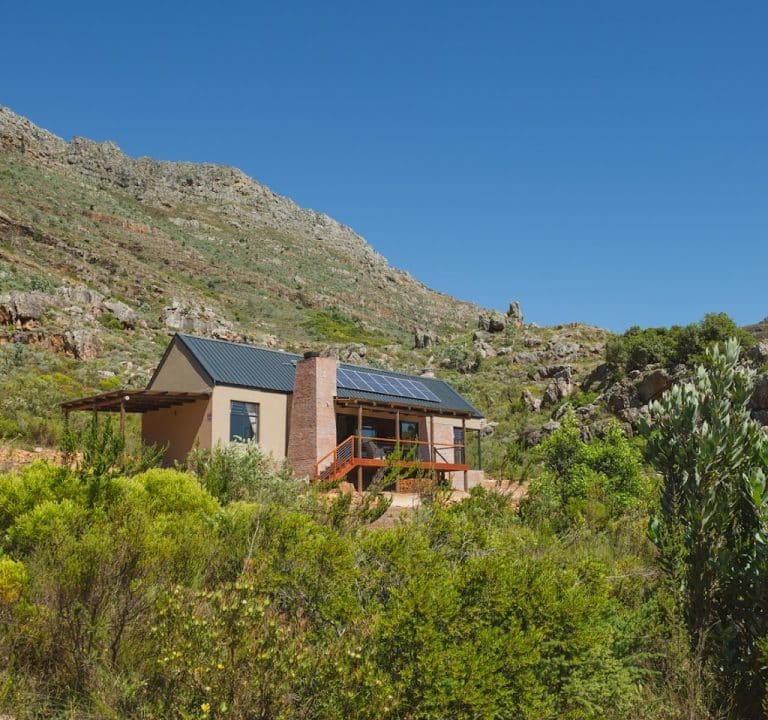
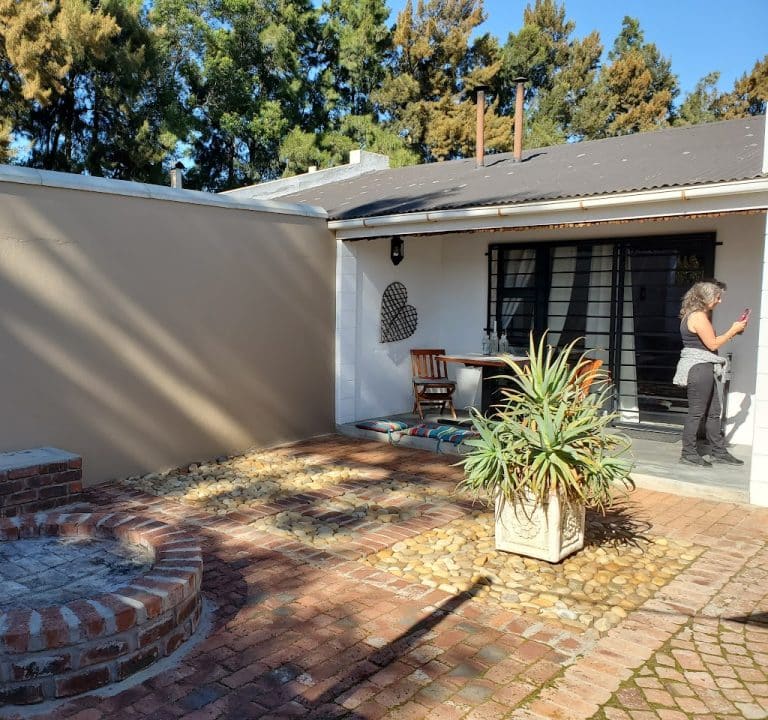
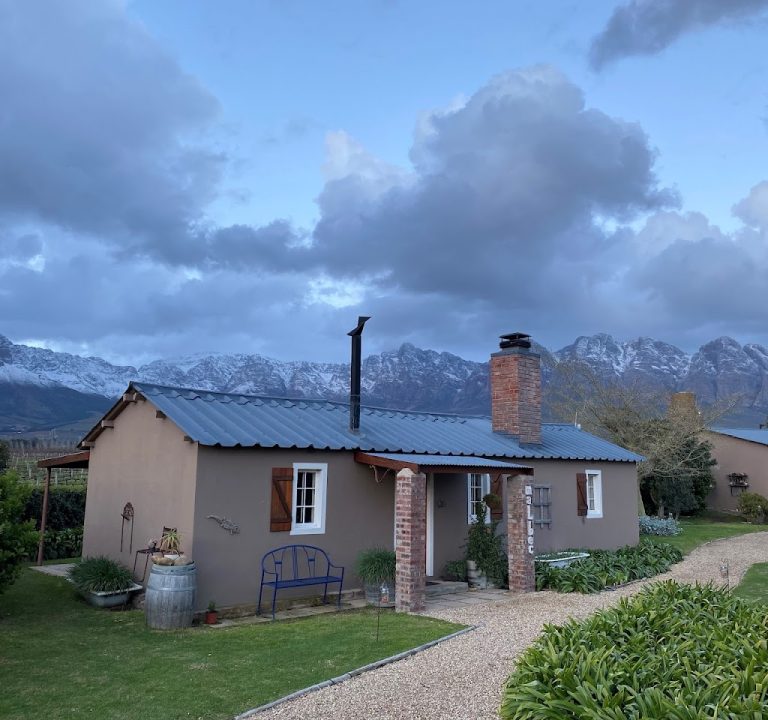
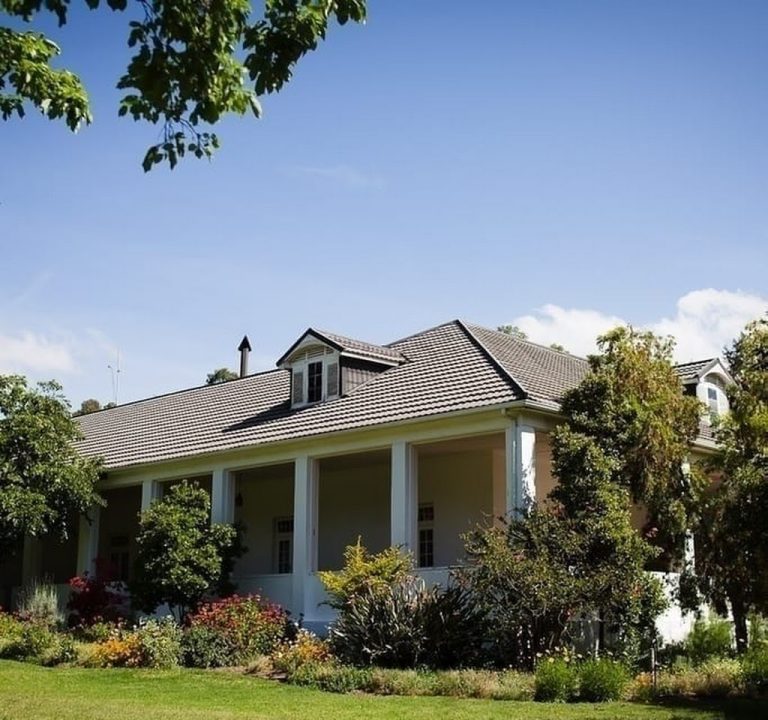
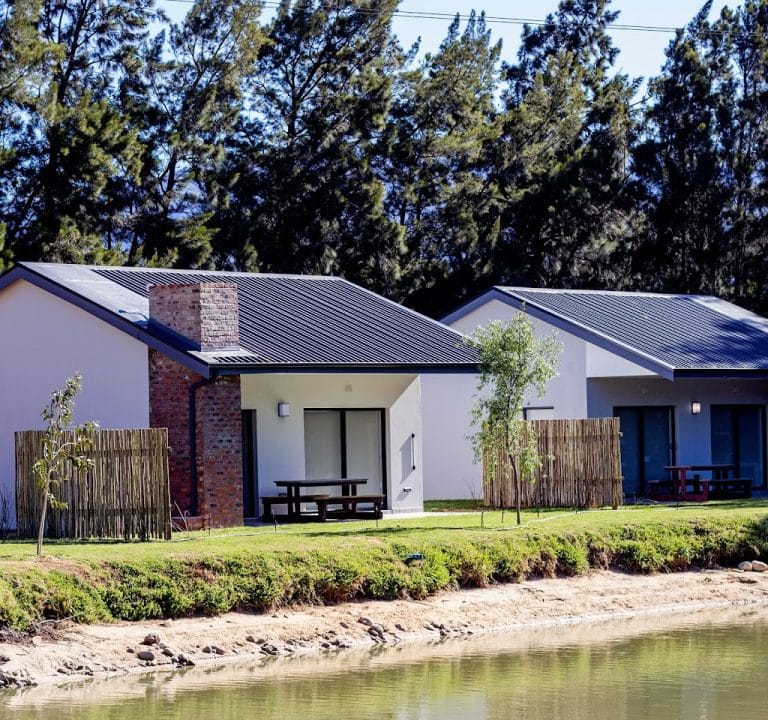
Accommodation in Wolseley ranges from characterful guesthouses to self-catering stays that let you come and go on your own schedule. One option to explore is a self-catering stay in the Fynbosrust area, which offers the flexibility of a quieter setting with kitchen facilities and private outdoor spaces. The emphasis in this region is often on comfortable practicalities: private entrances, parking, reliable heating or cooling, well-equipped kitchens, and spaces that work equally well for couples, families, or small groups. When selecting a place to stay, look for clear cleanliness standards, safe outdoor areas for children or pets (if applicable), and a description of how the property handles maintenance and upkeep during your visit.
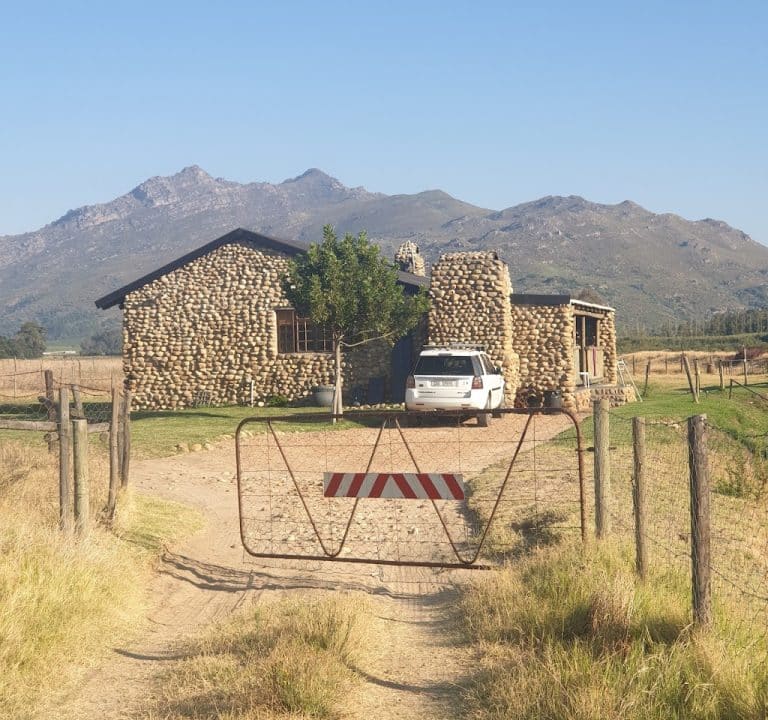
Neighbouring towns and rural farms around Wolseley provide a spectrum of choices, from compact studios to larger self-catering homes. In choosing where to stay, think about access to the N1 and major routes, as this will influence day trips to nearby wine routes, nature reserves and historic towns. If you prefer to arrive and simply unpack, seek options with a practical arrival process, step-free access where needed, and clear information about check-in times and self-check instructions. For longer stays, a property with sufficient living space, a comfortable lounge area and dependable Wi‑Fi can make a big difference to both relaxation and remote working needs.
Typical amenities found in Wolseley self-catering properties often include well-equipped kitchens (fridge, hob, oven, kettle and coffee maker), outdoor eating areas, and charcoal or gas barbecues for alfresco dining. Expect dedicated parking, secure storage for bikes or hiking gear, and laundry facilities for a comfortable, home‑from‑home sense of convenience. Some properties may offer eco-friendly features like solar power or rainwater harvesting, which can be appealing if you value sustainable travel. It’s worth reviewing the cancellation policy and what is included in the booking, such as linen, towels and mid-stay cleaning, so you know exactly what you are paying for.
For travellers seeking a broader experience, Wolseley makes a good base from which to discover the Western Cape’s outdoor attractions. Nature lovers can enjoy hills, trails and scenic viewpoints nearby, while food and wine enthusiasts can combine your stay with day trips to neighbouring valleys and farm stalls. While specific businesses may change over time, you’ll generally encounter a landscape of open countryside, with opportunities for gentle walks, longer hikes and photographic vistas, all within a short drive of your accommodation. Dining in the region ranges from cosy country eateries to farm-to-table tastings in nearby towns, offering dishes inspired by seasonal produce and regional flavours. If you prefer not to drive, check whether your chosen place offers local experiences or partnerships with nearby venues for guided walks or tastings.
Best time to visit Wolseley tends to follow the Western Cape’s seasonal pattern. Spring (September to November) brings mild weather and blooming flora, creating especially pleasant conditions for outdoor activities and nature photography. Summer (December to February) can be warm and dry, suitable for exploring the countryside early in the day and enjoying dinners outdoors. Autumn (March to May) offers cooler evenings and colourful landscapes, while winter (June to August) is typically cooler with the possibility of misty mornings and crisp air—perfect for cosy stays with fires or heaters in the evenings. Packing for a mix of warm layers, sun protection, comfortable walking shoes and a light rain jacket will keep you prepared for changing conditions.
Planning practicalities can help you make the most of your Wolseley stay. Consider how you will travel around: a car is generally the most convenient option for reaching attractions and rural areas, with parking often available at self-catering properties. If you are flying in, check your route to the Boland towns and the proximity to Worcester or Cape Town’s access points, as these can influence transfer times and costs. Have a rough plan for day trips but leave space for spontaneous stops at viewpoints, farm shops or short nature trails. Accessibility is worth clarifying in advance if you have mobility considerations, and it’s wise to confirm the property’s policies on pets, children and noise, to ensure a comfortable stay for everyone in your party.
Booking tips for Wolseley include reading guest reviews for insights into what is truly important to guests—comfort, cleanliness, and the accuracy of property descriptions. Look for properties that clearly state what is included in your stay, such as bed linen, towels, and kitchen basics. It’s also helpful to check the property’s proximity to any specific interests you have, whether that is a particular outdoor activity, a winery route, or a farmers’ market. Where possible, choose a stay that offers flexibility with check-in and check-out, and be aware of any local permit or seasonal restrictions that might affect access to certain rural routes or nature reserves.
For those interested in securing a self-catering option in Wolseley, a listing such as Fynbosrust provides a practical reference point and can be explored further at the booking page NightsBridge listing. This type of accommodation is well suited to travellers who want a home-like base from which to explore the Boland, with the added convenience of self-contained facilities and the freedom to tailor meals and daily routines to your itinerary.
- Confirm kitchen facilities and dining spaces for your group size
- Check parking arrangements and vehicle access
- Assess proximity to key routes and local attractions
- Review cancellation policies and included amenities
- Prepare for a mix of outdoor activity and relaxed evenings in a countryside setting