Exploring Franskraal: Where to stay, what to do and how to plan your visit
Franskraal, a tranquil coastal village along the Western Cape's coastline, offers a relaxed base for travellers seeking easy access to sandy beaches, nature trails, and the wider Garden Route region. Whether you prefer a cosy self-catering stay, a guesthouse with sea views, or a self-contained lodge nestled among fynbos, Franskraal provides options that suit a range of budgets and travel styles. Below is a practical guide to accommodation planning, highlights of the area, and ideas for making the most of a stay in this part of the Western Cape.
Areas to consider when choosing where to stay. Franskraal sits close to the more developed coastal towns, but it still retains a peaceful, village atmosphere. Look for accommodation near Uilkraal Beach for easy access to the shore and gentle海 views, or choose a location closer to the main village hub if you prefer proximity to eateries and shops. For families or longer stays, self-catering properties with separate living spaces and outdoor areas can be especially convenient. If you value privacy and a sense of rural quiet, a lodge or farm-stay on the nearby plains may offer space to spread out and a chance to encounter local birds and blossoms during spring and summer.
What to look for when booking. Key considerations include proximity to the beach, parking availability, and the presence of self-catering facilities or kitchen access. For longer stays, a well-equipped kitchen, laundry facilities, and reliable wi‑fi can be important. Check heating or cooling options for the shoulder seasons, as coastal weather can be variable. If you are visiting with children, confirm child-friendly amenities such as safety features and outdoor play spaces. For nature enthusiasts, seek properties with easy access to short walks or coastal trails, and inquire about guidance on local wildlife, tide times, and safe beach access. Reading guest reviews can help you gauge how hosts manage quiet hours, cleanliness, and any practical quirks of the property.
Typical amenities you might encounter. A well-rounded Franskraal stay often includes access to private or shared outdoor spaces, barbecues or braais, and well-equipped kitchens in self-catering options. Ocean or sea views are a big draw, but even without direct water frontage, many properties offer verandas or decks to enjoy the sea breeze. Essentials such as fresh linen, adequate heating, and secure parking usually feature prominently. Depending on the property, you may find features like outdoor showers, garden seating, or pet-friendly arrangements. If you are planning on exploring beyond Franskraal, portable barbecues and outdoor storage for surf gear or hiking equipment can be useful additions to your packing list.
Transport and getting around. The area is serviced by a network of local roads linking to the larger towns along the coast. Having a car is the most flexible option for exploring the Cape Overberg region, visiting beaches, nature reserves, and nearby towns for day trips. If you plan to rely on public transport, check the proximity of your accommodation to taxi routes or local shuttle services, and confirm whether the property offers guidance on local transfers. For those who enjoy scenic drives, a round trip along the coastline, with optional detours to viewpoints and short coastal walks, can be a relaxing way to structure your days.
Best time to visit. The Western Cape experiences a Mediterranean climate with warm summers and mild winters. Summer (October to March) is popular for beach days and outdoor activities, though it can be breezy near the coast. Spring (September to November) and autumn (March to May) offer pleasant temperatures and quieter scenes, while winter (June to August) brings cooler days and the occasional rain shower. Whichever season you choose, mornings tend to be calm and skies clear, making it a good time for walks along the shore or through nearby trails. If you are keen on whale watching or bird life, align your visit with seasonal migrations and fledgling periods in the region, and ask hosts for insider tips on the best times and viewpoints.
Practical tips for a smooth stay. - Book accommodation with a clear cancellation policy and written confirmation. - Confirm access times for check-in and check-out, as some properties offer self-check-in options. - Bring sunscreen, a hat, and light layers for coastal winds; evenings can be cooler near the water. - Pack a reusable water bottle and a small first-aid kit for day trips. - Respect local conservation guidelines when exploring beaches and natural areas, and follow safety signs for tide and surf warnings. - If you are planning to dine out, note that small village venues may have seasonal hours or limited menus; reserving a table ahead of peak times can help ensure you do not miss-a-room with a busy evening.
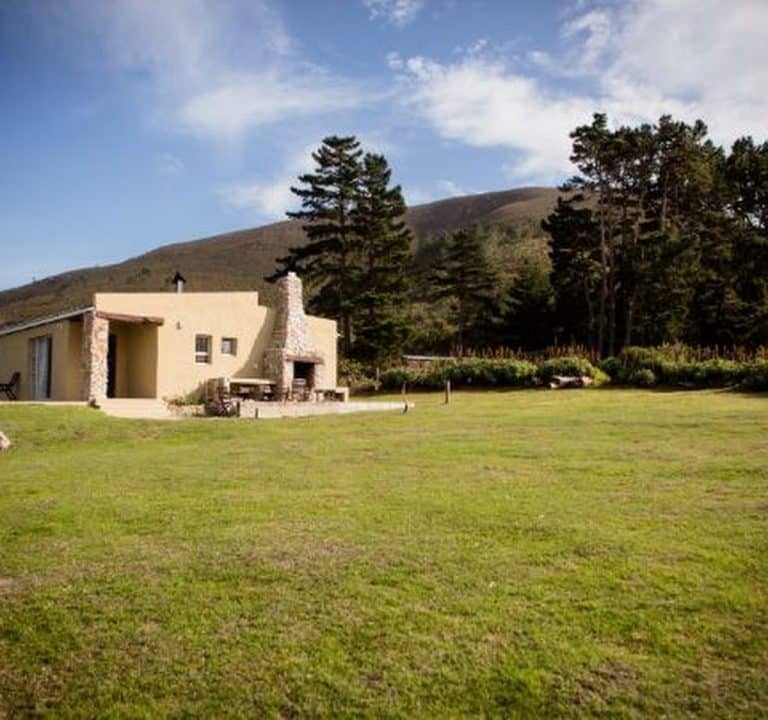
Accommodation highlight: Fynbos Farm House. A notable self-catering option in the region is presented by Fynbos Farm House, offering a detached, self-contained stay that provides guests with the freedom to cook and relax at their own pace. The property sits within a country setting, providing space to unwind and a base from which to explore the surrounding coast and inland landscapes. For more information about this and similar properties, you can visit the host’s website at http://www.panoramafarm.co.za/.
Nearby attractions and dining avenues. While Franskraal itself centres on seaside leisure, the wider area offers natural reserves, coastal viewpoints, and scenic trails that suit walkers, cyclists, and photographers. Local eateries focus on fresh, seasonal ingredients and informal dining, complementing a laid-back holiday ethos. Visitors can plan day trips to nearby towns for additional dining options, craft markets, and coastal scenery. In all cases, plan ahead to balance beach time with exploration, and enjoy the unhurried pace that characterises this part of the Western Cape.