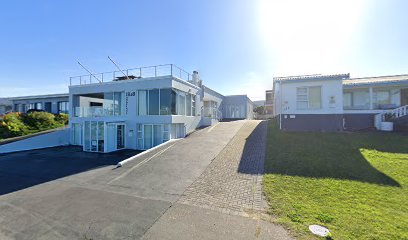
Franskraal: Accommodation and planning a stays in the Western Cape
Franskraal, a laid‑back coastal village on the Western Cape, offers a welcoming base for visitors exploring the Cape coastline, marine wildlife and the surrounding farms and hills. For travellers seeking a relaxed stay with easy access to both sea and nature, the area provides a range of accommodation options, from homey bed and breakfast rooms to self‑catering cottages and small guesthouses. When planning a visit, consider staying in or near Franskraal itself for direct beach access, or expanding your stay to nearby towns such as Gansbaai to broaden your dining and activity choices.
Accommodation in Franskraal is often characterised by a friendly, personal touch. Places commonly feature sea or garden views, private terraces or porches, and practical amenities such as free parking, Wi‑Fi, and straightforward self‑catering facilities. If you are travelling with family or a group, look for larger rooms or small suites that can be configured as a single unit, with options for extra beds or a small kitchenette. For couples seeking a romantic retreat, boutique‑style rooms with cosy loungers and morning light can be particularly appealing. Always check the booking terms, such as minimum stay requirements and policies on cancellation, so that your plans remain flexible in peak periods.
When choosing a base, think about access to the coastline. Franskraal’s beachfront spots offer early morning walks and sunset views, while properties a short drive from the main coastline can provide quieter stays with easy drives to nearby attractions. Consider the proximity to the primary road network; a location just off a main route can make day trips smoother, whether you plan to visit penguin colonies, marine reserves, or the wider Overberg countryside.
Transport in and around Franskraal is typically car‑centric. If you travel by air to the region, a rental car is the most convenient way to explore laagered beaches, small harbours and scenic coastal routes. For longer stays, check whether your accommodation offers on‑site parking, and whether there are convenient public transport links to nearby towns. Some properties arrange trusted local guides or information on day tours, which can be a handy way to discover marine life, coastal trails and agricultural stops without needing to navigate independently.
Best time to visit Franskraal sits between late winter and late spring when coastal countryside is green and wildlife activity is lively. The area is well known for its maritime scenery and marine mammals, with peak whale watching often aligning with calmer seas in certain months. Summer days can be warm but breezy, making evenings pleasant for al fresco dining along the coast. If you are concerned with crowds or peak season pricing, shoulder months usually offer a more relaxed pace and more flexible accommodation availability.
For those planning an itinerary, Franskraal serves as a convenient launch point for several light outdoor activities. Beach strolls, coastal hikes, and birdwatching are common pastimes, while nearby reserves and viewpoints offer opportunities to observe marine life from safe, respectful distances. If you prefer organised experiences, look for reputable operators who offer guided boat trips or nature walks, ensuring that safety guidelines and environmental responsibilities are observed. Dining in the region tends to emphasise fresh seafood and locally produced produce; many guesthouses and small bistros near Franskraal offer straightforward menus that celebrate the coast and countryside without being overly formal.
Typical amenities to look for when booking include reliable Wi‑Fi, ample parking, and good natural light in bedrooms. A well‑equipped kitchen or kitchenette can be a big benefit if you plan to cook some meals, while a comfortable common area, outdoor seating, and a barbecue space can enhance a shared holiday experience. If you value sustainability, ask about towel and linen reuse policies, energy‑efficient heating or cooling, and recycling options. Accessibility may also be important; if you have mobility considerations, check room layouts, entrance access, and bathroom facilities before confirming a booking.
Planning practicalities at a glance:
- Decide how close you want to be to the coast and which activities you prioritise (beach days, wildlife watching, or scenic drives).
- Check parking arrangements and whether the property offers shuttle or guided day tours.
- Confirm what is included in the price (breakfast, housekeeping, and self‑catering provisions).
- Consider the best season for marine life sightings and weather patterns; pack accordingly.
- Look for flexible booking terms and clear cancellation policies in case plans shift.
To plan a seamless stay, consult local tourism resources to identify up‑to‑date dining options and nearby attractions. General information pages offered by regional tourism boards can help you size up the dining scene, safety considerations by the coast, and seasonal events. For a broader sense of the area, you may wish to browse pages dedicated to Franskraal and its surroundings, which often include practical travel tips and suggested day trips. If you are considering a particular property named Franskraal Bed and Breakfast, you can usually learn more about its location, rooms, and guest services through its official site or hosted listings, which can provide direct booking options and policy details. Visit regional tourism portals for practical itineraries and inspiration to tailor your stay to your interests and pace.
In short, Franskraal offers a relaxed coastal base with approachable accommodation and a gateway to both sea‑based and countryside experiences. With thoughtful planning—focusing on location, amenities, transport, and seasonal timing—you can enjoy a comfortable, memorable stay that makes the most of this scenic part of the Western Cape. For further ideas and practicalities, regional tourism sites and the Franskraal bed and breakfast listings can be useful starting points for your travel research.