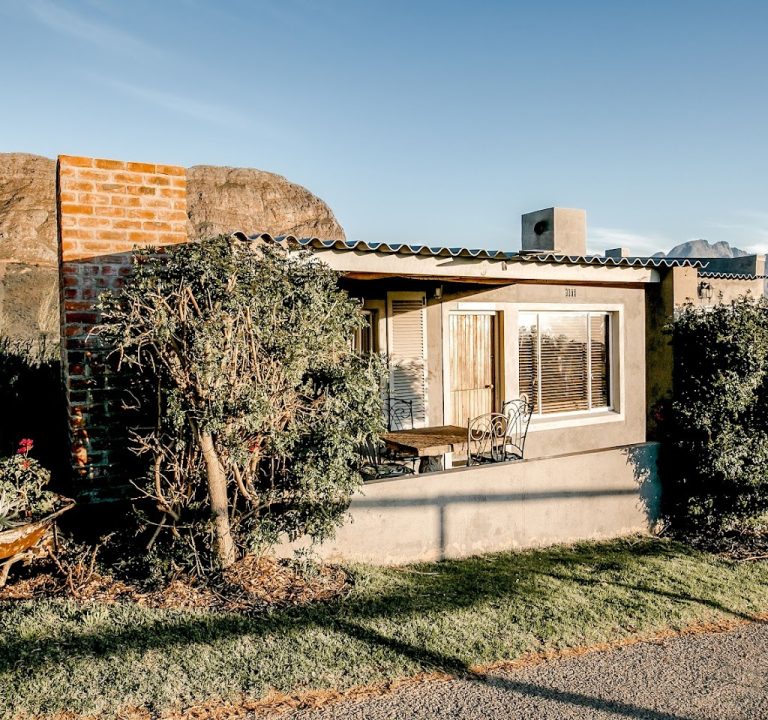
Franschhoek: accommodation, attractions and practical planning for a memorable stay
Franschhoek is a delightful blend of scenic splendour, world-class dining and a rich heritage that remains intimately tied to the valley’s wine estates. When planning a stay in this endearing Cape Town suburb, think about where you want to base yourself: the bustling, characterful village centre with its French-Huguenot history, or a tranquil vineyard setting just beyond the main streets. Either option comes with easy access to superb restaurants, scenic drives and a calendar of tastings and experiences that showcase the region’s distinctive Franschhoek charm.
Accommodation in Franschhoek spans boutique hotels, family-friendly guesthouses, cosy BnBs and luxurious vineyard lodges. In the village, you’ll find intimate inns with design-forward décor, warm hospitality and practical touches such as generous breakfast offerings, well-appointed communal spaces and close proximity to eateries and galleries. On the valley floor, many properties sit within working estates or hillside locations, offering quieter tones, expansive views and a sense of retreat after a day of touring. When selecting where to stay, consider the rhythm you prefer: a lively village base with easy strolls to cafés and shops, or a serene countryside perch ideal for sundowners and long, lazy evenings with the valley as your backdrop.
Typical amenities across Franschhoek’s accommodation options include complimentary Wi‑Fi, on-site parking, air conditioning or heating for the variable coastal climate, and often a personalised continental or full breakfast. Expect thoughtful touches such as locally sourced toiletries, curated room information, and guidance on nearby experiences. Many properties also arrange or assist with private vineyard tours, tastings, and restaurant bookings, which can be particularly helpful during peak seasons or when you’re seeking a personalised itinerary.
Getting around Franschhoek is straightforward, though some experiences are spread along winding canyon roads and hillside vineyards. A car is the most convenient option for broad exploration, giving you the flexibility to visit multiple wine estates, farms and historical sites at your own pace. If you prefer not to drive, some guesthouses can arrange chauffeur or transfer services, and there are established tour operators offering wine tasting routes with knowledgeable guides. Within the village, most attractions are within a short stroll from central guesthouses and boutique hotels, making a pedestrian-first approach perfectly practical for a relaxed itinerary.
Seasonality plays a significant role in how the town feels and what’s on offer. Spring (September to November) brings bougainvillea and fresh greens, with comfortable days for vineyard visits. Autumn (March to May) offers mild weather and quieter backdrops as the harvest season settles. Winter can be crisp but atmospheric, with cosy dining rooms and fireside corners in many establishments. If your visit is tied to a specific winery event or a renowned restaurant, it’s wise to book well in advance and confirm tasting or dining experiences as schedules can be seasonal.
Attractions near Franschhoek are rooted in both nature and culture. Expect scenic drives through the valley with viewpoints overlooking vineyards and mountains, engaging art galleries, and historic sites that reflect the area’s French heritage. In addition to wine-tasting routes, there are gardens, outdoor activities and markets that celebrate regional produce. Dining in Franschhoek is a highlight in its own right: you’ll find a range of eateries from chic bistros to refined tasting menus, all offering a sense of place through locally grown ingredients, seasonal dishes and the gracious hospitality the town is known for. For visitors staying in the area, it’s common to combine a day of wine-tasting with a stroll through the village, followed by a relaxed dinner and a night at a cosy guesthouse or boutique hotel.
When choosing where to stay, here are practical considerations to guide your decision:
- Location within Franschhoek: central village for easy dining and galleries or vineyard-adjacent for views and tranquillity.
- Size and layout of the property: intimate rooms for couples or larger suites for families or groups.
- Accessibility: consider parking provisions, elevator access if needed, and distance to main streets or tasting routes.
- Included amenities: breakfast, on-site dining, pool access, spa facilities or guided experiences.
- Booking windows: peak season generally requires advance reservations, particularly for sought-after properties or seasonal tasting events.
A practical plan for a balanced Franschhoek stay might look like this: arrive, settle in your accommodation, enjoy a relaxed lunch or coffee in the village, and spend an afternoon exploring a couple of nearby wine estates. Reserve evenings for dining experiences at esteemed restaurants, returning to your base for a restful night. For a seamless booking journey, consider property pages that offer direct bookings or partner with reputable platforms, and check whether the listing provides local tips, maps or itinerary suggestions. If you’d like to explore a curated example of what is available in the area, the Maison Montagne property profile offers a sense of the style and comfort available in Franschhoek through a dedicated hospitality website (https://maisonmontagne.co.za/).
In terms of planning tips, aim to book accommodation with flexible cancellation policies where possible, especially if your plans involve multiple regional stops or uncertain travel dates. Check the property’s approach to sustainability and guest services, including how housekeeping is managed and whether there are water or energy-saving practices in place. Finally, remember that Franschhoek is a place to slow down and enjoy the moment—allow time for a lingering lunch, a relaxed stroll along the main street, and a sunset view over the mountains to complete your visit in true Franschhoek fashion.