Exploring Johannesburg: Accommodation, Areas to Stay, and What to Enjoy
Johannesburg, or Jo’burg as it is commonly known, offers a dynamic mix of urban energy, cultural heritage, and plains of modern hospitality. When planning a stay, travellers can choose from stylish boutique B&Bs, contemporary hotels, and welcoming guesthouses that place you within easy reach of the city’s parks, museums, and vibrant dining scenes. The choice of neighbourhoods often determines the pace and flavour of your visit, so it’s worth weighing what you want from your stay before you book.
One of the most popular approaches is to base your stay in central or northern districts that are well connected and safe for visitors. Areas around the central business district, Sandton, Rosebank, and Melville offer a range of accommodation styles, from intimate B&Bs to modern lodges and well-rated guesthouses. Each area has its own character: the city centre puts you in the historic and business hub with easy access to trains, Gautrain connections, and on-street dining; Sandton and Rosebank provide shopping precincts, galleries, and a calmer late-evening ambience; while Melville is known for its bohemian eateries and relaxed streets. For travellers seeking a blend of urban convenience and leafy vantage points, northern suburbs deliver a tranquil base with straightforward access to major routes and parks.
When choosing where to stay, consider the following practical points to help you book with confidence:
- Transport links: look for accommodation close to main roads, taxi routes, or rail connections. If you plan day trips, a place near a Gautrain station can save time on high-speed rail services to Pretoria, the airport, and other key hubs.
- Safety and comfort: read recent guest reviews for notes on security, lighting, lockable rooms, and reliable hot water. Quiet rooms and good insulation are worth prioritising for restful nights.
- Amenities that matter: reliable Wi‑Fi, breakfast options (especially if you’re trying to maximise your day with early starts), parking arrangements, and accessible layouts if required.
- Character and style: a boutique guesthouse or B&B often includes thoughtful touches—well-curated interiors, paired with local hospitality ethos that can help you feel like a guest rather than a visitor.
- Flexibility and value: flexible check-in/out policies and clear cancellation terms are important in case plans change, particularly when travelling during peak seasons or around events.
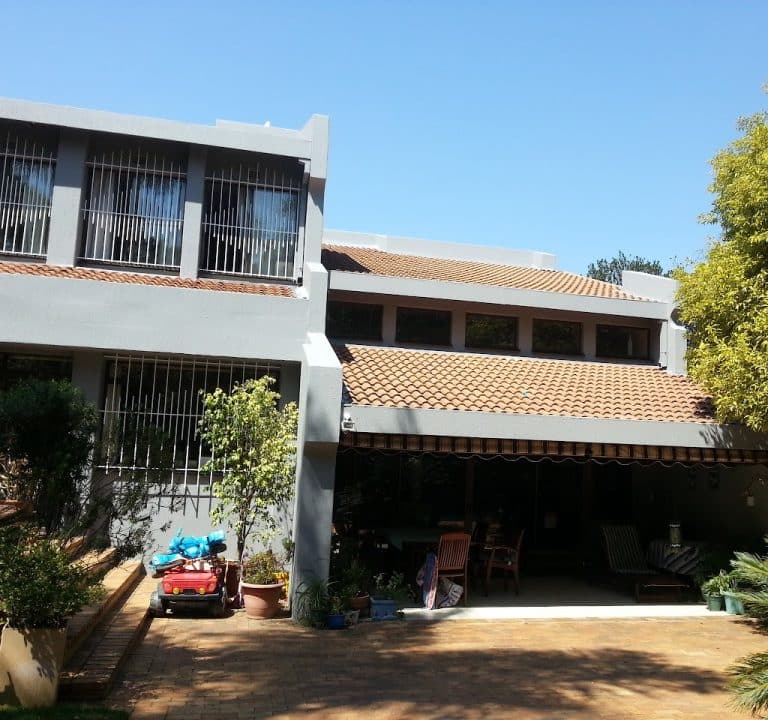
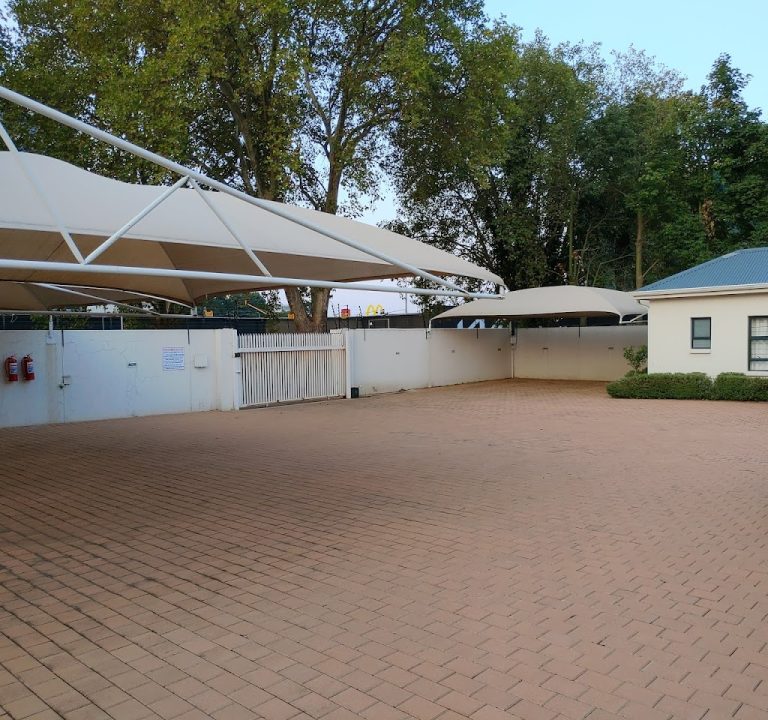
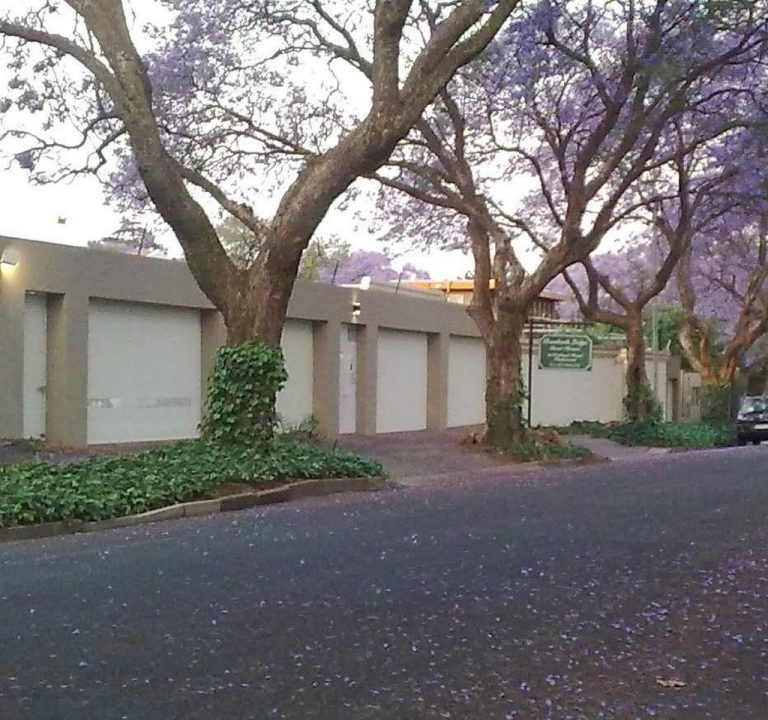
Typical amenities you may encounter include en-suite rooms, complimentary breakfast featuring regional flavours, secure parking, guest lounge areas, and curated recommendations for local experiences. Some properties may offer suites or family rooms, making it easier to accommodate different group sizes. If you are staying in a B&B such as Fourteen on Selby, you might enjoy a more intimate setting with personalised service and a focus on guest comfort, paired with convenient access to city sights. Always verify what is included in the rate—daily housekeeping, kitchen access, and any extra charges for late arrival or additional guests are common details worth checking in advance.
In terms of planning your itinerary, Johannesburg has a broad mix of attractions that suit varied interests. History and culture enthusiasts can explore museums and heritage sites that illuminate South Africa’s diverse narratives. For those who relish outdoor spaces, gardens and parks offer respite from the urban rhythm, while contemporary art districts and neighbourhood eateries provide a taste of local creativity. The restaurant scene across the city is varied, ranging from casual cafés to refined dining rooms that emphasise seasonal produce and contemporary flavours. When you’re counting meals, it helps to plan one or two standout meals but also leave room for discovering unexpected favourites in walkable districts.
Practical tips for a smooth visit:
- Best time to visit: Johannesburg enjoys a mild temperate climate, with cooler evenings that make outdoor dining pleasant for much of the year. The dry season tends to be a favourite period for sightseeing and activities.
- Weight of travel: plan for occasional delays in traffic or on city transit routes; giving yourself buffer time for day trips can reduce stress and improve your overall experience.
- Eating and drinking: try a mix of established eateries and local neighbourhood spots to get a real sense of place. In many areas, you’ll find places that cater to both casual meals and more leisurely dinners.
- Safety and comfort: stay mindful of your belongings in busy areas and use hotel or guesthouse safes if available. Ask your host for practical tips specific to the neighbourhood you’re staying in.
- Souvenirs and shopping: front courtyards, markets, and boutique stores often carry crafts and fashion that reflect South African design and culture, making memorable keepsakes without needing to travel far from your base.
When booking, read the listing carefully and note what makes a particular property stand out—personal touches, thoughtful breakfast options, and proximity to your planned experiences can significantly enhance your stay. For many visitors, a well-chosen B&B or guesthouse in a well-connected neighbourhood provides a comfortable, authentic base from which to explore Johannesburg’s breadth of experiences, from iconic city viewpoints to the everyday rhythms of urban life. If you’re considering a stay around a boutique property such as Fourteen on Selby, you can expect a grounded, guest-focused experience that aligns with the city’s warm hospitality and contemporary energy. For further information, you can explore accommodation pages and the official tourism resources that offer up-to-date details on opening times, accessibility, and current recommendations.