Staying in Mankweng, Limpopo: where to stay, what to plan, and how to enjoy it
Nestled on the edge of Polokwane in Limpopo, Mankweng offers a welcoming base for travellers seeking a quieter South African experience with easy access to the region’s natural beauty and cultural heritage. A range of accommodation options—from guesthouses and lodges to modest hotels—enable visitors to balance comfort with authentic local flavour. When planning a stay here, consider proximity to the town centre, ease of access to major routes, and the type of atmosphere you prefer, whether it is a relaxed retreat or a more lively base for day trips.
Accommodation in Mankweng typically centres on guesthouses, B&B-style properties, and small hotels. Many guesthouses are family-run and provide a warm African welcome, with options that range from compact en-suite rooms to more spacious suites. If you are seeking a distinctly local experience, look for properties that emphasise personalised service, on-site parking, and guest lounges or communal kitchens. Some establishments may advertise on regional tourism platforms or feature detailed descriptions on their own websites. It is worth noting whether a property offers breakfast, what meals are included, and whether meals can be arranged for special dietary needs.
When choosing where to stay, consider the following factors:
- Location and access: Is the property near the town centre for easy dining and small shops, or would a quieter neighbourhood be preferable for a peaceful break?
- Transport links: Look for properties with straightforward access to taxis, ridesharing, or local bus routes, especially if you plan day trips to surrounding reserves or landmarks.
- Amenities: Check for Wi‑Fi, secure parking, air conditioning, and laundry facilities, which can be important in hot climates or during longer visits.
- Room configurations: If travelling with family or a group, verify whether rooms can be connected or if family-friendly options such as adjoining rooms are available.
- Safety and security: A property with good security measures, a staffed reception, and well-lit exteriors tends to be more comfortable for first-time visitors.
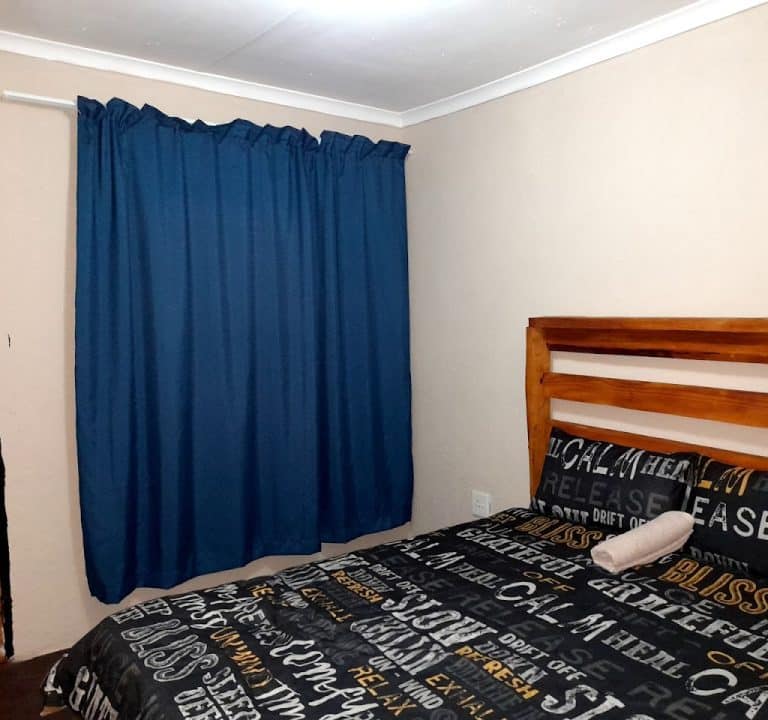
Typical amenities across the range of properties in Mankweng often include private or en‑suite bathrooms, comfortable bedding, and access to a communal lounge or garden. Some places may arrange guided tours or provide recommendations for local attractions. A few may offer basic kitchen facilities or share spaces where guests can prepare light meals. If you are planning a longer stay, inquire about housekeeping schedules, laundry services, and the possibility of arranging airport or station transfers through the guesthouse or hotel staff.
Best time to visit Mankweng depends on your plans. The region experiences a warm climate with distinct wet and dry seasons. The dry months tend to be more comfortable for outdoor activities, road travel, and self-guided exploration of nearby natural spaces. The wet season can bring dramatic afternoon storms and lush vegetation, which has its own charm for nature lovers and birdwatchers. Consider the periods just before and after school holidays if you prefer a quieter environment, or peak holiday times if you want a busier, more social atmosphere.
Nearby attractions and experiences commonly enjoyed by visitors include walking or cycling along open spaces and nature trails, exploring nearby wildlife reserves or game viewing opportunities, and learning about Limpopo’s cultural heritage through local museums or community events. Even when attractions are described in broad terms, many visitors value the chance to observe daily life in a township or small town setting, taste traditional foods, and connect with residents who share tips for exploring the area.
Dining and meals in Mankweng are often informal and community‑spirited. Expect to find simple, well‑made meals at small eateries or guesthouse dining rooms, with options that emphasise local flavours and seasonal ingredients. If you have dietary requirements, you should communicate them in advance to your hosts or restaurant staff. For a wider range of choices, plan a short trip to nearby towns where you can sample a variety of cafés and casual restaurants. Always check opening times in advance, as schedules can vary seasonally.
Transport once you are in Mankweng is typically straightforward. A car offers the most flexibility for sightseeing beyond the town itself, including day trips to natural areas and larger towns in the region. If you prefer not to drive, investigate local transfer options through your accommodation or trusted operators, and confirm pick‑ups for any planned activities. Inside town, short rides by taxi or rideshare services are common, and walking is feasible for shorter distances between lodging, markets, and dining spots during daylight hours.
Practical tips for a smooth stay:
- Book in advance during peak travel periods to secure the best room type and rates.
- Ask hosts about safe parking arrangements and whether any rooms have fans or air conditioning to cope with warm nights.
- Request local recommendations for markets, eateries, and short walks that showcase the area’s character.
- Bring a light layer for cooler evenings and a sunhat for daytime outdoor activities.
- Check the cancellation policy and whether meals or guided experiences are included or available as add-ons.
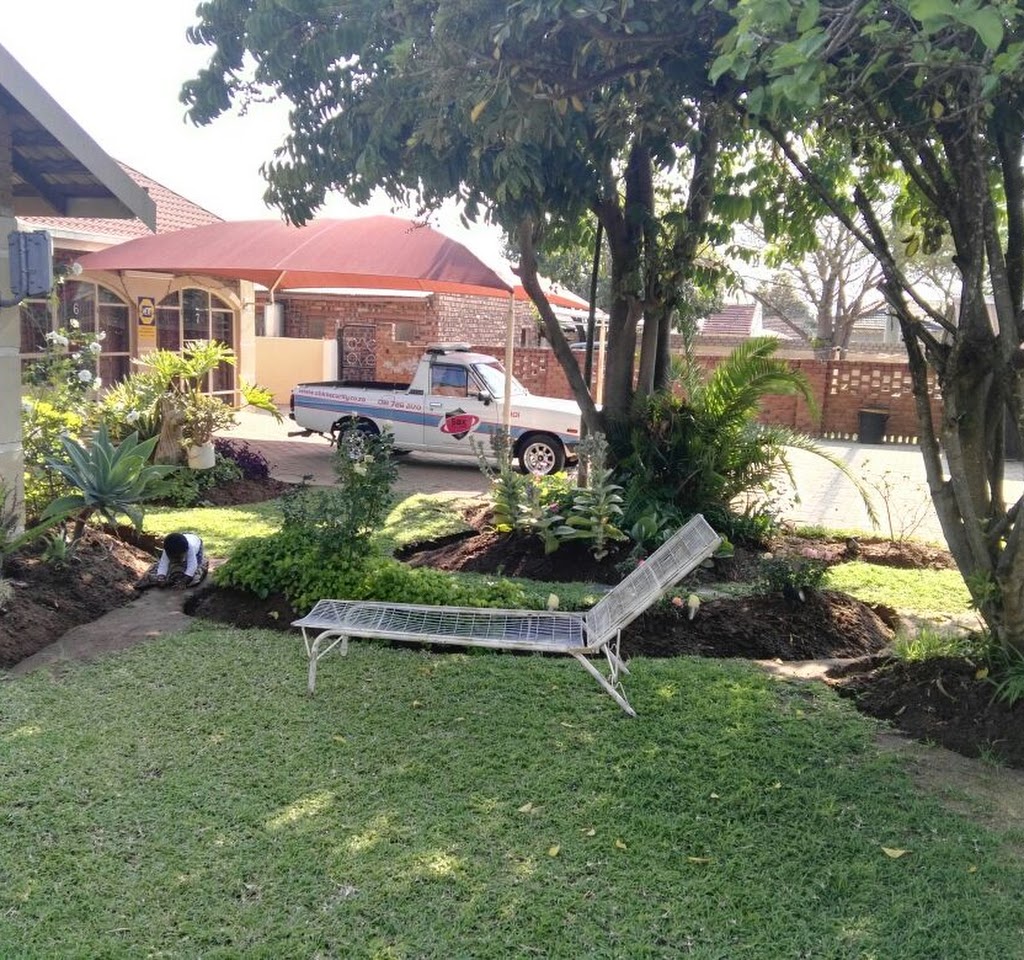
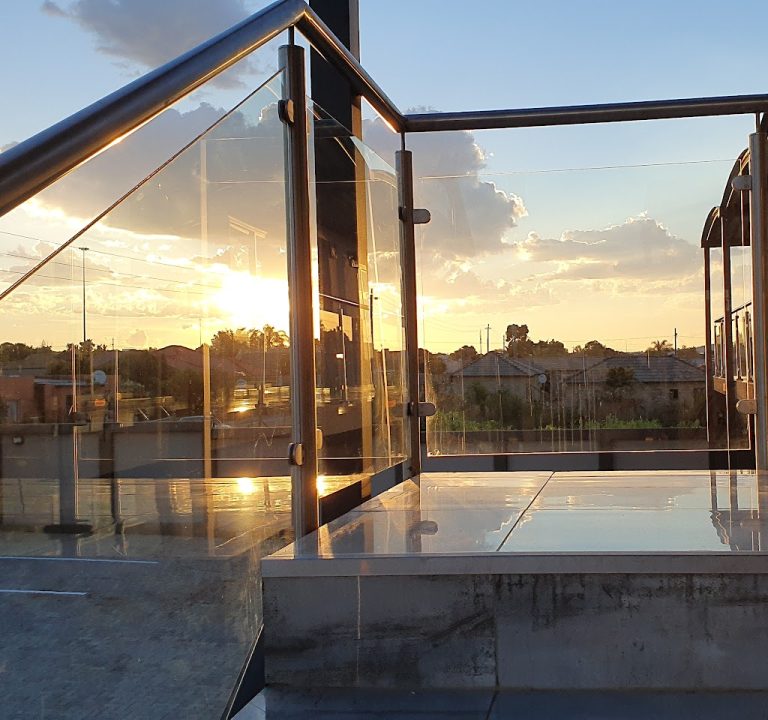
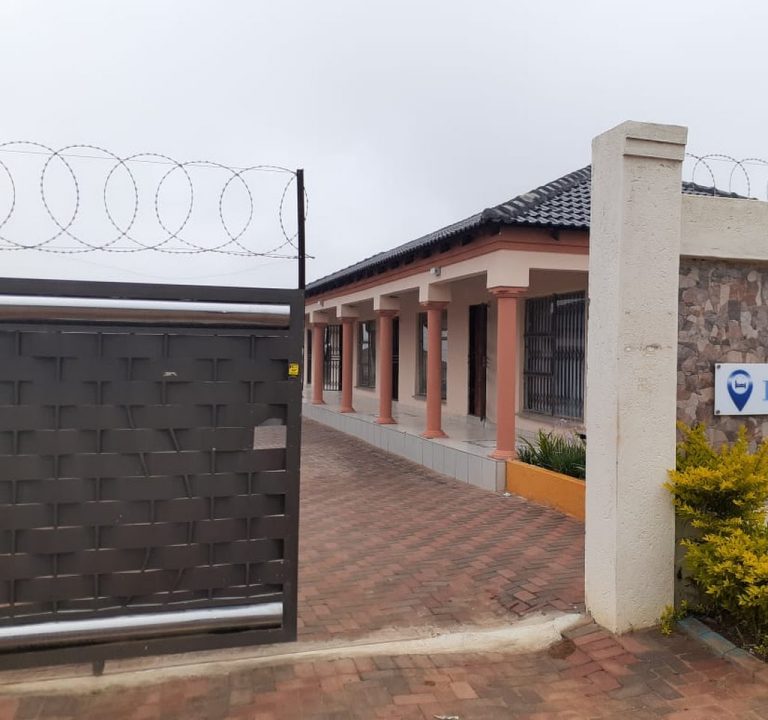
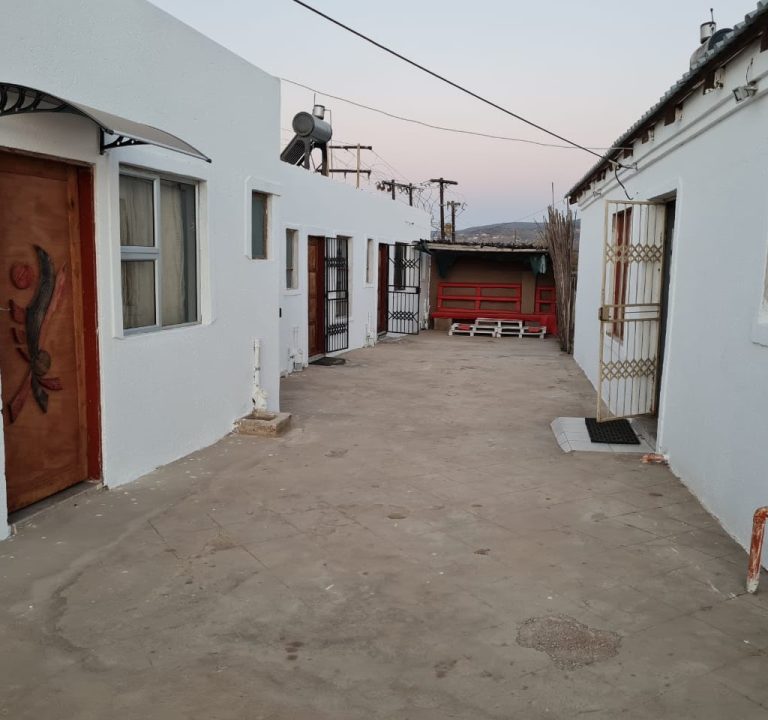
One example of an accommodation option in the area is Four Seasons Guest House, a residence that aligns with the type of friendly, comfortable stay many visitors seek when exploring Limpopo. While options vary, the region rewards curious travellers with warm hospitality, informal dining, and a sense of community that makes a stay in Mankweng rewarding, whether for a short break or a longer, more immersive visit.