Polokwane: Where to stay, what to do and how to plan a memorable visit
Polokwane, the capital of Limpopo, blends city convenience with easy access to the province’s natural beauty and vibrant local culture. When planning a stay, consider the variety of overnight options available, from intimate guest houses to mid-range hotels and self-catering lodges. The city serves as a practical base for exploring nearby reserves, markets and eateries, while offering comfortable amenities and straightforward transport connections.
Areas to consider when booking a stay in Polokwane include the city centre and the surrounding residential neighbourhoods. The central area puts you within easy reach of shops, restaurants and business services, often with shorter taxi or ride‑hailing distances to a range of venues. The more residential districts, such as clusters around sandstone-and-wood guest houses or boutique retreats, can offer a calmer atmosphere, garden settings and personalised service. If you are arriving by air or planning day trips to rural attractions, choosing a location with convenient access to main roads and the airport corridor can save time and reduce travel fatigue.
When selecting accommodation, look for a few dependable comforts that make a stay easier and more enjoyable. Essential amenities often include air conditioning or fans for the warm Limpopo evenings, reliable hot water, and in-room or on-site storage for luggage. A good breakfast option can start the day off well, as can on-site parking or nearby safe street parking for guests with hire cars. If you value a sense of place, many guest houses and lodges in Polokwane offer stylish décor inspired by local design and a garden setting that invites relaxation after a day of sightseeing.
Transport in Polokwane is practical for visitors who plan to explore beyond the city. Having access to a car is often the simplest way to reach nearby attractions, markets, and nature reserves. For those who prefer not to drive, many accommodation options can arrange transfers to the airport and to popular sights, while several guest houses sit within easy reach of taxi routes or local shuttles. If you intend to visit during peak hours, you might opt for a place that offers flexible check‑in arrangements or self‑check‑in options to keep plans stress-free.
The best time to visit Polokwane often aligns with the longer, dry winter season, which can make it more comfortable for outdoor activities and day trips in Limpopo. Summer brings warmth and occasional showers; if you plan outdoor excursions or wildlife‑related outings, you may find mornings and late afternoons are ideal for walking or sightseeing. The shoulder seasons can be a good compromise for travellers seeking quieter conditions and more favourable room rates, with weather that’s generally pleasant for exploring the region on foot or by car.
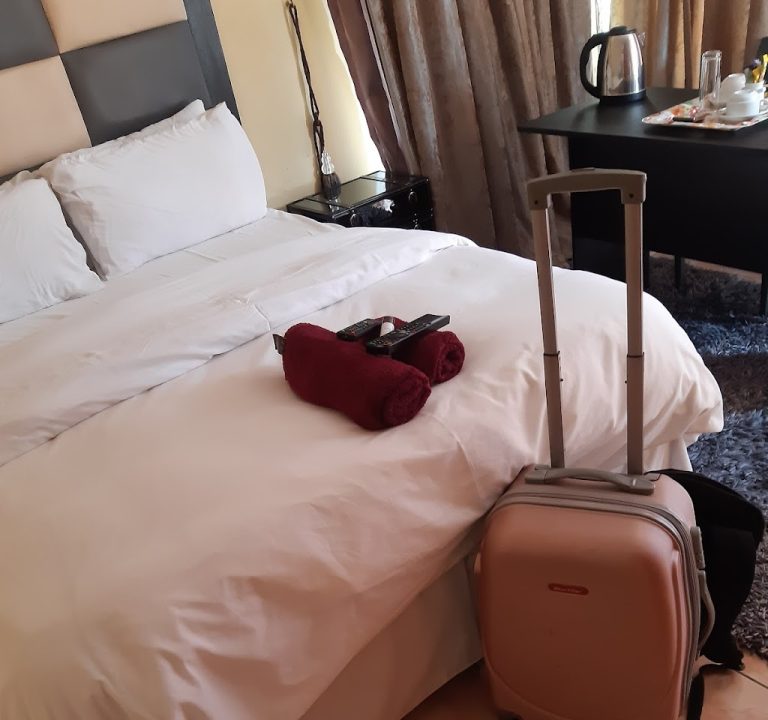
Accommodation in Polokwane tends to vary in style and price, from intimate guest houses to comfortable hotels and self‑catering lodges. A typical guest house may offer en‑suite bedrooms, daily housekeeping, and a shared dining area or courtyard. Some properties provide communal lounges, a pool, or garden spaces that are perfect for relaxing after a day of exploration. Self‑catering options may include kitchen facilities and living areas, offering flexibility for families or longer stays. When booking, confirm what is included in the rate—breakfast, satellite television, Wi‑Fi, and parking are common inclusions, while access to a pool, gym, or business facilities may be additional.
For guests with particular interests, there are accommodation choices that emphasise a warm, locally minded experience. Independent guest houses and boutique lodges often highlight personal service, with hosts who can offer practical tips on the best markets to visit, or book tours to nearby natural areas. If you are travelling with a vehicle, you’ll typically find on‑site parking or nearby street parking, and some properties may have shaded parking for longer stays. It is wise to read recent guest reviews for notes about noise levels, the reliability of Wi‑Fi, and the availability of hot water during peak periods.
Attractions and experiences in Polokwane generally centre on the city’s markets, museums and local dining scene, with a gateway to the wider Limpopo region. You can expect to encounter shops and stalls selling African crafts, fresh produce, and regional delicacies, alongside parks and open spaces ideal for a stroll or a family outing. Dining in Polokwane ranges from casual eateries serving traditional dishes to contemporary restaurants focusing on modern flavours. For a balanced visit, you might plan a morning market crawl, an afternoon museum or cultural venue, and an evening meal at a local restaurant that reflects the area’s culinary strengths. If you are seeking natural experiences, day trips to nearby nature reserves or wildlife destinations can be arranged through your guest house or hotel, with hosts offering guidance on the best times to visit and how to organise transport.
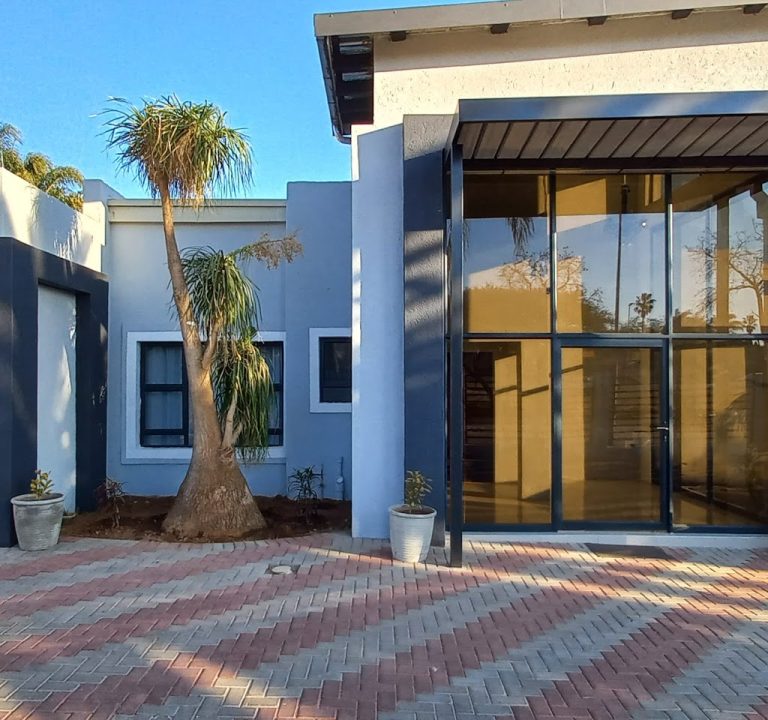
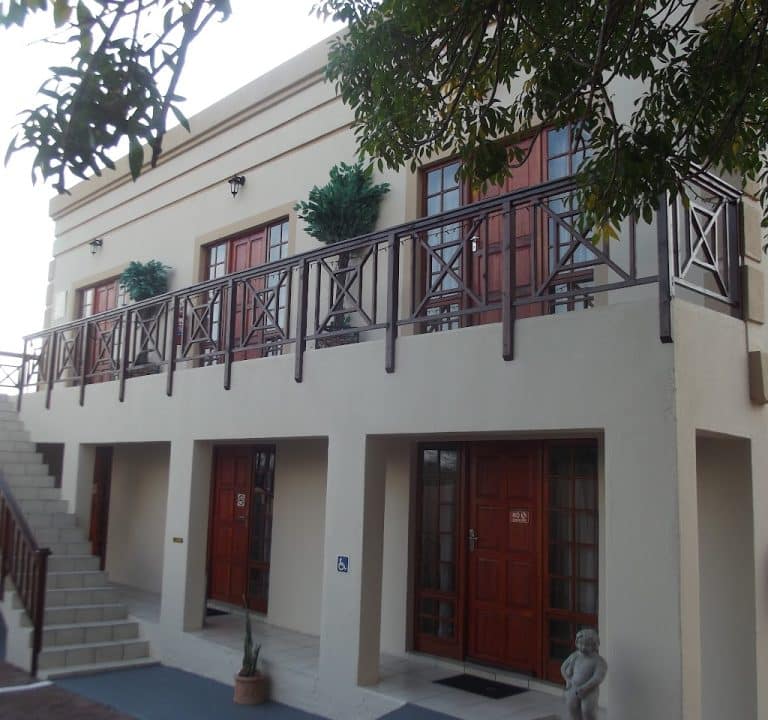
One example of a welcoming stay in Polokwane is Founa Lodge and Guest House. The property presents itself as a guest house option that can combine comfort, privacy, and practical proximity to city amenities. For guests considering this or similar places, visiting the official site can provide up-to-date information on room configurations, available facilities, and linked local experiences. You can explore further details and booking options at founaguesthouse.com.
Practical tips for planning your stay in Polokwane:
- Book in advance for peak travel periods and school holidays to secure your preferred area and room type.
- Prioritise properties with secure parking, a reliable Wi‑Fi connection and clear access to your planned activities.
- Check cancellation policies and whether breakfast or other meals are included in the rate.
- Ask hosts about local market timings, transport options and safety tips for evening outings.
- Prepare for warmer days: light clothing, sun protection and hydration are useful for daytime exploration.