Jeffreys Bay: Accommodation and Experiences for a Coastal Stay
Jeffreys Bay in the Eastern Cape is famed for its long white sandy beaches, consistent surf breaks, and a relaxed coastal vibe that suits both quick weekend getaways and longer escapes. When planning a stay, neighbouring areas such as Aston Bay, Waves End, and the town centre offer a mix of guesthouses, motels, self‑catering apartments and boutique lodges, each with their own character. The town’s laid‑back atmosphere, friendly local scene and easy access to the coast make it a practical base for exploring the wider region, including nearby nature reserves and marine attractions.
Accommodation options range from affordable motels and guesthouses to more private self‑catering cottages. A practical starting point is to think about how you want to spend your days: if you plan to surf or beach‑hop, a property within easy walking distance to the main beaches can save you time in the mornings. If you prefer a quieter retreat with a garden or balcony, consider a lodging a short drive from the beachfront but well connected to local cafés and shops. For example, a modest motel in Jeffreys Bay might offer a simple and convenient base with inclusive basics such as parking, Wi‑Fi, and breakfast options, while boutique guesthouses may provide more customised service and a homely ambience.
When choosing where to stay, consider the following areas:
- Near the main beaches for beach access, sunrise walks, and easy surf spotting.
- Around the town centre for handy access to shops, cafés, and weekly markets.
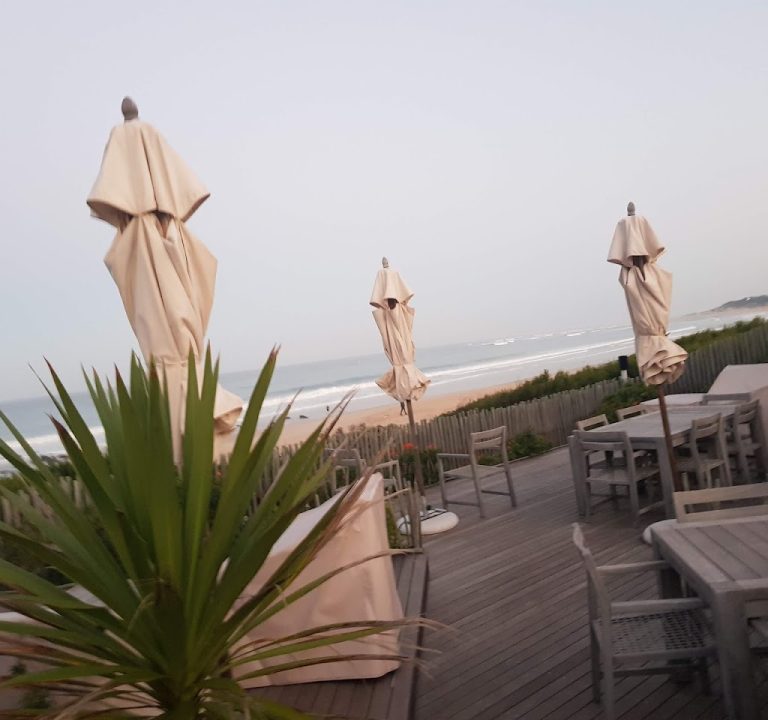
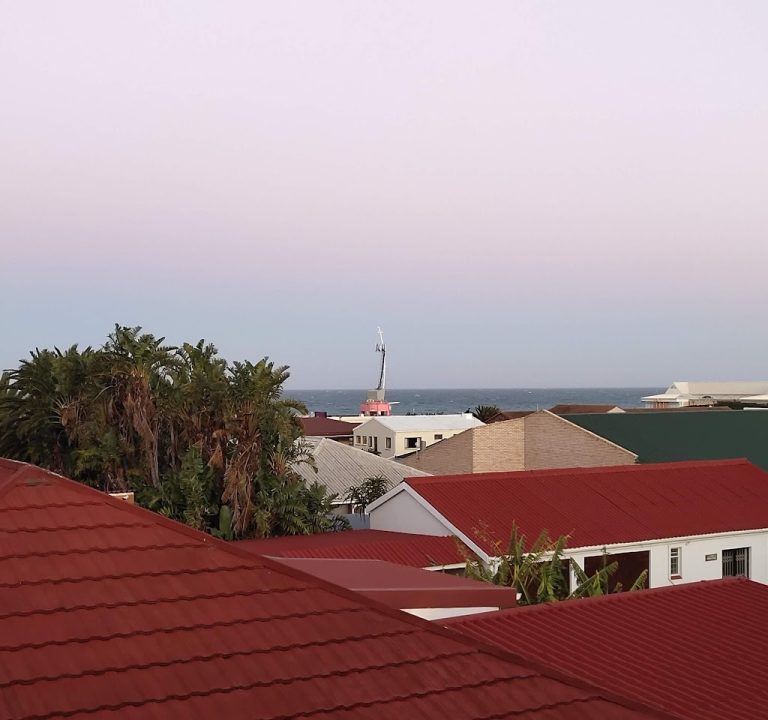
- Aston Bay or quieter bayside streets for a calmer, more residential feel and sea views.
- Car‑friendly pockets that offer off‑street parking and straightforward routes to the N2 for day trips.
Typical amenities to look for include secure parking, reliable Wi‑Fi, clean communal spaces, and clear access to kitchens or guest dining areas. For families, check that rooms or cottages have appropriate configurations, such as separate sleeping areas, a kitchenette, and child‑safe surroundings. For surfers, quick access to outdoor showers, rinse facilities, and racks for boards can be very convenient. If you value sustainable travel, look for lodgings that promote recycling, conserve water, or support local suppliers in breakfast or snack offerings.
Transport in Jeffreys Bay is straightforward but planning ahead helps. The town is walkable in parts, and many guesthouses offer airport or station transfers or can arrange local taxis. If you are reliant on public transport, it is worth confirming timetables and pick‑up points in advance, especially for day trips to nearby coastal towns or inland reserves. A car is often the most practical way to explore the broader region, giving you flexibility to visit beaches at different times of day, or to venture to scenic viewpoints and lesser‑visited coves.
The best time to visit Jeffreys Bay depends on your preferences. The peak surf season typically runs during the Southern Hemisphere winter and spring, when bigger swells draw enthusiasts. If you prefer warmer beach weather and calmer seas for swimming and paddling, the summer months are excellent, with long days, softer surf and plenty of opportunities to explore the coastline on foot or by bicycle. Shoulder seasons can offer a quieter atmosphere, lower accommodation rates, and mild conditions that are ideal for long coastal walks and sightseeing without the crowds.
Practical tips to help you plan your stay:
- Book accommodation with clear information about check‑in times, security, and cancellation policies, especially during peak periods.
- Read recent guest reviews to gauge current conditions, cleanliness, and responsiveness of hosts or managers.
- Think about breakfast options and kitchen access if you prefer self‑catering or want flexibility for a quick start before a day out.
- Choose a property with good access to water and shade, so you can cool down after a day on the beach, even on warmer days.
- Check proximity to surfing beaches if that is a priority, and confirm whether there are facilities such as outdoor showers and change rooms nearby.
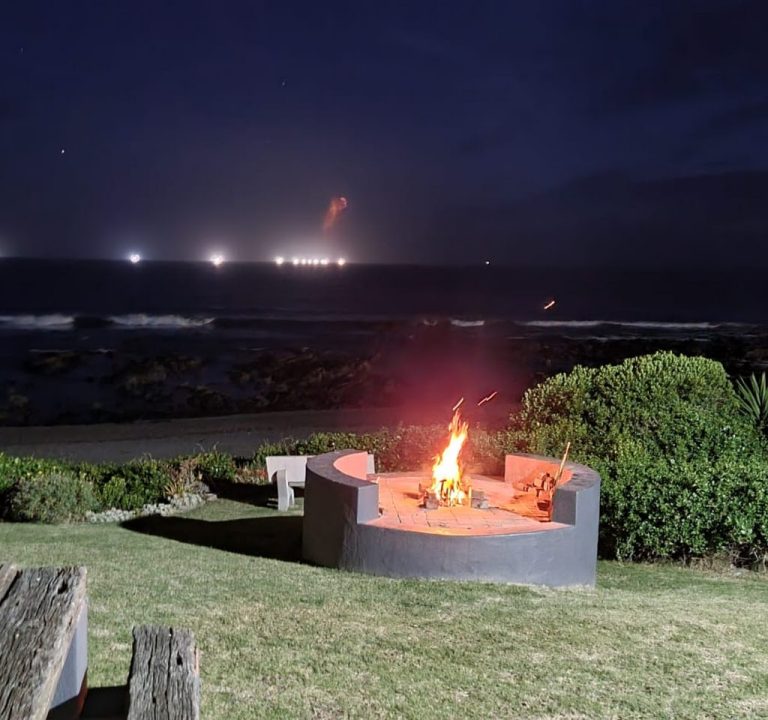
A stay in Jeffreys Bay is as much about the broader coastal experience as it is about a place to sleep. In addition to beaches, you can expect a relaxed dining scene with casual eateries, seafood options, and local cafés that prioritise fresh, simple ingredients. While the town is known for its waves, you don’t have to be a surfer to enjoy the ambience: long walks along the shoreline, sunrise or sunset views, and waterfront strolls are highlights in their own right. Dining choices typically range from light meals and coffee stops to more substantial menus featuring regional produce.
When planning barriers‑free access and a smooth itinerary, consider booking a base with easy transport links to key attractions. Although many visitors prefer to hire a car for flexibility, organised day tours or shared transfers can also provide convenient ways to reach nearby reserves, viewpoints, and other coastal towns. With thoughtful planning, Jeffreys Bay offers a balanced blend of comfortable accommodation and engaging activities, making it a rewarding destination for wave riders, beach lovers, and travellers seeking a relaxed South African coastal escape. For inspiration, you can explore suggested itineraries and local experiences through reputable travel websites, or contact accommodation providers directly for tailored recommendations and local tips.
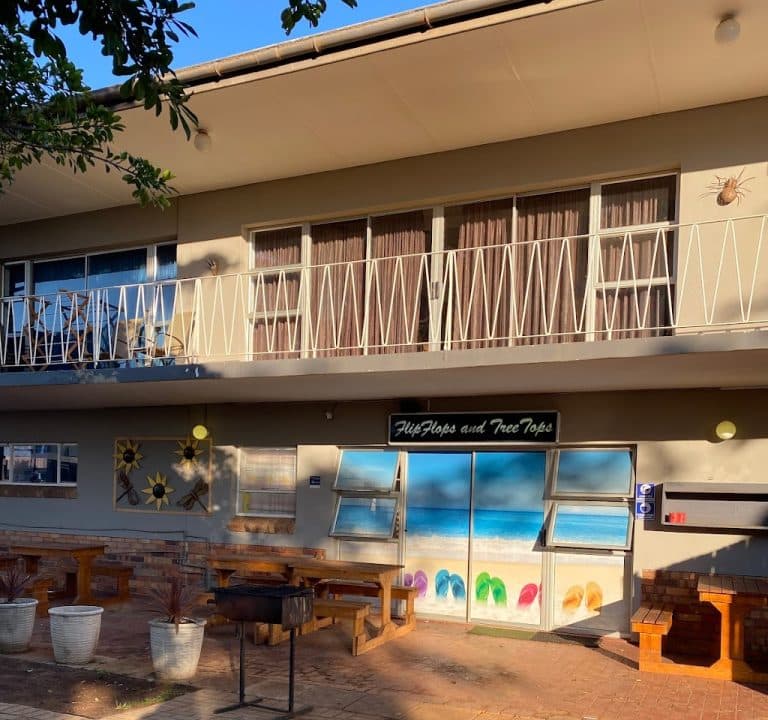
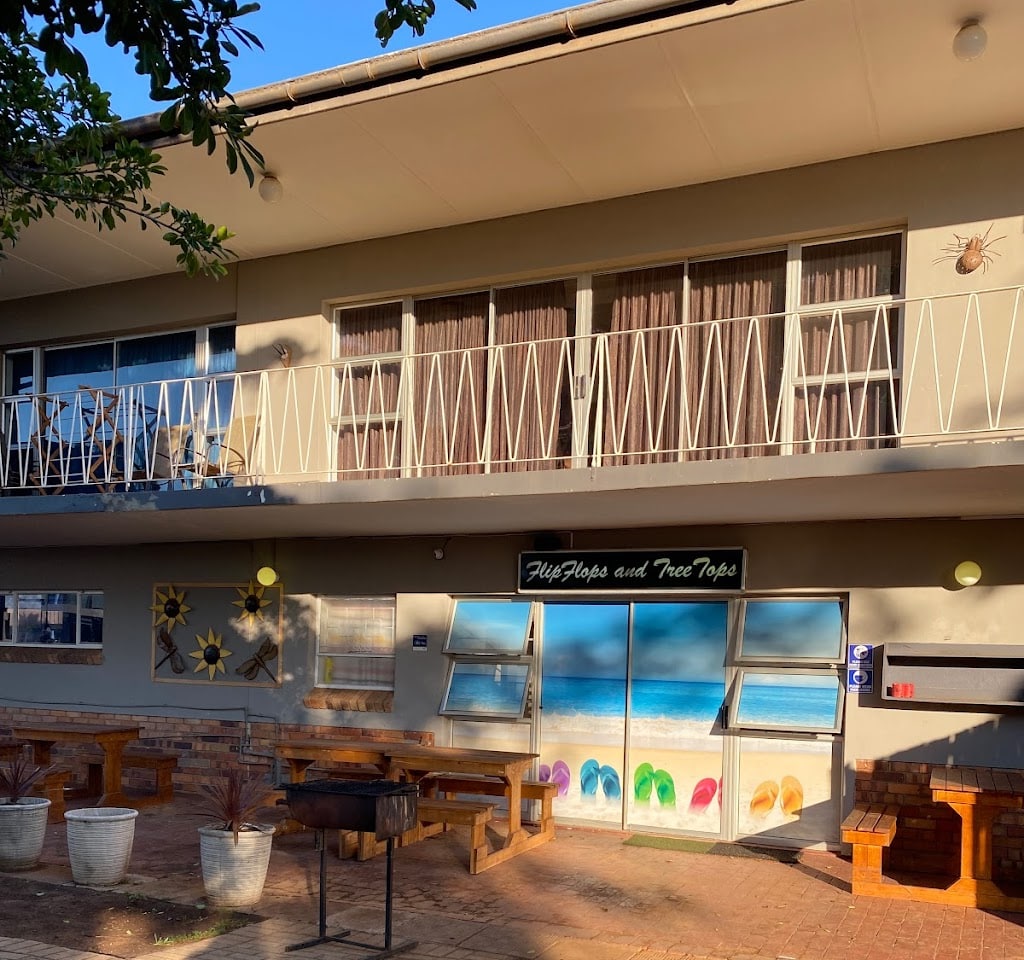
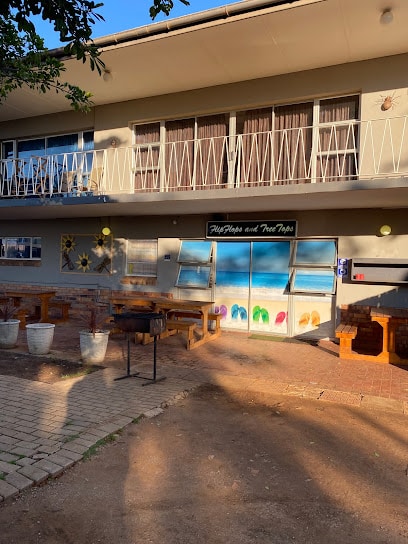
Note: Flipflops and Treetops is one example of a place to consider when researching options in Jeffreys Bay. While details vary by season and availability, such accommodations can provide a straightforward, comfortable stay that supports an easy and enjoyable visit to the area.