Accommodating a stay in Eshowe, KwaZulu-Natal: where to stay, what to do, and how to plan
Set high on a plateau in the Zululand hinterland, Eshowe is a gateway to the region’s rich history, lush landscapes and wildlife-watching experiences. When planning a visit, consider staying in the town centre for convenience, or choosing a lodge or guesthouse on the outskirts to enjoy more expansive views and easier access to surrounding nature reserves. A well-chosen base can help you balance downtime with exploration, from canopy walks to cultural sites, while keeping travel time to a minimum for day trips into the wider Zululand area.
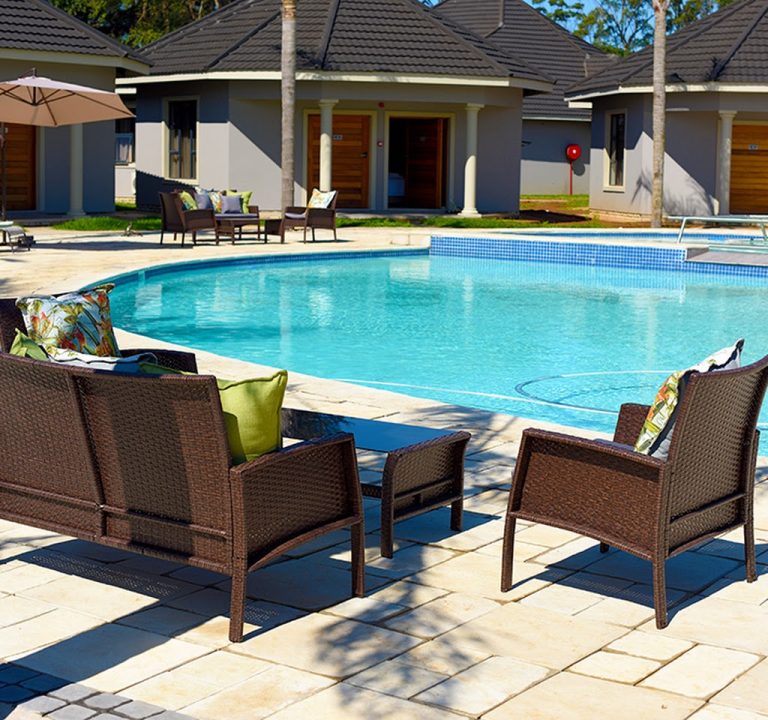
Accommodation options in Eshowe tend to cover a range of styles, from intimate guesthouses and B&Bs to more substantial lodges and self-catering units. A popular local option often described in guest literature is a guest lodge that emphasises comfortable indoor lodging with easy access to the town’s amenities. In general, look for properties that offer secure on-site parking, welcoming reception spaces, and clear information about nearby activities. If you prefer a more private setting, self-contained units or cottages provide the flexibility to prepare some meals and come and go as you please without the rigidity of restaurant timetables.
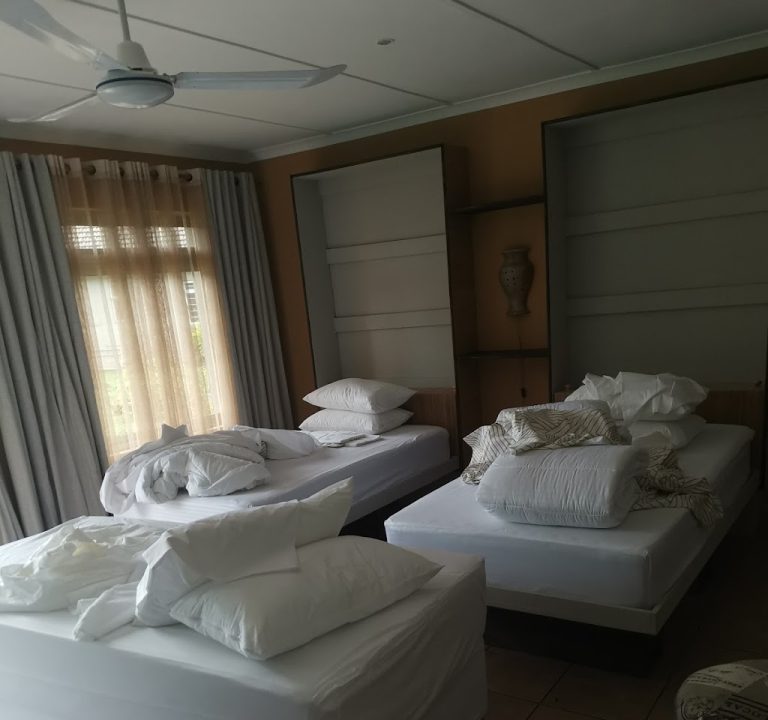
Typical amenities to look for include en-suite bathrooms, air conditioning or fans for warm Nil temperatures, reliable Wi‑Fi, and wholesome breakfast offerings or self-catering facilities. Many establishments also provide a communal lounge or veranda where you can relax after a day of sightseeing. If you are travelling with family or a group, ask about interconnected rooms, extra beds, or kitchen facilities. For longer stays, in-room workspaces and laundry access can be particularly valuable. When booking, consider the layout and accessibility features, especially if mobility is a concern.
Transport in and around Eshowe is most straightforward with a car, which offers the freedom to explore the surrounding plains and forested areas at your own pace. Road connections link Eshowe to nearby towns and attractions, though public transport options are more limited. If you do not drive, check with your accommodation about arranging transfers, or consider private or organised day tours that include collection and drop-off. Proximity to Dlinza Forest Reserve and Fort Nongqayi Museum can be a practical advantage, allowing you to combine morning walks with cultural visits before returning to your base for a relaxed afternoon.
The best time to visit Eshowe depends on what you want to experience. The winter months (June to August) can be mild and comfortable for outdoor exploration, while spring and autumn offer pleasant temperatures for walking and photography. Summer brings warmer days and occasional rain, which can enrich the landscape but may require lightweight rainwear. If you’re chasing wildlife sightings in surrounding reserves, plan day trips during daylight hours and reserve early bookings for popular lodges or guesthouses in peak periods.
When planning a stay, a few practical tips can make a big difference. First, contact your chosen accommodation in advance to confirm access times and any dietary requirements or special requests. Check whether towels, toiletries, and daily room servicing are included, as some smaller properties operate on a minimal service model. Pack comfortable walking shoes, a hat, sun protection, and a light waterproof layer for sudden showers. If you plan to visit forest areas, wear long sleeves and trousers to protect against plants and insects, and carry water for hikes. Security is important in rural towns; use the on-site safe, lock up valuables, and follow local advice about safe neighbourhoods and times to be out after dark.
Beyond the hotel or guesthouse, Eshowe offers attractions that blend nature, history and culture. In general terms, you can expect lush natural spaces such as forest reserves with elevated boardwalks, allowing easy, accessible views of birds, butterflies and forest habitats. Cultural sites and museums shed light on the area’s colonial and Zulu heritage, offering helpful context for visitors. For dining, there are several restaurants and eateries in and around Eshowe that provide casual meals and regional flavours, from traditional dishes to lighter cafe fare. It’s common to find bakeries, markets and cafés where you can sample local produce and light meals without needing to travel far from your base.
- Book accommodation with clear cancellation terms and a detailed description of room types.
- Choose a base that suits your pace: town-centric convenience or countryside quiet for longer downtime.
- Check access to airport transfers or hire cars, and whether day tours can be arranged through your host.
- Plan light, practical packing: layers for variable weather, sun protection, and insect repellent.
- Allocate time for both nature experiences and cultural insights to get a well-rounded stay.
For a balanced itinerary, combine a couple of mornings exploring the local forest and reserves with afternoons spent in the town enjoying a relaxed meal or visiting museums. If you prefer guided experiences, look for tours that offer a mix of nature walks, cultural storytelling, and scenic drives to nearby viewpoints. A well-planned stay in Eshowe can be a comfortable base from which to discover KwaZulu-Natal’s inland treasures while keeping daily travel straightforward and unhurried.