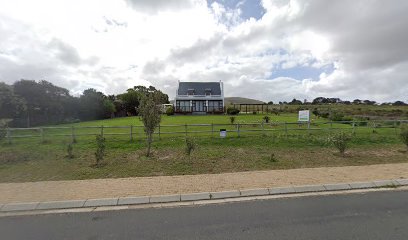
Baardskeerdersbos: accommodation, attractions and planning tips for a rural Western Cape escape
Baardskeerdersbos (often shortened to B’bos) is a serene enclave in the Western Cape, famed for its wildflower displays, rolling fynbos landscapes and a slow-paced village atmosphere. A stay here lends itself to a mix of rustic charm, agrarian hospitality and easy access to the broader Overberg countryside. When planning a visit, consider staying in or near the village to soak up the unique mood, while keeping an eye on seasonal weather, road conditions and the occasional agricultural rhythm that shapes rural life.
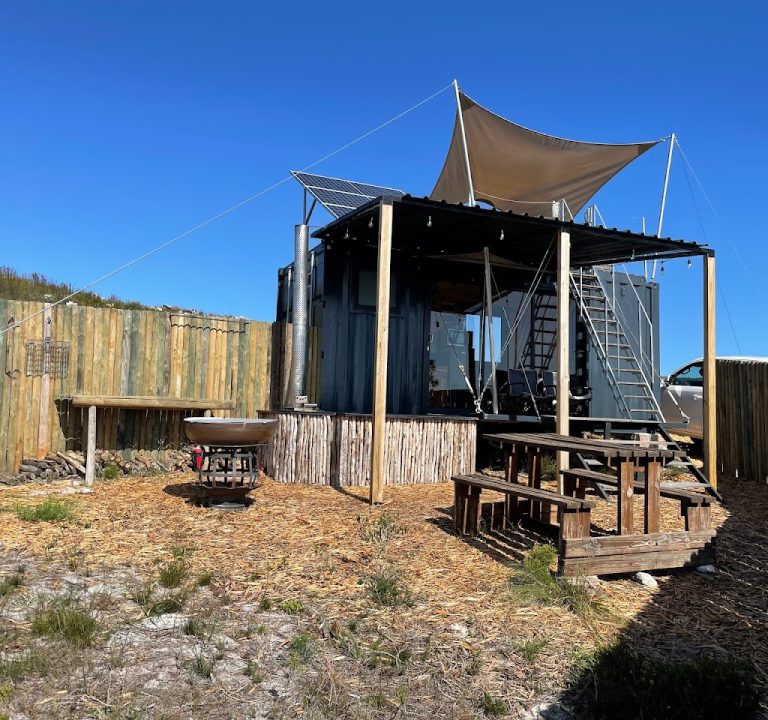
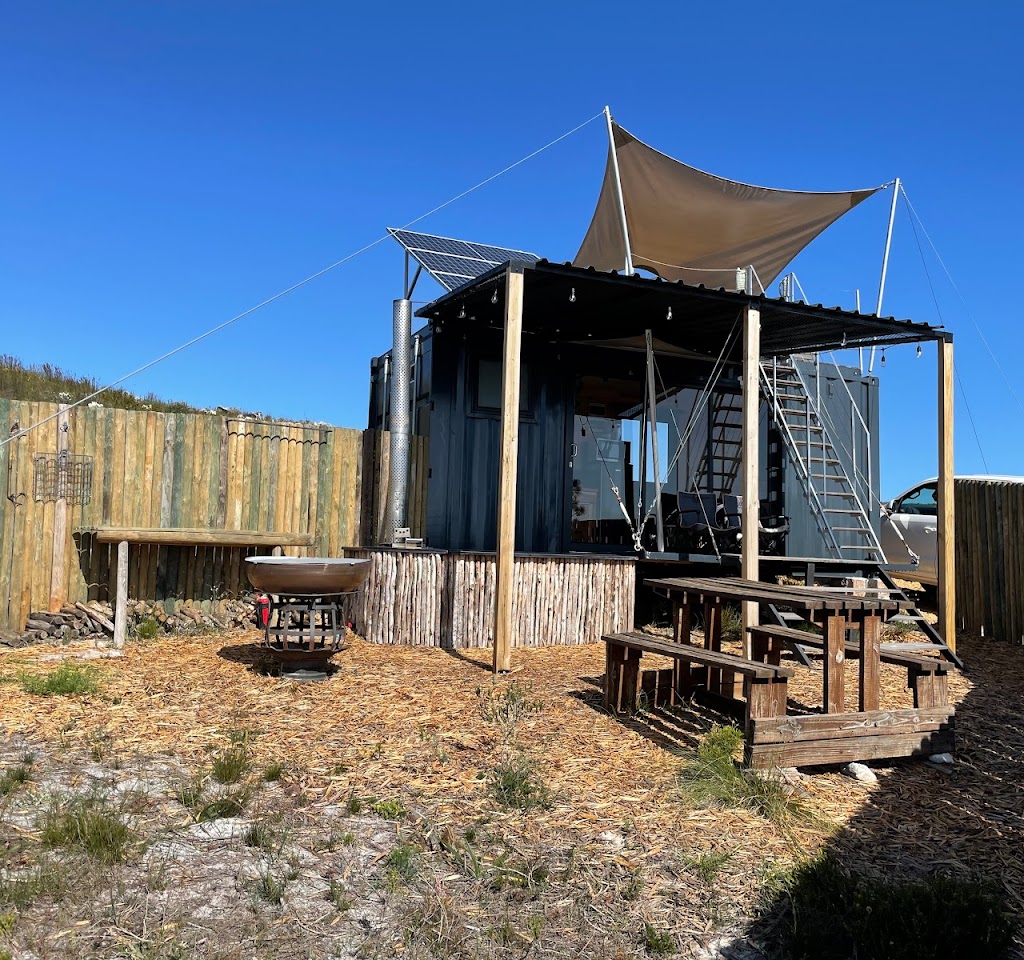
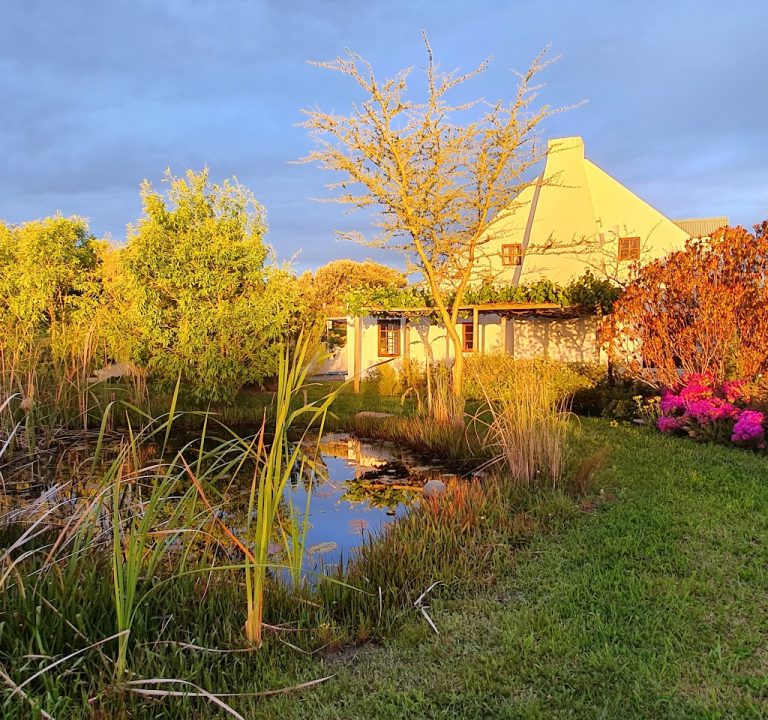
Accommodation options in and around Baardskeerdersbos tend to be intimate, personably run and aligned with the surrounding environment. Expect characterful mountain cabins, small guesthouses, self‑catering cottages and farm stays that emphasise privacy and a gentle immersion in nature. Typography of rooms is often simple yet well appointed, with a focus on comfort after a day of wandering or exploring the surrounding trails. Some properties offer larger communal spaces for families or small groups, while others prioritise a cosy one‑or two‑person retreat for couples seeking romance or quiet contemplation. Booking well in advance during peak wildflower seasons is advisable, as demand can rise quickly for the area’s natural beauty.
Areas to consider when choosing where to stay include: the village core for convenience, where cafés and local galleries provide a human scale experience; a hillside or valley position for sweeping views and a sense of remoteness; and farmyard or estate settings where guests can observe agricultural routines or stableyard activities. Proximity to the gravel or minor paved roads may influence travel times if you plan day trips to neighbouring towns, nature reserves or coastal spots. If you value starry nights and immediate access to quiet footpaths, a cabin or cottage on a smallholding near the village may be ideal. For those who want a longer, leisurely itinerary, look for properties with flexibility on check‑in times or hosts who can share personalised local itineraries.
What to look for when booking includes: a clear description of the type of accommodation (self‑catering, B&B, or full service), the level of cleaning and maintenance, and whether meals are offered on site or nearby. Check for essential amenities such as reliable heating or cooling, hot water, good bedding, private or en‑suite bathrooms, and ample outdoor space. If you anticipate outdoor activities, confirm the availability of secure parking, easy access to trails, and gear storage. Establish whether there are quiet hours, check‑in procedures, and any shared spaces you should respect. A responsive host or property manager can make a significant difference, especially in a remote setting where local recommendations can elevate your experience.
Typical amenities found in this part of the Western Cape may include well‑fitted kitchens or kitchenettes, wood stoves or braai facilities for outdoor cooking, and gardens or verandas that invite wildlife spotting. Some properties provide bicycles or basic outdoor equipment for guests to enjoy the surrounding countryside. Wi‑Fi may be variable in rural settings, so plan for occasional connectivity gaps if you rely on online research or streaming. Consider the seasonality of the area: spring is famous for blossoms and wildlife, summer brings long days, autumn can bring cooler evenings, and winter can be quiet and restorative with crisp mornings. Packing layers, a good pair of walking shoes and a camera to capture the landscape is a smart approach.
Transport in Baardskeerdersbos is typically based on private vehicles. The village sits within a reasonable driving distance of the coastal towns and the N2 corridor, so a hire car provides the most flexibility for day trips to nearby reserves, beaches and farm stalls. If you are visiting with limited mobility or prefer not to drive, check whether your host can arrange a local transfer or recommend a trusted driver. Basic satnav should work for the main routes, but some rural lanes may be narrow or winding; having a map or offline navigation can be helpful during arid, windy, or foggy conditions.
The best time to visit Baardskeerdersbos tends to be during late winter to spring when the wildflowers bloom and the landscape comes alive with colour and scent. However, the area is appealing year‑round for those seeking tranquillity and starlit skies. If you are drawn to birdlife, fynbos flora and scenic walks, align your stay with favourable weather windows and longer days. For food and drink enthusiasts, plan a stay around local farmers’ markets or pop‑up culinary events if available, but be prepared for limited opening hours outside peak seasons.
Practical tips for a smooth visit:
- Book flexible accommodation where possible in case you wish to adjust your stay to changing weather or seasonal light.
- Bring sturdy footwear for uneven trails and careful sun protection for open landscapes.
- Respect rural life by observing farm practices and taking care on private driveways or farmyards.
- Check local regulations or access notes for nature reserves and protected areas; some trails may require permissive access or guide arrangements.
- Plan a day trip to nearby coastal towns or wine‑growing areas to diversify your itinerary, while leaving room for unscripted discoveries in the countryside.
- Consult official tourism resources for up‑to‑date information on trails, seasonal closures and events; local visitor information boards can be particularly helpful.
For practical inspiration and planning, you can explore broader regional resources such as the Western Cape’s tourism information pages. While in the area, you can also discover general visitor guidance on finding quiet places to stay, wildlife viewing etiquette, and seasonal highlights that enhance a rural South African escape. Baardskeerdersbos offers a gentle, restorative counterpoint to busier coastal towns, inviting guests to slow down, observe, and enjoy the landscape at a human pace. More information about regional travel in the Western Cape can be found at official tourism portals and related travel sites.