Accommodation and attractions in Luthuli, KwaZulu-Natal: planning a memorable stay
Luthuli in KwaZulu-Natal offers a tranquil retreat within reach of both rural scenery and the province’s vibrant coastal landscapes. When planning a stay in this region, consider a mix of homestays, guesthouses and small lodges to experience authentic Southern African hospitality alongside convenient access to regional sights. The area is well suited to visitors who favour a slower pace, refreshing country air and the chance to encounter local communities and traditions.
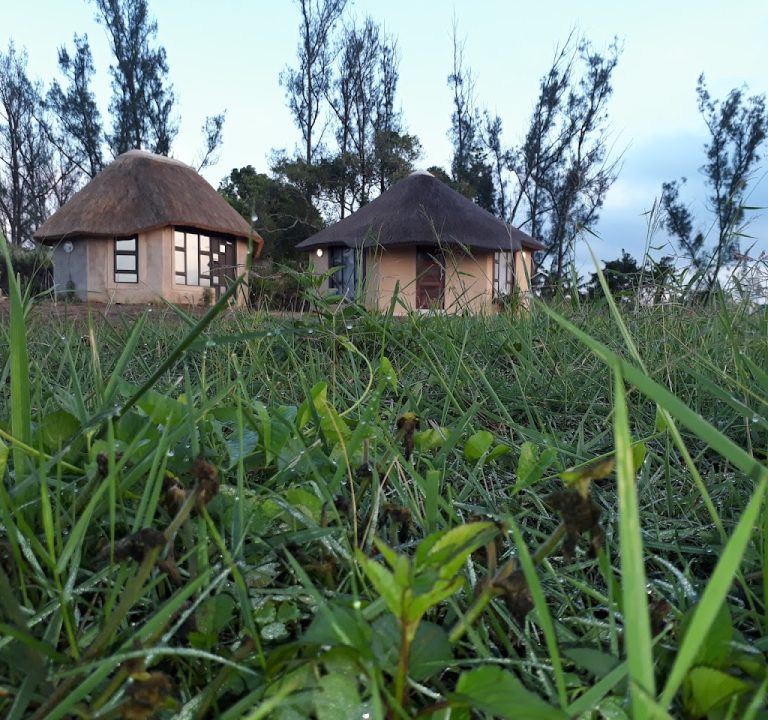
Where to stay is a key decision. Luthuli covers a broad rural belt and neighbouring towns, so it helps to choose a base that aligns with your itinerary. If your priority is immersion in local life and approachable budgets, a homestay such as Fihlela Residence can offer a warm, community-led experience with opportunities to learn about daily routines, regional customs and local crafts. For travellers seeking more privacy or smaller, intimate spaces, look for guesthouses and small lodges that emphasise straightforward comfort and friendly service. When selecting accommodation, think about distance to your planned activities, road conditions in wet weather, and whether the property offers self-catering facilities or a daily housekeeping service.
Areas to consider within and around Luthuli include rural villages and the nearby towns where you’ll find easy street-access, local eateries, and markets. A practical tip is to map a rough route that links your lodging with the day’s planned activities, so you minimise backtracking and maximise your time outdoors or exploring cultural sites. If you are visiting during harvest seasons, you may encounter seasonal farm activities or local markets that offer a glimpse into agricultural life in KwaZulu-Natal.
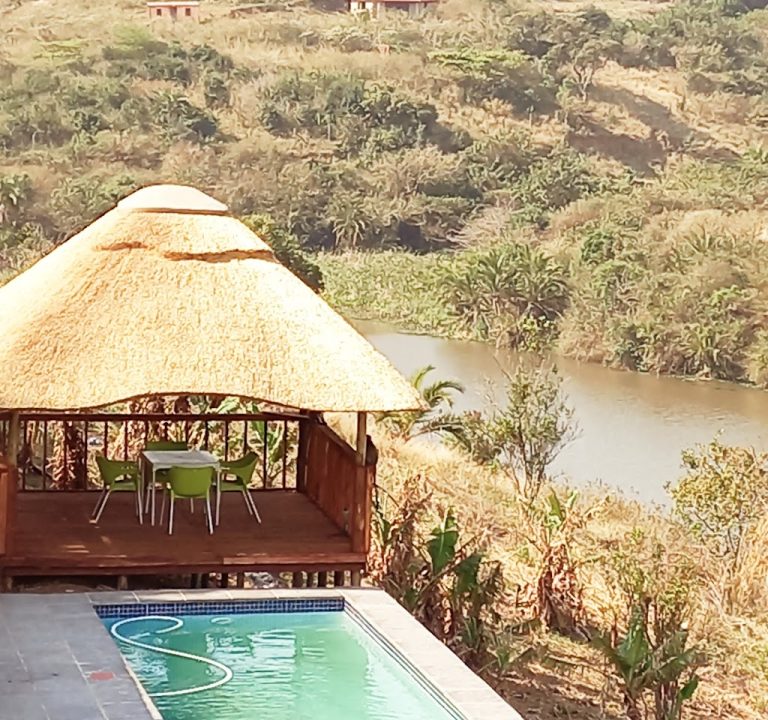
Typical amenities you might expect include comfortable beds with quality linen, hot water and reliable showers, and adequate storage for clothing and belongings. Some homestays may offer breakfast or light dinners prepared from locally sourced ingredients, providing a flavourful, home-cooked introduction to the region. Other properties may feature a shared lounge or outdoor seating area, a small garden, and parking conveniences for those travelling by car. Wi‑Fi is common in guesthouses and lodges, though some rural locations may prioritise off-grid or low-tech options for a quiet stay. Always confirm what is included in the rate—cooking facilities, laundry access, and the availability of a private or shared bathroom—before you book.
Transport is a practical consideration. A car is usually the most convenient way to explore Luthuli and the surrounding districts, offering flexibility to visit villages, markets and scenic viewpoints at your own pace. If you’re relying on public transport, check the proximity of bus routes or local shuttles to your chosen base, and be prepared for longer travel times. For day trips, plan to set off early in the morning to maximise your time for outdoor activities, photography, or community visits, especially in the dry winter months when mornings can be cool and clear.
The best time to visit KwaZulu-Natal varies with the activities you enjoy. The region benefits from a warm climate most of the year, but summer thunderstorms can affect outdoor plans, while winter offers cooler days and crisp nights. If you’re keen on outdoor pursuits, spring and autumn generally present pleasant temperatures for countryside walks, birdwatching and village exploration. For visitors interested in cultural experiences and markets, align your stay with community events or seasonal celebrations that may be held in nearby villages. When planning, always check weather patterns for the time of year and build some flexibility into your daily plans.
What to do and see, in general terms, includes exploring nature reserves or nature trails to enjoy the Zulu heartland’s landscapes, perhaps with a guided walk that highlights local flora and wildlife. Cultural experiences—such as visits to nearby villages, craft markets, and performances—offer authentic insights into regional traditions and daily life. Dining options range from simple, home-style meals at homestays to small local eateries where you can sample familiar staples and regional twists. For a evening out, look for venues that offer relaxed atmospheres with traditional music or dance performances, where available. While specific attractions and restaurant names can change, you’ll generally find a warm welcome and a chance to engage with local hosts and fellow travellers.
- Choose accommodation with a clear plan for your daily itinerary and reasonable access to roads and transportation.
- Clarify what meals are offered, whether self-catering facilities are available, and the room configuration (ensuite or shared facilities).
- Ask about water and electricity arrangements, particularly in rural areas where outages or load shedding can occur and some properties rely on generators or solar power.
- Inquire about parking, pet policies if relevant, and late check-in arrangements if you expect to arrive after dark.
Practical tips to make your stay smoother include packing a compact first-aid kit, a light waterproof jacket, and appropriate footwear for rural paths. Bring a reusable water bottle and use sunscreen and insect repellent as needed. Respect local customs and community guidelines when visiting villages or attending cultural activities, and always seek permission before taking photographs of people or private spaces. By planning in advance, balancing comfort with a touch of immersion, and keeping a flexible attitude, a stay in Luthuli can be a rewarding gateway to KwaZulu-Natal’s warmth, scenery and heritage.