Where to Stay and What to Do in Franschhoek: A Guide to Accommodation, Attractions and Local Delights
Franschhoek, tucked into the spectacular winelands of the Western Cape, offers a charming mix of intimate guesthouses, boutique hotels and country inns. Planning a stay here means balancing restful, scenic moments with easy access to outstanding food and world‑class wine experiences. The village core is compact and walkable, but many visitors base themselves on the surrounding hillside estates for a touch more seclusion and panoramic views.
Accommodation in Franschhoek tends to fall into three broad categories. Boutique guesthouses and cosy inns near the village centre prioritise character, refined service and easy strolls to restaurants and shops. Country‑house hotels and vineyard estates provide a restful atmosphere, larger grounds and often on‑site dining and wellness facilities. Self‑catering cottages and family‑friendly lodges offer flexibility for groups and longer stays. When booking, look for thoughtfully appointed rooms, a reliable breakfast option, and staff who can tailor recommendations to your interests—whether you’re seeking a wine‑toched itinerary, a culinary focus, or a relaxing spa day.
Areas to consider include the village hub, where many properties are within a short walk of eateries, galleries and the main square. If you prefer quiet and views, consider estates perched on the slopes above the village, which usually come with terraces, private pools or hot tubs. For those prioritising privacy and vineyard ambience, look for a farm‑style property slightly further afield, balanced with convenient transport options to the town centre.
What to look for when booking comes down to a few practical details. Check whether the accommodation has secure parking if you’re exploring by car, climate control for hot summers or cooler evenings, and a flexible cancellation policy. In high season,BOOK early to secure a preferred room type, as popular properties can fill quickly. Evaluate the included breakfast and dining options—many places offer a petit‑déjeuner with seasonal ingredients, and some have on‑site restaurants or partnerships with nearby venues. If you’re visiting with family or friends, confirm whether rooms are en suite and whether there are communal spaces for evenings in after a day of sightseeing.
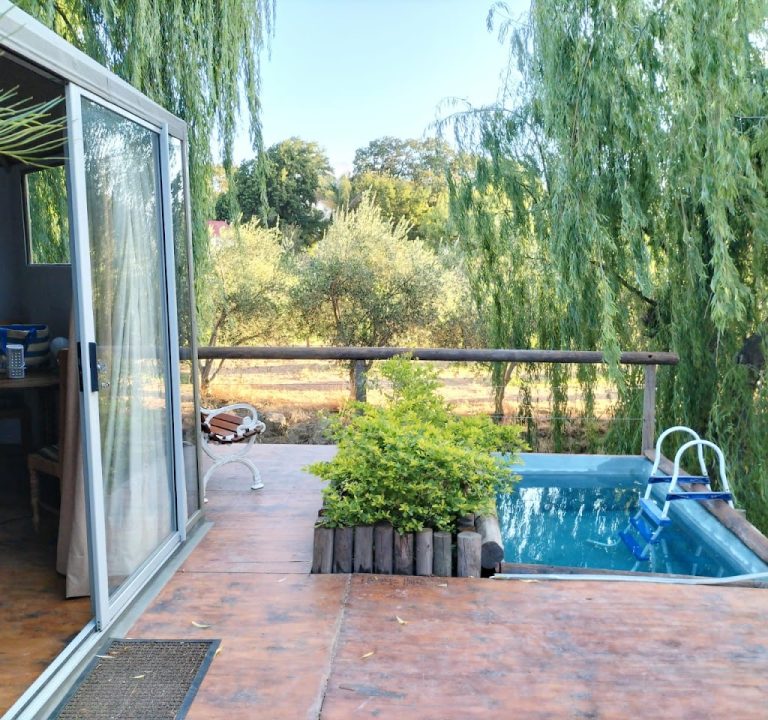
Typical amenities in Franschhoek’s thoughtfully run properties include outdoor pools or hot tubs, landscaped gardens, and terraces designed for sunrise or sunset moments. Soft‑furnished common areas, in‑room minibars with local wines, and personalised recommendations from hosts are common touches that enhance a stay. Wi‑Fi reliability, luggage storage, and easy access to tourist information can also make a difference, particularly if you’re planning day trips to nearby wine estates or countryside walks.
Transport and getting around are elements worth planning. A car provides the most flexibility for exploring vineyards, farms and scenic viewpoints at your own pace. Many guests use the village as a base and take day trips to nearby towns or wine routes. If you prefer not to drive, check whether your accommodation can arrange shuttle services or private transfers, or plan to use taxis or rideshare options for longer winery visits. Walking is pleasant in the village, where you’ll find galleries, bakeries and cafés along the quaint lanes, but a car remains handy for tastings on the outskirts.
Best time to visit Franschhoek is tied to the harvest calendar and the weather. Spring (August to November) brings blossoms and mild days ideal for outdoor tastings and wandering the vineyards. Autumn (March to May) is harvest season for many estates, with quieter streets and a resonant golden light over the valley. Summer is sunny and lively, with long days and bustling cafés, while winter offers cooler temperatures, cosy hearths and the chance to savour hearty menus indoors. Pack versatile layers, sun protection, and comfortable footwear for vineyard paths and cobbled lanes.
When it comes to attractions and experiences, Franschhoek is renowned for its wine heritage and culinary flair, but there’s more to explore beyond the tasting rooms. The village hosts galleries and shops that reflect a refined local culture, while scenic walks along the valley and river offer refreshing downtime. For a meaningful day out, you can consider visiting organisations and attractions that focus on conservation and education about regional farming and wildlife. For example, Farm Sanctuary SA provides opportunities to learn about animal welfare in a rural setting and can be a thoughtful addition to a visit if you’re looking for a contrasting experience to winery visits. More information about Farm Sanctuary SA can be found on their website: https://www.farmsanctuarysa.org/
Dining in Franschhoek is a highlight in itself. While exact menus and prices vary seasonally, you can expect to find refined tasting menus, bistro‑style lunch spots, and casual cafés that emphasise fresh, local ingredients. Many accommodation providers offer recommendations or booked dining experiences, which can be convenient when you want to sample a sequence of courses or pair meals with local wines. For a relaxed evening, look for properties that provide intimate dining areas or easy access to a handful of reputable restaurants within walking distance of the village centre.
- Consider a mix of a central residence for convenience and a vineyard‑view property for scenery and downtime.
- Book ahead for high season and harvest periods to secure preferred rooms and dining options.
- Leverage local knowledge from hosts for personalised wine routes, tastings, and scenic walks.
- Plan transport in advance if you intend to visit multiple estates or travel further afield.
- Balance museum, gallery, and nature activities with time to simply wander Franschhoek’s picturesque streets.