Cape Town: Accommodation, Attractions and Planning Your Stay
Cape Town is a showcase of coastal drama, mountains and neighbourhood character, offering a broad spectrum of places to rest your head after a day of exploring. When planning a stay, consider the mix of scenery, access to transport, and the vibe you want from your base. From modern self-catering units to intimate guesthouses and stylish boutique hotels, there is an option to suit most budgets and itineraries.
Accommodation in Cape Town tends to cluster around a few distinctive neighbourhoods, each with its own flavour and proximity to must-see sights. The City Bowl/Lateen core is convenient for exploring museums, markets and the V&A Waterfront. The Atlantic Seaboard, including Camps Bay and Clifton, is prized for sea views and sunset strolls, while neighbourhoods such as Green Point and De Waterkant offer a quick hop to the harbour and major transport routes. Constantia appeals to guests seeking a tranquil village atmosphere with easy access to wine estates and hiking trails, and the southern peninsula is ideal for dramatic coastal scenery and penguin-viewing at nearby reserves.
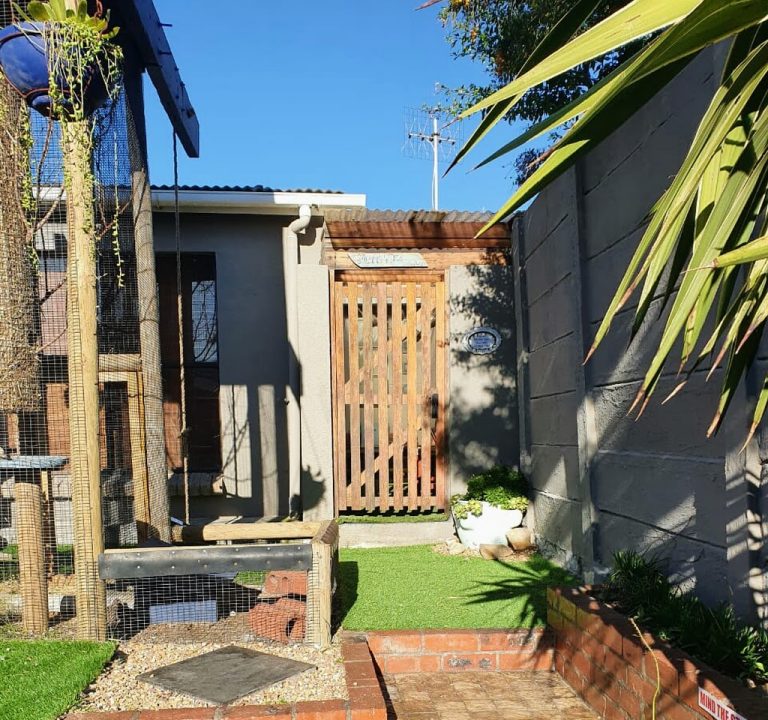
When selecting a place to stay, look for practical amenities that align with your plans. A well-equipped kitchen or kitchenette is essential for self-catering stays, particularly in Family Suite 6 Sleeper-style options, which appeal to families or groups who value independence and flexible meal planning. A comfortable living area, reliable wi‑fi, privacy, and clear check-in instructions can make a big difference to a relaxed visit. Consider whether you’ll need on-site parking, laundry facilities, or easy access to public transport for day trips around the region.
Transportation is straightforward but planning helps. Cape Town operates a convenient urban bus network and ride-hailing services. If you plan to explore the famous Cape Peninsula or the winelands, a rental car offers the greatest flexibility. For day trips to the Cape of Good Hope, Simon’s Town, or coastal hikes, some visitors prefer guided tours that bookable from hotels or guesthouses. Proximity to MyCiTi routes or major highways can save time, especially during peak hours in the city centre and Seaboard suburbs.
Typical amenities to watch for include secure access, well-equipped kitchens, comfortable bedding, heating or cooling options depending on the season, and clear housekeeping policies. If you are travelling as a family or a group, a self-catering unit or apartment with separate bedrooms can provide privacy and convenience. For shorter breaks, boutique hotels or guesthouses with inclusive breakfast can offer a welcoming start to the day, while some places may provide a light evening meal or local recommendations on request. Always check what is included in the rate—charges for parking, extra guests, or tourist taxes can affect the overall cost of a stay.
The best time to visit Cape Town depends on your priorities. For outdoor activities, spring and autumn (September to November, March to May) bring mild temperatures and fewer crowds, ideal for hiking in Table Mountain National Park or along the coastal paths. Summer (December to February) offers long days, beaches and lively Waterfront precincts, though it can be busy. Winter (June to August) brings cooler weather and occasional rain, but it can be a good time for fewer crowds and candlelit evenings in guesthouses. Whichever season you choose, plan ahead for coastal winds, especially in spring, and remember that sea swims are best when supervised and in designated areas.
Food and drink are integral to the Cape Town experience, with plenty of dining options ranging from light cafés to fine dining and vibrant markets. In neighbourhoods across the city, you’ll find casual bistros serving bread and cheeses, seafood shacks with fresh catches, and restaurants reflecting the region’s multicultural influences. When planning meals, consider local markets or markets-with-a-view where producers offer fresh produce, prepared foods, and crafts. If you prefer not to cook, look for a self-catering property that also suggests nearby eatery options or has a friendly on-site host able to share favoured local spots.
Practical tips for a smooth stay:
- Pack for the season and layers for coastal weather; mornings can be cooler than afternoons, even in summer.
- Bring a small power adaptor and consider safekeeping for valuables; many areas are busy tourist hubs.
- Respect local environmental guidelines on beaches and parks, and plan protected scenic routes to preserve natural sites.
- Check access to shops, groceries, and medical facilities, particularly if you are staying outside central districts.
In summary, Cape Town rewards thoughtful planning: choose a neighbourhood that matches your interests—city culture, coastal scenery, wine country, or wildlife—then select accommodation that offers the conveniences you value most. Whether you opt for a self-cateringFamily Suite 6 Sleeper-style setup for flexibility, a boutique guesthouse with a personalised welcome, or a well-equipped hotel that positions you close to the action, you’ll find the experience of Cape Town’s hospitality as memorable as its landscapes. For inspiration and practical planning, you can explore official tourism resources and property-specific pages to tailor your stay to your travel style.