Where to stay and what to do in Cape Town: a practical guide for visitors
Cape Town offers a diverse mix of accommodation and experiences, from intimate boutique guesthouses to modern hotels with sweeping views of the Atlantic. When planning a stay, it helps to think about your preferred neighbourhood, access to transport, and how you intend to balance city sightseeing with time on the coast or in the winelands. Whether you’re after a bustling urban base or a quieter retreat, Cape Town’s hospitality scene provides options that suit most budgets and tastes.
The city is best explored in layers: the dramatic scenery of Table Mountain and the Atlantic Seaboard, the colourful streets of Bo-Kaap and the V&A Waterfront, the leafy charm of Constantia and the tranquil farms further afield in the winelands. For many visitors, a split stay works well—shuttling between a central area for convenience and a coastal or hillside location for views and relaxation. When choosing where to stay, consider proximity to the sights you plan to visit, the ease of getting around, and the availability of on-site parking or reliable public transport links.
Accommodation in Cape Town ranges from stylish boutique guesthouses and family-run lodges to contemporary hotels and self-catering apartments. In popular districts, you’ll find properties that offer complimentary Wi‑Fi, secure parking, breakfast options, and generous access to terraces or balconies. Some properties arrange local insights, guided walks, or transfer services, which can simplify planning and add authentic touches to your stay. For guests seeking a specific experience, certain lodges and hotels emphasise sustainability, historic character, or panoramic views, while others focus on modern comfort and convenience.
A practical tip for planning: think about the best time to visit for your interests. The city enjoys mild winters and warm, dry summers. Peak tourist months tend to be December through February, when beaches and outdoor attractions are at their liveliest, but the spring and autumn shoulder seasons offer a slightly calmer pace and good overall weather. If you’re keen on wine country excursions, plan a day trip to the Constantia, Stellenbosch, or Franschhoek regions, and allocate time for return travel to Cape Town in the late afternoon or evening to enjoy sunset views over the coast.
Public transport in Cape Town is complemented by an extensive MyCiTi bus network and ride-hailing services. Many visitors find that staying in well-connected areas reduces the need for car rental. For trips further afield, including the winelands and scenic peninsulas, private transfers or organised day tours can provide reliable, hassle-free options. If you do rent a car, look for secure parking and be mindful of steep hills in some neighbourhoods and the peak traffic around the city centre and the Atlantic Seaboard during rush hours.
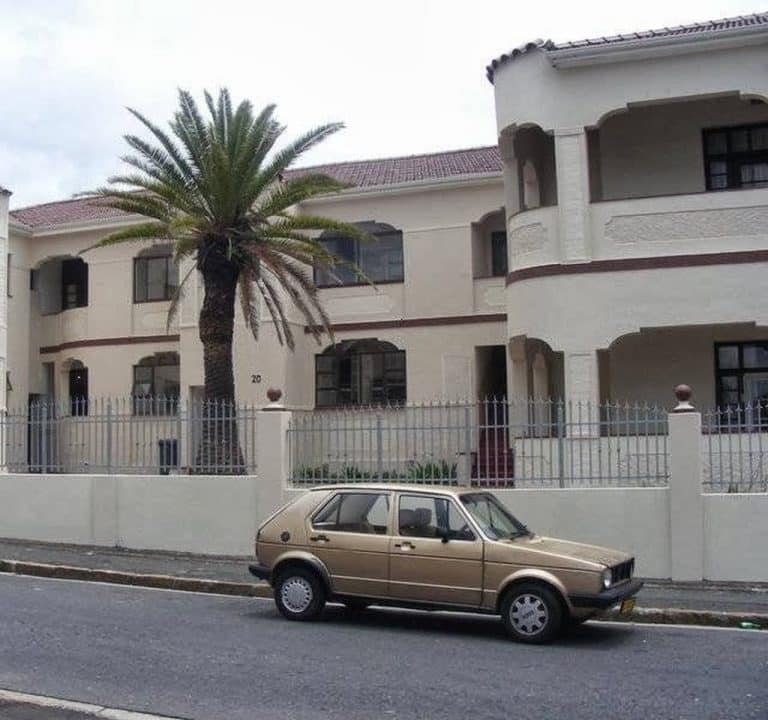
Fama Lodge, a well-regarded option in the area, exemplifies the mix of comfort and location that many travellers seek. For guests considering a stay there or nearby, their website is a useful starting point for understanding the local accommodation scene and what a stay might include. See the linked site for more details about arrangements, amenities, and nearby facilities.
When it comes to amenities, most visitors will appreciate the following essentials:
- Reliable Wi-Fi, comfortable bedding, and well-equipped bathrooms
- Secure access, on-site parking or easy public transport links
- Contemporary or traditional interiors with a tastefully designed communal area
- On-site or nearby dining options, whether breakfast-only, self-catering, or full-service
- Information on local attractions, maps, and staff recommendations for tours and eateries
Attractions and dining in Cape Town span natural beauty, culture, and cuisine. Iconic views from the Cable Car or a climb up Signal Hill offer photo-worthy panoramas. The coastline provides dramatic scenery at places such as the Twelve Apostles and the Cape Peninsula, with stretches of beaches, coastal walks, and striking cliffs. Distinctive neighbourhoods invite wandering: historic streets, markets, and eateries in the city bowl; harbour and waterfront experiences; vibrant shopfronts and cafés in the Atlantic Seaboard; and the grassy, wine-scented estates of Constantia.
When it comes to dining, Cape Town’s culinary scene ranges from casual cafés and bistros to acclaimed restaurants. Guests can expect creative menus inspired by local seafood, fresh produce from nearby markets, and influences from diverse cultural traditions. Many establishments offer tasting menus or wine-pairing options that showcase the region’s renowned South African wines. While exact dishes and prices vary, a relaxed, memorable meal often combines thoughtful design, fresh ingredients, and a welcoming atmosphere.
To help with planning, consider the following practical tips:
- Book accommodation with flexible cancellation policies, especially during busy periods or when travel plans are changing.
- Factor in travel time between areas; Cape Town’s steep terrain can affect transit duration, particularly during peak hours.
- Check if your chosen property includes breakfast or a kitchen; this can save both time and money for busy days.
- Look for properties with easy waterfront or mountain access, where you can return for a rest between activities.
- Plan a balanced itinerary with outdoor time, cultural experiences, and downtime to enjoy your surroundings.
Whether you’re seeking a stylish base with modern comforts or a more intimate retreat with character, Cape Town offers accommodation that aligns with a thoughtful travel plan. Coupled with world-class scenery and a broad range of experiences, a well-chosen stay can set the tone for a memorable visit to this remarkable corner of the Western Cape. For further inspiration on where to stay, explore the options and links available from individual properties and their official websites.