Phalaborwa, Limpopo: Where to stay, eat, and explore in Southern Africa’s safari gateway
Phalaborwa is a distinct hub in Limpopo, South Africa, famed for its proximity to the Kruger National Park and a string of wildlife, nature and cultural experiences. When planning a stay, visitors often balance easy access to wildlife with comfortable lodgings, practical transport options and the chance to unwind after a day of discovery. The town offers a mix of lodges, guesthouses and boutique stays, each with its own character and access to surrounding reserves and modern conveniences. A well-chosen base can make the difference between a compact city break and a relaxed, immersive safari itinerary.
Accommodation in Phalaborwa tends to cluster around a few practical areas. The town centre and its immediate environs are popular for easy access to shops, eateries and petrol stations, while lodges and guesthouses nearby the river or green belts offer a tranquil atmosphere and morning birdsong. If you are visiting mainly for wildlife, seek out properties with either on-site or partnered game drives and close proximity to gates or entrance points to conservation areas. For family stays, look for family suites, interconnecting rooms, and outdoor space such as verandas or courtyards where children can stretch their legs safely.
When choosing a place to stay, consider the following factors. First, proximity to the park or reserve gates can save travel time and allow for more flexible game drives. Second, accessibility for independent exploration matters: some visitors prefer a property with secure parking, user-friendly maps, and helpful reception staff who can arrange guides or day trips. Third, evaluate the amenities on offer: a reliable air‑conditioning system for peak heat, clean en-suite bathrooms, and a pool or shaded outdoor areas can greatly improve comfort after a day outdoors. Wi‑Fi and in-room charging facilities are increasingly important for longer trips or families. Finally, check for practical extras such as laundry services, late check‑in arrangements, and on-site dining options or booking support for restaurant or activity reservations.
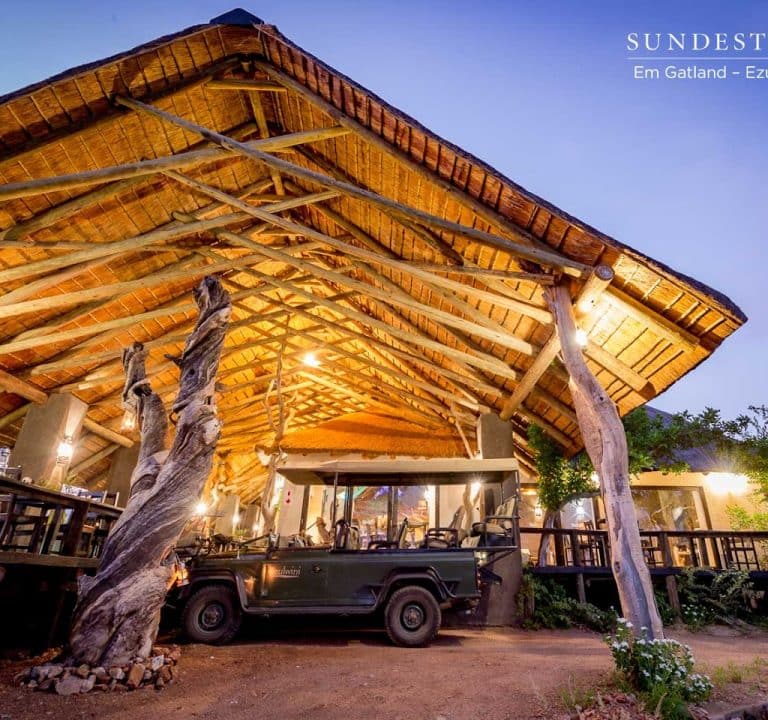
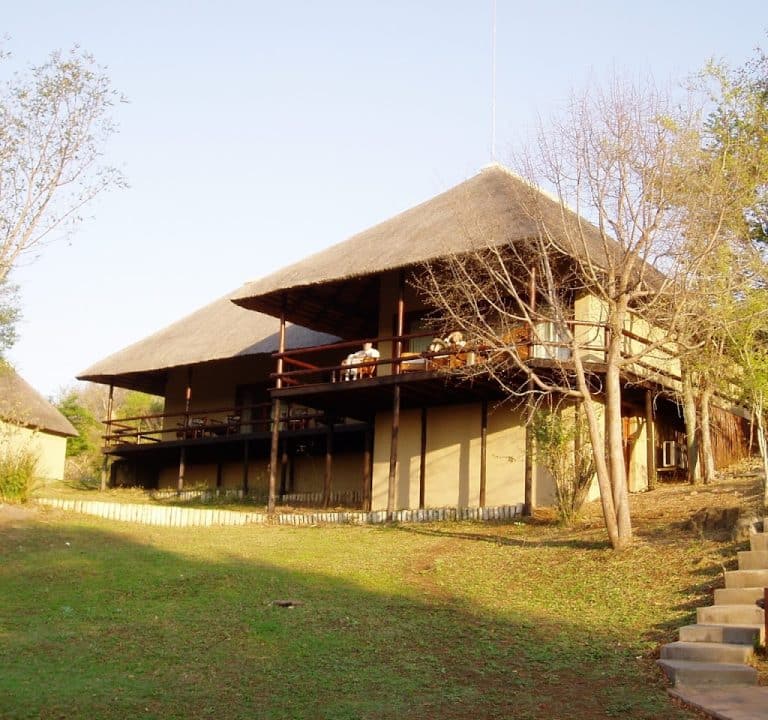
One notable example of a comfortable, guest‑friendly option is Ezulwini Billy’s Lodge, a lodge setting that blends safari ambience with practical comforts. It offers a gateway feel for travellers who want a calm base from which to day-trip into the surrounding wildlife areas, with a dedicated contact point for planning excursions and advice. See more about the property at its official site: Ezulwini Billy’s Lodge.
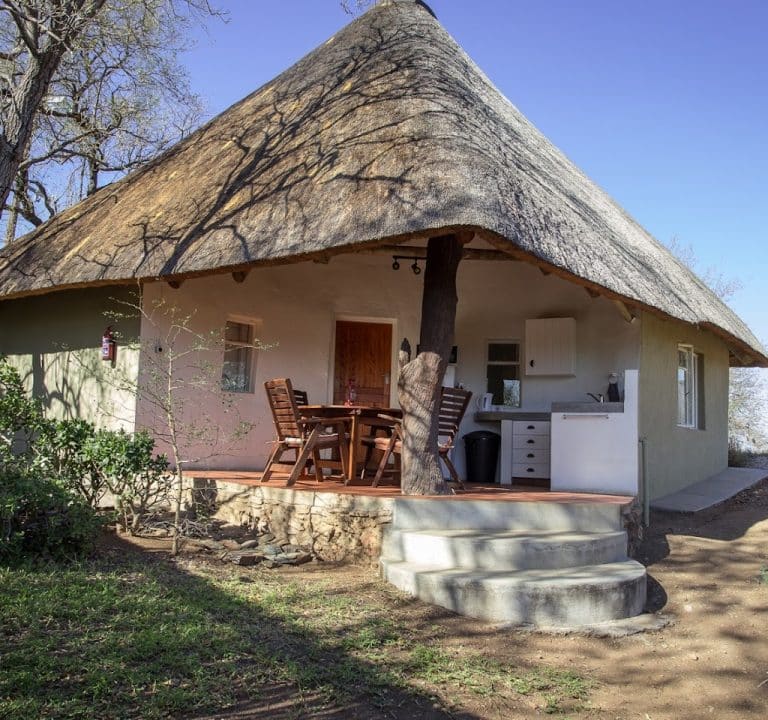
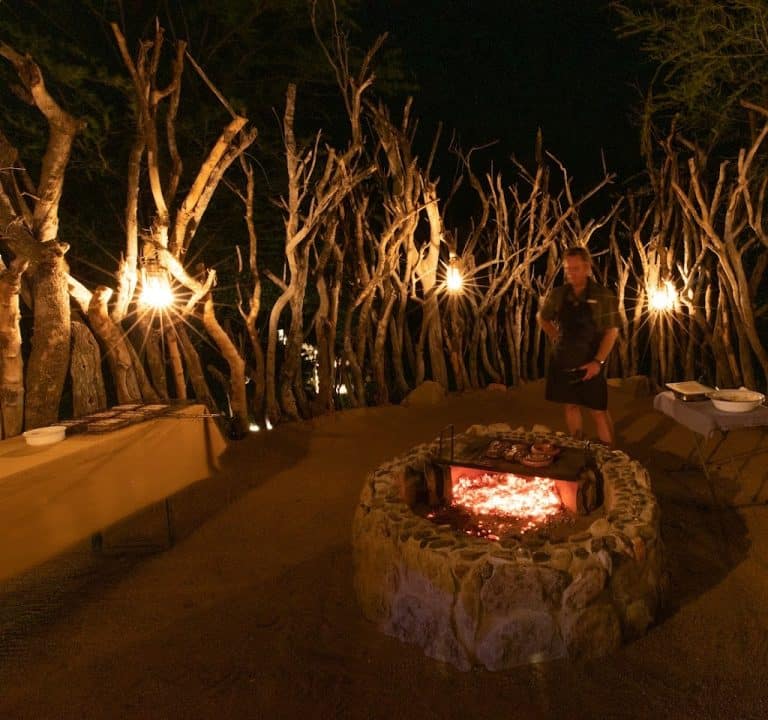
Typical amenities across Phalaborwa accommodation can include en‑suite bathrooms, private or shared verandas, air conditioning or fans, secure parking, and access to a pool or garden space. Many properties offer breakfast or meal options onsite, with some presenting traditional South African fare or international dishes. Networking with reception staff can uncover opportunities to arrange guided game drives, bush walks, or cultural visits in nearby communities. If you plan to self-drive, verify access to well‑lit parking, clear road directions, and the reliability of local dispatch or shuttle services.
Transport in and around Phalaborwa is manageable for visitors with a mix of private hire, organised tours and car hire. The town benefits from a local airport, road connections to the Kruger National Park and other natural attractions, and a network of gravel and paved roads that may vary in condition after heavy rains. If you are travelling by air, a transfer to your lodge or guesthouse can save time and provide itinerary certainty. For those who enjoy independent exploration, a road‑trip style itinerary that includes short drives to viewpoints, riverine areas, or lookout points can be rewarding, provided you plan for fuel stops and daylight driving hours.
The best time to visit Phalaborwa hinges on wildlife watching, heat levels, and rainfall. The dry season in South Africa’s winter months (roughly May to September) often yields excellent wildlife visibility as animals concentrate around water sources and vegetation is thinner. However, summer brings lush scenery and birdlife, with the possibility of afternoon showers. If you are planning a Kruger National Park safari, align your dates to park opening hours and the best available sunrise or sunset drives, while keeping in mind the malaria considerations for certain reserves. Speak with your accommodation about any seasonal rates or package deals that may enhance value during quieter periods.
When planning activities, consider a mix of wildlife‑focused experiences and lighter, culture‑driven outings. Wildlife drives and guided bush walks are the core attractions, but visitors can also enjoy scenic river landscapes, birdwatching, or visits to nearby communities where crafts and traditional performances can be observed. Booking in advance is advisable for high season and weekends, yet many lodges and guesthouses can arrange last‑minute slots depending on availability. If you prefer independent schedules, many properties offer suggested self-drive routes and maps, with practical tips on safety, road etiquette, and timing.
Practical tips for a smooth stay in Phalaborwa:
- Book accommodation with clear access to park gates, information on guided tours and a reliable check‑in process.
- Pack light, breathable clothing for daytime heat and a warm layer for early mornings on safari drives.
- Bring sun protection, a wide-brimmed hat, and a reusable water bottle for day trips.
- Check malaria advice for your chosen reserve and discuss prophylaxis with a healthcare professional before travel.
- Confirm dietary requirements in advance with your lodge or restaurant and inquire about on-site meal options.
Phalaborwa presents a practical mix of comfortable stays and wildlife‑focused experiences, with easy access to the Kruger corridor and a range of dining ideas that complement a stay in the area. Whether you are drawn by the prospect of early morning game drives, scenic riverbank walks, or simply relaxing in a well‑appointed lodge after a day of exploration, Phalaborwa offers a relaxed base from which to experience Limpopo’s rich biodiversity and welcoming hospitality.