Gqeberha: where to stay and what to do in the Eastern Cape
Gqeberha, formerly Port Elizabeth, sits on the South African coast with a mix of urban charm and natural beauty. A well‑placed base for exploring the Eastern Cape, the city offers a range of accommodation from intimate guest houses to modern hotels and seaside stays. Whether you want a relaxed beach‑side break, a city‑centre hub for business or a gateway to the nearby wildlife reserves, planning your stay around the right district and amenities can make all the difference.
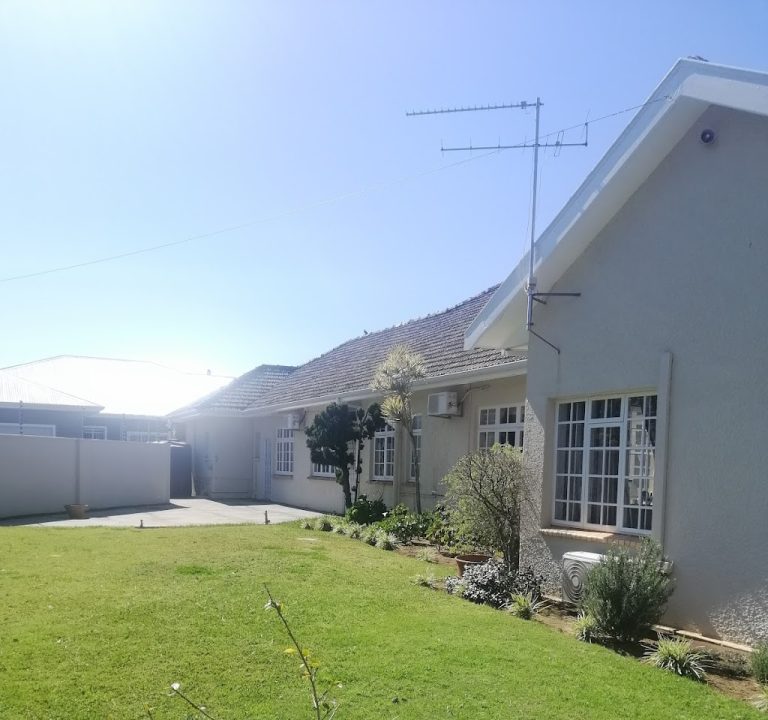
One of the keys to a comfortable visit is choosing a neighbourhood that suits your plans. The coastal strip is ideal for sun, sea and easy strolls along the promenade, while the city centre provides quick access to business, nightlife and dining. Suburban areas can offer a quieter pace, with leafy streets and easy drives to major sights. If you’re staying at a guest house such as Everwood Manor or similar properties, you’ll often find a warm, personal touch, with home‑cooked breakfasts and insider tips on local experiences.
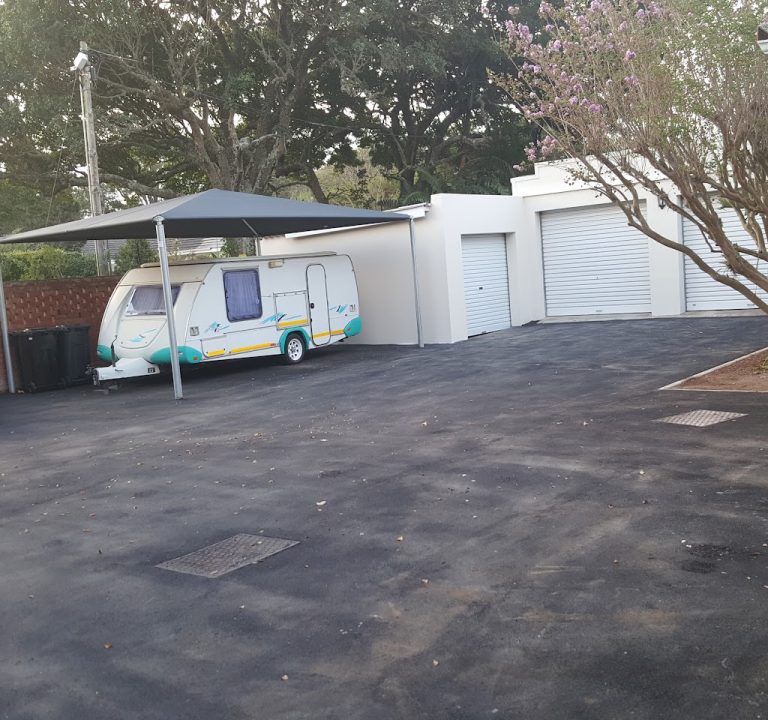
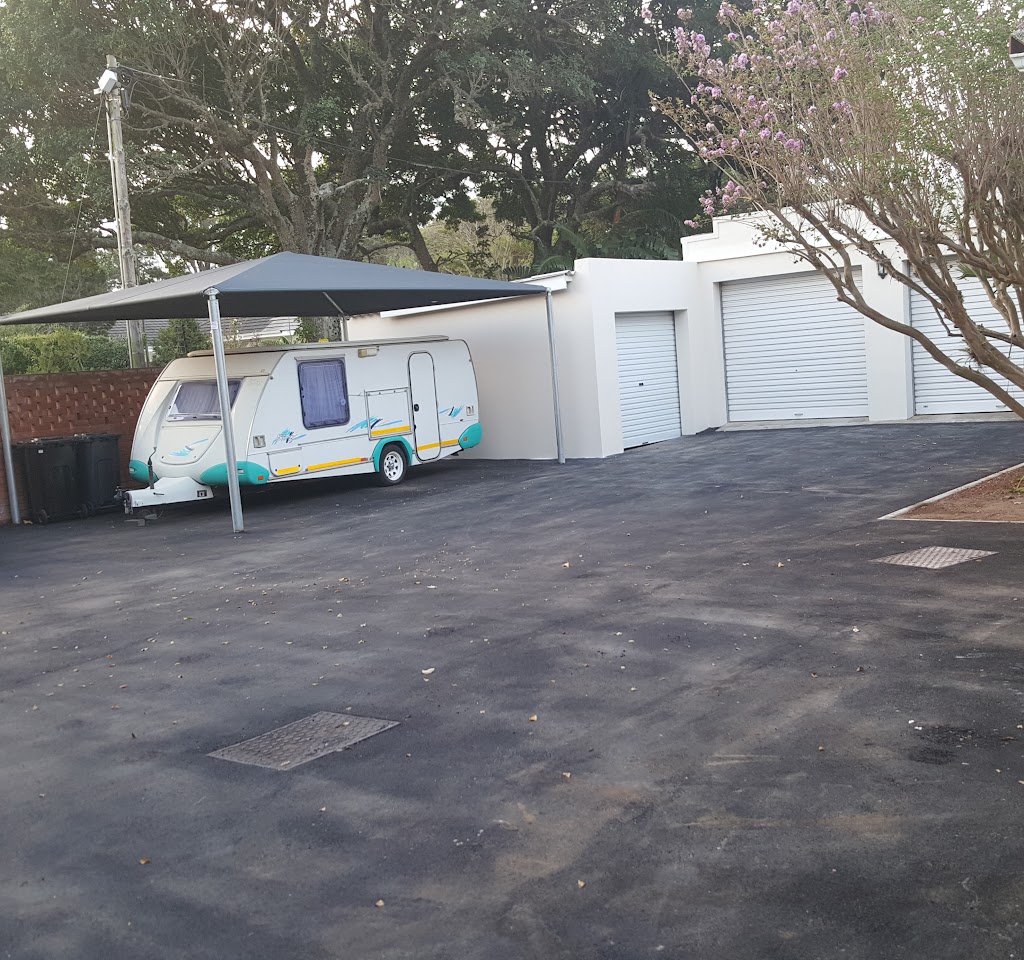
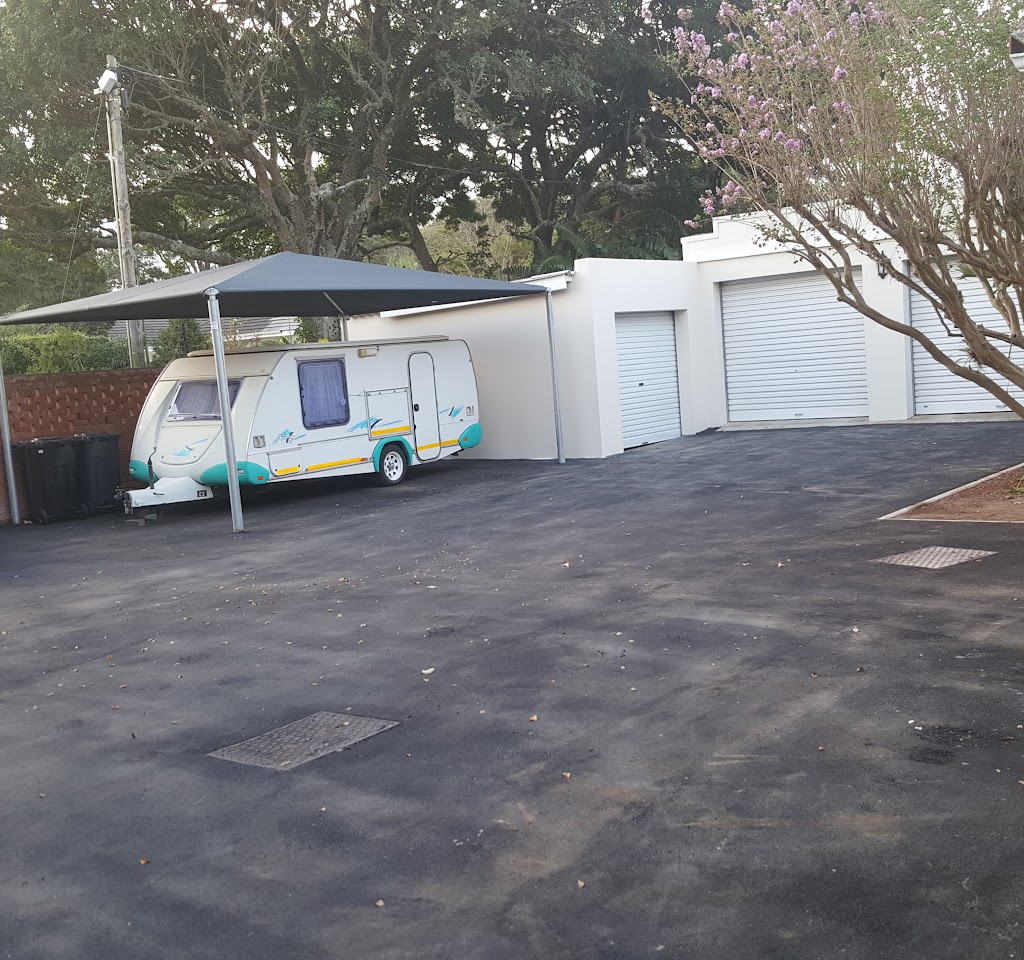
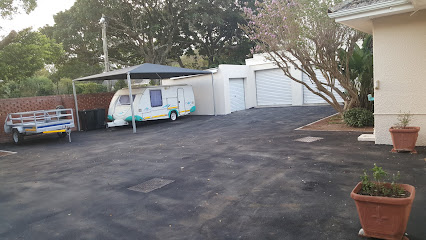
Typical accommodation options range from guest houses with en suite rooms and communal lounges to boutique hotels with larger rooms and on‑site dining. Look for features that matter to you: secure off‑street parking, reliable Wi‑Fi, climate control for hot summers, a friendly reception with local recommendations, and flexible check‑in arrangements if your flight times are variable. For coastal stays, consider sea views, easy beach access, and a light‑filled breakfast room. In more central locations, proximity to markets, cafés and transport links can save daily travel time.
When planning transport, consider how you’ll move around. The city benefits from ride‑hailing apps and taxis, and many guest houses arrange transfers or can point you to reliable local operators. If you’re renting a vehicle, a central base makes day trips straightforward, including coastal drives to nearby towns or wildlife reserves. If you prefer not to drive, look for accommodations that are within walking distance of the city’s most popular beaches, the Boardwalk, or the main commercial districts.
Best time to visit the area is generally from late spring to early autumn for pleasant temperatures and outdoor activities. The summer months can be busy with school holidays and beach crowds, while winter is milder and quieter, with fewer tourists. If you’re hoping to combine a beach break with wildlife adventures, plan day trips to nearby reserves in good weather, as road conditions and visibility can influence travel times.
Key considerations for booking include the reputation of the host or management, guest reviews, and the level of service you want. Clear communication about your expectations—such as breakfast times, parking arrangements, and noise levels—helps ensure a smooth stay. Check whether the property offers breakfast, whether there are shared kitchens or lounges, and if self‑catering options are available. For families, confirm the suitability of rooms for children or the availability of family suites. For travellers with mobility considerations, verify entry access, lift availability, and bathroom configurations.
What to look for in amenities often goes beyond the obvious. A comfortable bed with quality linens, a dependable hot shower, and ample power outlets matter more than you might expect after a long day of exploring. If you plan to work remotely or stream films, ensure reliable Wi‑Fi in your room or common areas. A small, well‑stocked minibar or tea and coffee facilities can be a nice touch, as can a private outdoor space or garden seating to unwind after a day of sightseeing. In guest houses, hosts often provide insightful recommendations for local dining, markets, and hidden beaches that are not always on the tourist radar.
Attractions and experiences in and around Gqeberha cover a broad spectrum. You can enjoy long coastal walks, swimming and surfing at friendly beaches, and the chance to learn about the region’s maritime heritage. Within the city, there are parks and museums to explore, as well as markets and cafés that showcase local produce and crafts. Just beyond the city limits, day trips can take you to wildlife reserves, where you may encounter elephants and other African fauna, or to scenic coastal towns that offer seafood platters and relaxed dining experiences. For a balanced itinerary, combine a couple of outdoor adventures with a few cultural stops and leisurely meals that highlight regional flavours.
When dining out, choose places that emphasise fresh seafood, regional ingredients and simple, unfussy cooking. Restaurants in the area often showcase informal, friendly atmospheres where you can enjoy a light lunch, a casual dinner, or a sunset drink by the sea. Most venues are happy to accommodate dietary preferences and offer seasonal menus featuring local produce. If you’re staying in a guest house, ask your host for recommendations on nearby eateries and whether reservations are advisable, especially on weekends or during peak season.
- Areas to consider: coastal promenade for beach access, city centre for convenience and nightlife, leafy suburbs for a quieter stay, and near wildlife‑watching routes for easy day trips.
- Booking tips: read recent guest reviews, confirm breakfast and parking, ask about transfer options, and clarify check‑in/check‑out times.
- Amenities worth prioritising: reliable Wi‑Fi, comfortable beds, secure parking, air conditioning or fans, and a welcoming host who can offer local tips.
In summary, a stay in Gqeberha can be as relaxed or as active as you wish. By selecting the right accommodation—whether a charming guest house with personal attention or a contemporary hotel with modern comforts—and planning with transport, timing, and local experiences in mind, you can enjoy the city’s coastal charm, convenient access to attractions, and a taste of Eastern Cape hospitality. If you’re considering Everwood Manor or similar properties, you’ll likely find a homely base from which to explore the region and craft your own memorable itinerary.