Johannesburg: accommodation planning, neighbourhoods, and top experiences
Johannesburg, Gauteng, blends a dynamic urban pace with cultural richness and easy access to nature on the city’s doorstep. When planning a stay, travellers commonly weigh location, safety, and transport convenience alongside the character of the lodgings themselves. In Johannesburg you’ll find everything from boutique guesthouses and lodges to modern hotels that suit business trips, family holidays, and weekend city breaks. A good starting point is to map out a few core areas to use as bases for exploring the region.
Popular neighbourhoods include the leafy northern suburbs such as Sandton and Rosebank, which offer modern amenities, shopping centres, and straightforward access to business districts. The central city, including the historic districts of Braamfontein and Maboneng, appeals to visitors seeking a lively arts and dining scene, with lofts, guesthouses, and stylish boutique hotels that place you within strollable distances of cafés and galleries. Soweto presents a different flavour altogether, where many guesthouses and small hotels provide a gateway to township history, guided tours, and authentic meals in family-run venues.
When choosing accommodation, consider a few practical factors. Safety is a common concern for visitors, so look for properties with secure access, 24‑hour reception, and well-lit surroundings. Proximity to reliable transport—whether it’s a direct taxi or rideshare option, or a Gautrain link to the airport and major hubs—can save time and reduce stress. If you plan to spend evenings out, a property within walking distance of well-lit streets or with easy return transport is wise. For longer stays, a self-contained apartment or a lodge with a kitchenette can provide flexibility and value.
Typical amenities to expect include comfortable en-suite rooms, reliable and fast Wi‑Fi, on-site dining or continental breakfast, and options for late checkout. Some properties offer additional perks such as outdoor spaces, pools, or gym access. If you prefer a more intimate atmosphere, consider boutique guesthouses or a lodge with personalised service and guided experiences. For families, look for family rooms, extra beds, and safe play areas. If business travel is on the cards, a well-equipped workspace, meeting facilities, and convenient parking can be decisive factors.
Transport in Johannesburg is well supported by the Gauteng area’s road network and rail links. The Gautrain provides rapid connections between the city and OR Tambo International Airport, and between Pretoria and Johannesburg, making day trips feasible. Within the city, rideshare apps, taxis, and car hire are common options; many lodges and hotels in the popular districts offer shuttle services or partner with trusted transport providers. If you plan to use public transport, a stay in areas with easy access to main routes and safe pedestrian access will help you move around with confidence.
The best time to visit Johannesburg is during the South African winter and spring (roughly May to September), when the days are generally cool and dry, making outdoor exploring comfortable. Summer can be hot and humid, with occasional afternoon thundershowers, but it’s when the city bursts with green spaces and lively street life. Always check for local events or festivals that may enhance your stay but could also affect hotel availability and crowd levels.
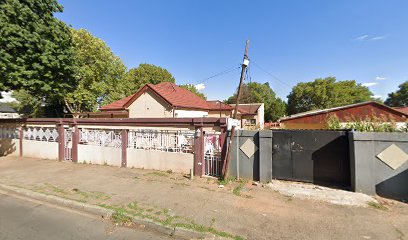
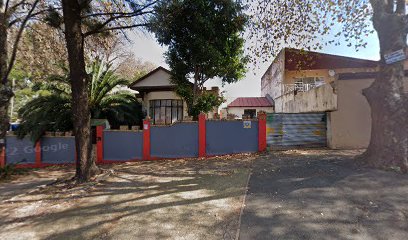
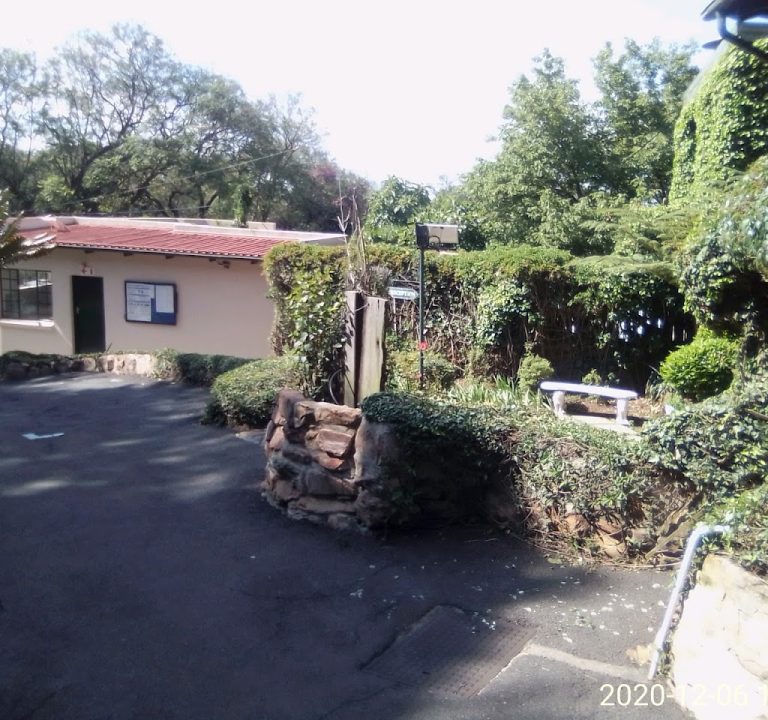
One example of a lodging option within this vibrant city fabric is EvermoreGuest Lodge, a property noted in categories such as Hotels. Properties like this often aim to combine comfort with convenient access to the city’s varied experiences. When researching any stay, read recent guest reviews for insights into service consistency, cleanliness, and how well a venue handles typical requests such as late arrivals or dietary considerations.
Reservations tip: book early for peak periods such as major conferences, holidays, or when city events are on. Compare room types, cancellation policies, and whether breakfast is included. If you have mobility concerns or require specific accessibility features, contact the property in advance to confirm arrangements rather than relying solely on standard room listings. Consider the length of your stay and negotiating a package rate if you’ll be in Johannesburg for several nights.
Dining and experiences to look for during your stay include a mix of casual bistros, modern eateries, and cultural cuisine that reflect Johannesburg’s diverse communities. In many areas, you’ll find vibrant markets, coffee roasters, and foliage-filled courtyards that are pleasant to explore on foot in the early evening. For experiences, you might arrange a guided township visit, a historic walking tour, or a day trip to a nearby nature reserve to balance city immersion with outdoor time. Restaurants and venues typically offer a range of dietary options, so it’s worth noting any preferences in advance when you book.
Practical tips for a smooth trip:
- Pack comfortable walking shoes and a light, weather-appropriate layer for changeable days.
- Bring a universal adaptor and a portable power bank for long days out exploring.
- Respect local customs and ask for recommendations at your accommodation’s reception or concierge desk.
- Plan your routes in advance but stay flexible for unexpected discoveries and occasional traffic delays.
- Check the latest travel guidance and safety advisories for the areas you’ll visit, and keep your valuables secure.
For further inspiration and planning resources, you can visit official tourism information and city guides, which can help you map itineraries around Johannesburg’s highlights and the surrounding Gauteng region. With thoughtful selection of where to stay and what to do, a Johannesburg visit can balance urban exploration with moments of relaxation and cultural discovery.