Staying in Thabazimbi, Limpopo: accommodation, planning and local experiences
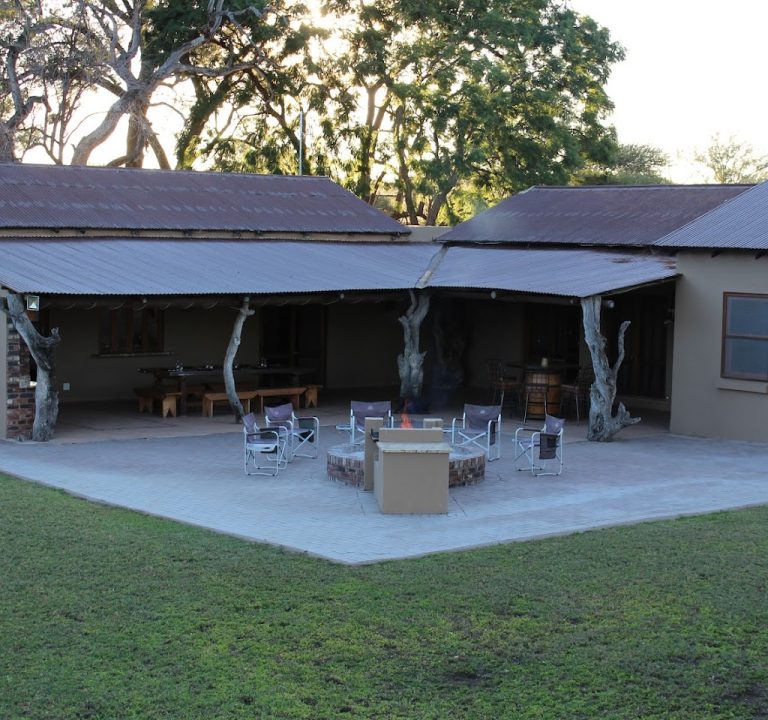
Thabazimbi in Limpopo offers a mix of self-catering retreats, guesthouses and lodge-style stays that cater to travellers seeking closer encounters with South Africa’s natural beauty. The town sits on the edge of the Waterberg Plateau natural region, with easy access to dramatic landscapes, game reserves and rural scenery. When planning a visit, think about how much time you want for nature, driving routes, and how you’d like to balance downtime with day trips to nearby parks and viewpoints. Self-catering options like ETS Bush Camp are popular for families and groups seeking flexibility, while guesthouses and lodges provide a ready-to-use base with meals or easy access to local eateries.
Areas to consider for your stay fall into a few practical categories. The town centre is convenient for shops, petrol, and access to essential services, but staying on the outskirts can yield a more tranquil, nature-forward experience with quicker access to nature trails and reserves. If you’re visiting during a peak wildlife calendar, look for locations that offer quiet rooms, early-morning activities or guided walks. For families or groups, a self-catering property near a wildlife gate or park entrance can minimise daily meal planning while maximising time outdoors.
Typical amenities to look for when booking include private or centralised parking, reliable Wi‑Fi, secure entrances, and well-equipped kitchens or braai areas for outdoor cooking. A simple but useful checklist would include: en-suite bathrooms, air conditioning or fans for Limpopo heat, clean linen and towels, insect screens, and clear information on check-in/out procedures. If you rely on a driver or tours, ask whether the property can arrange transfers or suggestions for local guides. Some cottages and lodges offer on-site facilities such as swimming pools, communal lounges, a shared kitchen, or outdoor seating areas that catch the morning or sunset light—handy for relaxed evenings after a day exploring the region.
Transport in Thabazimbi is usually by car, so most travellers hire a vehicle to reach surrounding nature reserves and viewpoints. If you’re arriving from larger centres, consider routes from Johannesburg or Pretoria and the possibility of a longer scenic drive through the North Province. When checking transport options, confirm whether the accommodation provides parking or if you’ll need to use local taxis or rideshares. If walking or cycling is on your agenda, clarify safe routes and bike storage with your host.
The best time to visit Thabazimbi depends on your priorities. The dry winter months (roughly May to August) can offer clear skies, pleasant daytime temperatures, and easier wildlife spotting as animals gather around water sources. The summer months bring warmth and lush scenery, but afternoon showers are more common. If you’re keen on birdwatching, lighter mornings and late afternoons tend to be the most productive. For those seeking outdoor adventures, plan day trips to neighbouring nature reserves and consider midweek stays to enjoy a calmer pace.
Practical planning tips to maximise your stay:
- Book early if travelling in school holidays or during long weekends, especially for self-catering properties that suit larger groups.
- Ask about cooking facilities, pantry staples, and reliable water supply, especially if you’re staying in more remote or rural settings.
- Check for air conditioning or fans, mosquito nets, and shuttered windows to stay comfortable in warm evenings.
- Inquire about on-site or nearby dining options for evenings you’d prefer to dine out, and whether the property can arrange in-room meal deliveries or braai packs.
- Confirm access to reserves and any permit requirements for day trips or guided safaris, to avoid last-minute surprises.
Beyond accommodation, Thabazimbi and its surroundings offer a range of activities. You’ll encounter open landscapes that inspire leisurely drives, photography sessions, and nature walks. Guided safaris and game-viewing experiences in nearby reserves are common, though it’s best to check with your host about arrangements and timings. For food lovers, expect a mix of wholesome, hearty South African cuisine and rustic eateries that celebrate local produce. While specific restaurant names and prices can vary, visitors typically find welcoming places that specialise in grilled dishes, regional sides, and seasonal offerings. Local markets or farm stalls can provide fresh fruit, vegetables and baked goods to enhance a self-catering stay.
When choosing accommodation, a good rule of thumb is to prioritise places with responsive hosts and clear communication. Read guest reviews to gauge how well a property handles different groups, the convenience of check-in processes, and the cleanliness of spaces. If ETS Bush Camp or similar self-catering options appeal to you, ensure the listing highlights a well-equipped kitchen, comfortable living spaces, and a private outdoor area that suits your group’s vibe. Having a reliable map or GPS handy will also help you navigate the surrounding landscape and plan day trips with confidence.
For planning resources, consider visiting official Limpopo tourism pages or South Africa travel guides that cover Thabazimbi, Waterberg and nearby reserves. These sources can offer practical tips, seasonal highlights, and general guidance on where to stay and what to see. Overall, a thoughtful approach to choosing your stay—whether you want a serene nature retreat, a self-catering base for family adventures, or a lodge with easy access to wildlife—will help you craft a balanced Thabazimbi itinerary that aligns with your interests and pace. Websites linking to accommodation providers or regional tourism boards are useful starting points for up-to-date information and planning ideas.