Staying in Eshowe, KwaZulu-Natal: where to stay, what to do and how to plan your visit
Eshowe is a gateway to KwaZulu-Natal’s interior landscapes, offering a calm base from which to explore the rich blend of heritage, forest scenery and wildlife that this region affords. When planning a stay, consider staying in or around the town centre for easy access to shops, eateries and transport links, or opt for a quieter setting on the edge of the surrounding hills where the air is fresher and the views extend over the valley. The town’s accommodation scene ranges from family-run guesthouses and mid-range hotels to practical hostels that cater to budget travellers and groups.
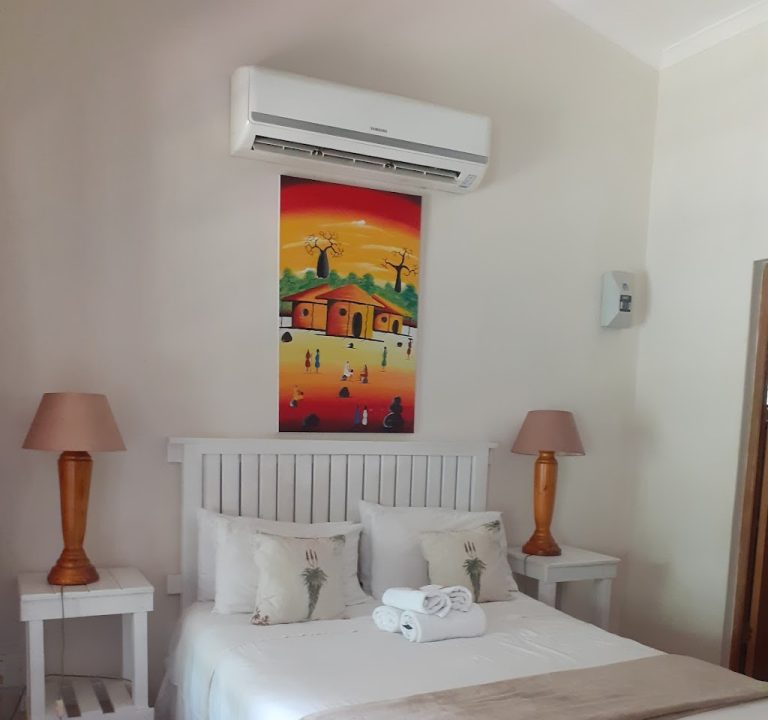
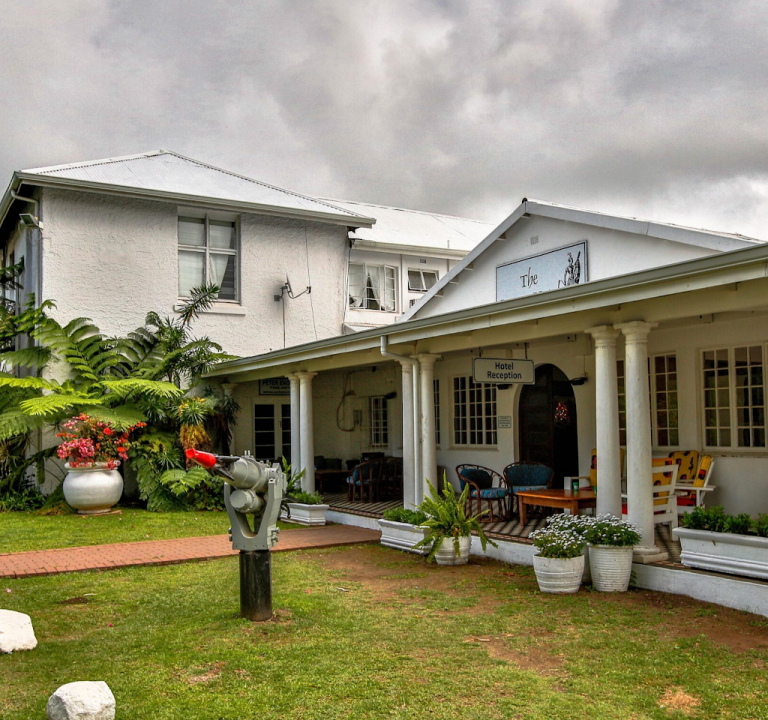
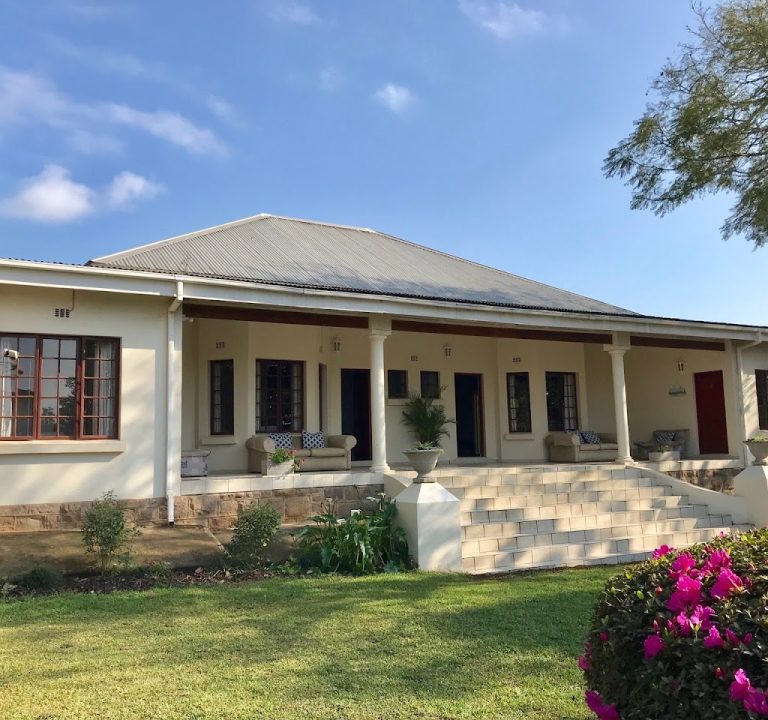
In Eshowe, a typical stay blends comfortable rooms with practical amenities. Expect clean en-suite or shared facilities, reliable Wi-Fi, secure parking, and generous breakfast options that showcase local ingredients. For those travelling with friends or family, consider options that offer shared spaces, such as lounges or kitchens, which help keep costs down while preserving a comfortable home-away-from-home feel. The Eshowe Junior Hostel is a notable example within the town’s accommodation mix, appealing to travellers seeking a straightforward, budget-friendly base with easy access to nearby natural and cultural sights.
When choosing where to stay, think about the neighbourhoods that best suit your itinerary. The town centre puts you within a short walk or drive of shops, markets and dining options, while areas closer to the edge of town can offer quieter nights and pleasing views. If you’re prioritising birdwatching, forest walks or easy trail access, you might prefer a location with a short drive to the nearby forest reserves yet still within reach of essential amenities. Booking early in peak travel windows is advisable, as rooms can fill quickly in the warmer months when rivers and forests draw nature lovers.
Typical amenities to look for include secure parking, on-site dining or easy access to a café, a comfortable communal area for socialising, and information services such as maps or guest experiences. If you’re travelling by car, confirm the ease of access and parking security. For those relying on public transport, check nearby stand points or taxi services and the frequency of services to other towns or regional attractions. Family rooms and flexible bed configurations can be helpful for groups or multi-generational visits.
Transport in and around Eshowe is practical but not always fast. Most visitors arrive by road, with self-drive giving you the greatest flexibility to explore the district at your own pace. If you prefer not to drive, ask your hosts about arranged transfers or local shuttle options to major highlights nearby. A light suitcase with comfortable walking shoes is enough for most town stays, while a daypack is convenient for shorter forest or reserve excursions.
The best time to visit Eshowe depends on what you seek. The KwaZulu-Natal interior enjoys mild to warm weather for most of the year, with a drier period in the winter months that can be ideal for outdoor activities and birding. Spring and autumn bring pleasant temperatures and fewer crowds in many accommodation venues. If you’re keen on greenery and birdlife, plan for the shoulder seasons when trails are easier to enjoy and wildlife is often more active in the cooler hours of the day. Pack layers for cool mornings and evenings, and bring sun protection for daytime explorations.
Top experiences in the area include nature walks and forest experiences, with protected areas offering well-marked paths and informative signage. Visitors can enjoy panoramic views from elevated spots and learn about the region’s heritage through local museums and heritage sites. Dining in Eshowe tends to reflect KwaZulu-Natal flavours, with venues offering a mix of comforting meals and contemporary twists. For evenings, look for places with relaxed atmospheres where you can unwind after a day of exploration and sample seasonal dishes or locally sourced ingredients.
Practical tips to help you plan your stay:
- Book accommodation with clear access to the town’s core amenities and natural areas you plan to visit.
- Check whether your chosen option offers breakfast or kitchen facilities if you prefer self-catering.
- Consider a two- or three-night stay to cover key forest, heritage and cultural sights without rushing your itinerary.
- Look for flexible cancellation terms in case your plans change due to weather or transport considerations.
- Bring suitable footwear for uneven trails and a light rain jacket for the forest environments.
- Consult local visitor resources or your host for up-to-date information on seasonal activities and access to reserves.
- Respect local communities and wildlife; follow posted guidelines and stay on marked trails.
Dining and attractions in Eshowe are designed to be approachable for visitors. It’s common to find casual eateries that focus on hearty meals, simple breakfasts and light lunches, with options that cater to travellers seeking quick, friendly meals. For a broader culinary experience, plan to explore nearby towns along the coast or inland for additional restaurant varieties. When planning day trips, you can pair forest views with cultural visits to learn more about the region’s history and people, and then return to your base for a relaxing evening.
For inspiration and planning resources, check regional tourism information online, including pages devoted to KwaZulu-Natal’s interior and rural towns. These sources can offer current guidance on accommodation listings, travel tips and suggested routes. Always verify current hours for attractions and check whether any access restrictions or seasonal changes apply during your stay. With thoughtful planning, Eshowe can provide a comfortable, friendly base for discovering KwaZulu-Natal’s inland beauty and heritage without sacrificing ease and convenience.