Discovering Cape Town: Accommodation, attractions, and planning tips
Cape Town, set against a dramatic backdrop of mountains and coastline, offers a range of places to stay from boutique guesthouses in quiet suburbs to stylish apartments along the Atlantic Seaboard. When planning a stay, think about what atmosphere you want, how you will move around the city, and what you’d like to be close to. The city’s neighbourhoods each have a distinct character, from leafy residential streets to vibrant cultural hubs, making it easy to tailor your trip to your interests and budget.
Areas to consider include the City Bowl and the foothills of Table Mountain for easy access to dining, museums, and the central business district, or the Atlantic Seaboard and Camps Bay for long beaches, seaside promenades, and sunset views. Constantia offers a more relaxed, leafy setting with proximity to estate wine routes and excellent dining, while Woodstock and Green Point blend urban charm with convenient transport links. For families or longer visits, a guesthouse or homestay in a residential neighbourhood near public transport can provide a calmer base from which to explore the city and the surrounding winelands.
Booking considerations go beyond price. Look for clear descriptions of the accommodation type (guesthouse, homestay, apartment, or hotel), the level of privacy, and whether breakfast is included or available as an option. Check the size and layout of rooms, whether there is a private bathroom, and if self-catering facilities are provided. Consider the amenities that matter most to you, such as reliable Wi‑Fi for remote work, air conditioning for warmer days, heating for cooler evenings, secure parking, and access to outdoor spaces like a balcony or pool. If you plan to drive, confirm whether the property offers off-street parking or easy access to the surrounding areas by taxi or ride-share.
Practical planning tips for a Cape Town stay include awareness of seasonal possibilities. The city enjoys long spring and summer seasons, with warm days that are perfect for beaches and outdoor dining. Autumn can be mild and pleasant for exploring gardens and coastal walks, while winter is cooler and wetter, offering cosy meals and museum days. Transport options range from the MyCiTi bus network and MyCiti connections to major attractions, to Uber and other ride-hailing services. Renting a car is convenient if you intend to day-trip to Cape Point, the Cape Winelands, or the penguin colony at Boulders Beach, but many central areas are walkable, and taxis are readily available.
Typical amenities you are likely to find in well-reviewed Cape Town accommodation include complimentary Wi‑Fi, tea- and coffee-making facilities, and en-suite bathrooms. Look for sunlit communal spaces, well-equipped kitchens for self-catering, and outdoor areas that let you enjoy the climate. House rules, check-in and check-out times, and the availability of on-site staff or host experiences can influence your stay, especially if you plan to arrive late or depart early. If you’re visiting during peak season, booking well in advance is prudent to secure options in popular neighbourhoods and near major sights.
When it comes to attractions and experiences, Cape Town offers a breadth of possibilities that suit many interests. Iconic natural landmarks such as the flat-topped Table Mountain can be explored by cable car or by hiking trails that vary in difficulty. The city’s waterfront and harbour area provide a gateway to boat trips, marine encounters, and panoramic views of the harbour and Signal Hill. Just outside the city, the Cape Peninsula offers dramatic coastal scenery, scenic drives, and wildlife encounters. World-renowned botanical gardens and winelands tours deliver a blend of natural beauty and regional cuisine. For those drawn to culture and history, there are museums and historic sites that illuminate South Africa’s layered past. Local markets and neighbourhood eateries showcase a range of flavours, from fresh seafood to traditional and contemporary fusion dishes. For a more relaxed rhythm, coastal walks along the promenade and sunset hours in beachfront districts provide memorable moments of repose after a day of discovery.
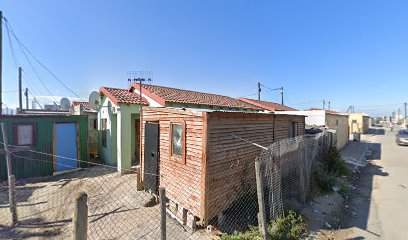
One example of a locally minded accommodation option is a homestay such as Eric Homestead, which typifies how visitors can engage with neighbourhood life while staying in a comfortable, family-oriented setting. Such options offer insight into daily living in Cape Town and can provide recommendations from hosts about reliable local transport, markets, and eateries. Guests should always review house rules, expected arrival times, and any shared spaces together with descriptions of privacy and self-catering arrangements to ensure a seamless experience.
To help you plan, here are a few practical tips to keep in mind:
- Check proximity to transport hubs and the areas you plan to explore most often; a short distance to a major tram or bus route can ease daily travel.
- Consider the weather and choose a base that suits your needs, whether you want a breezy sea view or a quiet, garden-fronting property.
- Read guest reviews for mentions of reliability, cleanliness, and the responsiveness of hosts or managers.
- Be mindful of safety considerations and choose properties with secure entrances and well-lit surroundings, especially if you will be out late.
- Plan day trips to the Winelands and coastal towns with a mix of self-drive or guided options to maximise your time.
Finally, always check current travel advice, opening hours of attractions, and whether you need to make bookings for popular sights in advance. Cape Town rewards curiosity with scenery that changes from hour to hour, and with thoughtful planning you can balance comfortable accommodation with memorable experiences that reflect the city’s warmth and diversity.