Ngcobo, Eastern Cape: where to stay and what to do
Nestled in the Eastern Cape, Ngcobo offers a gateway to the province’s rich landscapes, welcoming hospitality and a pace of life that invites visitors to slow down and explore. Whether you are planning a cultural break, a nature-filled escape or a short regional stopover, there are guesthouses, small hotels and lodges that provide a comfortable base from which to discover the area. When planning a stay here, it helps to think about where you want to base yourself, what amenities matter most, and how you will get around to explore beyond the town centre.
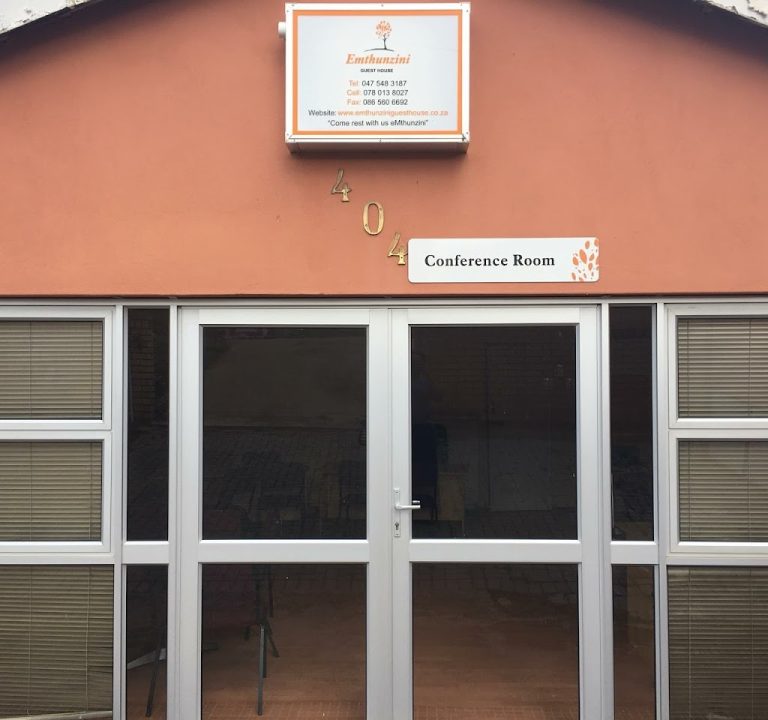
Accommodation choices in and around Ngcobo range from intimate guesthouses to lodges set in rural surroundings. Some options may operate as modest, comfortable retreats that prioritise warmth and hospitality, while others offer more structured services and on-site dining. One well-known local option to consider is Emthunzini Guest House, which exemplifies the type of mid-range accommodation that can balance price, comfort and convenient access to nearby sights. When selecting where to stay, consider how far the property is from the town’s amenities, whether it offers on-site dining or nearby meal options, and what transport arrangements are possible for day trips.
Areas to consider when planning your stay include the town centre and the surrounding rural lanes where many smaller guesthouses and lodges are tucked away. A central base can be practical for easy access to shops, markets and transport links, while a more rural setting can offer tranquillity, scenic drives and a closer connection to the landscape. If you are driving, look for parking arrangements and easy access to main routes; if you’re relying on transfers, check whether the property can assist or arrange local transport.
Typical amenities you might encounter include en-suite bathrooms, air conditioning or fans, clean and comfortable bedding, and Wi‑Fi access. Many smaller accommodations also provide breakfast and some may offer shared kitchen facilities or simple meal options. A few properties may feature shaded outdoor spaces, verandahs or gardens ideal for relaxing after a day of exploring. When evaluating options, verify whether the accommodation has dependable hot water, secure lighting at night, and clear directions for check‑in and local transport links.
Planning practicalities are essential for a smooth stay. Consider your travel timing and how it aligns with the region’s weather patterns. The area experiences a variety of conditions, so packing sensible layers, sun protection and a light rain layer is wise. If you plan outdoor activities such as nature walks or birdwatching, choose accommodation with easy access to trailheads or scenic viewpoints. It’s also worth confirming accessibility for any mobility needs and whether the property can accommodate dietary preferences if you intend to dine on-site or nearby.
When it comes to transport, many visitors travel by car to Ngcobo and the surrounding district. A private vehicle offers the greatest flexibility to explore at your own pace, including rural backroads and nearby viewpoints. If you prefer not to drive, look into local transport options ahead of time and ask your host whether they can help arrange reliable transfers or day trips with a reputable driver. For longer journeys, plan your routing to connect with larger towns or airports in the region, as these hubs typically provide a wider range of services and flexibility.
The best time to visit Ngcobo depends on what you seek from your trip. The region’s climate brings warm or hot days in the warmer months and cooler evenings during the drier winter period. The dry season can be particularly pleasant for outdoor activities and day trips, while the warmer months may offer lush landscapes and the chance to experience local markets and cultural events. If you are looking to combine a nature day with comfortable daytime temperatures, planning a stay during the shoulder periods can be ideal.
When you arrive, you will likely want to explore general attractions that showcase the area’s character without needing extensive travel. Local nature reserves, panoramic viewpoints, and birdlife opportunities are common themes in the region. Markets and community spaces present opportunities to observe daily life, sample regional flavours and engage with residents in a respectful, curious manner. For dining, most accommodation providers will be able to suggest nearby options offering simple, home-style meals or traditional dishes. Always check with your host about the best places to eat, as well as any current recommendations for safe, reputable venues.
Practical planning tips for a smooth stay:
- Book in advance during peak travel times to secure your preferred area and room type.
- Ask about included meals, on-site dining options, and whether refrigeration or kitchen facilities are available.
- Check parking arrangements and accessibility from main routes or airports.
- Clarify check-in times, local contact numbers, and what to do in case of flight or transport delays.
- Prepare for varied weather with layered clothing and a compact rain jacket.
Ngcobo is a destination that rewards curious travellers with genuine hospitality, serene landscapes and a slower pace that contrasts with busier routes. With thoughtful planning around where to stay, how to travel, and what to expect from local experiences, your visit can be both comfortable and engaging, whether you are drawn to nature, culture, or simple relaxation amidst Eastern Cape’s rural beauty.