Durban: Where to stay and what to do, from beachfront escapes to group-friendly retreats
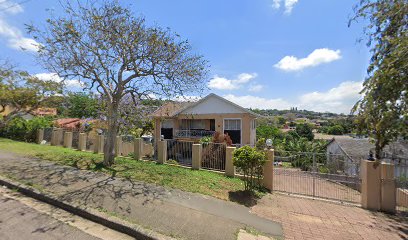
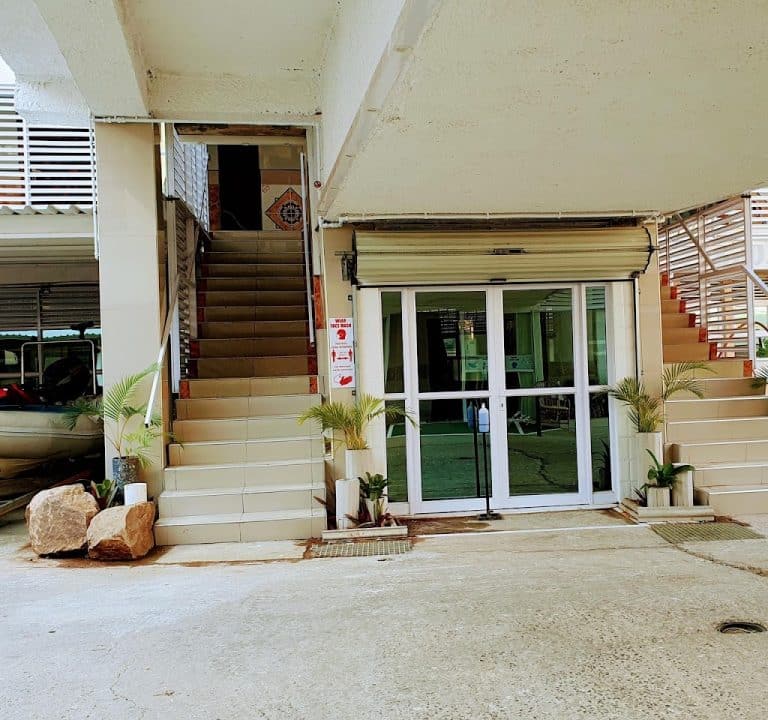
Durban, on KwaZulu-Natal’s coast, offers a vibrant mix of warm Indian Ocean s blends with subtropical gardens, busy markets, and a wealth of family‑friendly activities. When planning a stay, consider areas that suit your group or holiday style. The Golden Mile and beachfront precincts are ideal for those who want easy access to the sea, promenades, and casual eateries. For a more laid‑back, leafy vibe with convenient commuting options, the Berea and Morningside neighbourhoods provide a mix of guesthouses, boutique hotels and self‑catering options. If you’re travelling with a larger group or seeking self‑contained space for a longer stay, Emmanuel’s Accommodation offers group accommodation that can help you coordinate shared facilities while preserving privacy for individuals.
Key considerations when booking in Durban include access to the beach, parking arrangements, and the ease of getting around without relying solely on a car. The city is well served by a network of taxis, ride‑hailing services, and public transport that can connect you to major attractions, restaurants, and shopping hubs. Look for properties with practical features such as reliable air conditioning for humid summers, ceiling fans for shoulder months, and secure access or on‑site parking if you’re renting a vehicle. For families or groups, properties with multiple bedrooms, communal living spaces, and well‑equipped kitchens or self‑catering facilities can make longer stays more comfortable and economical.
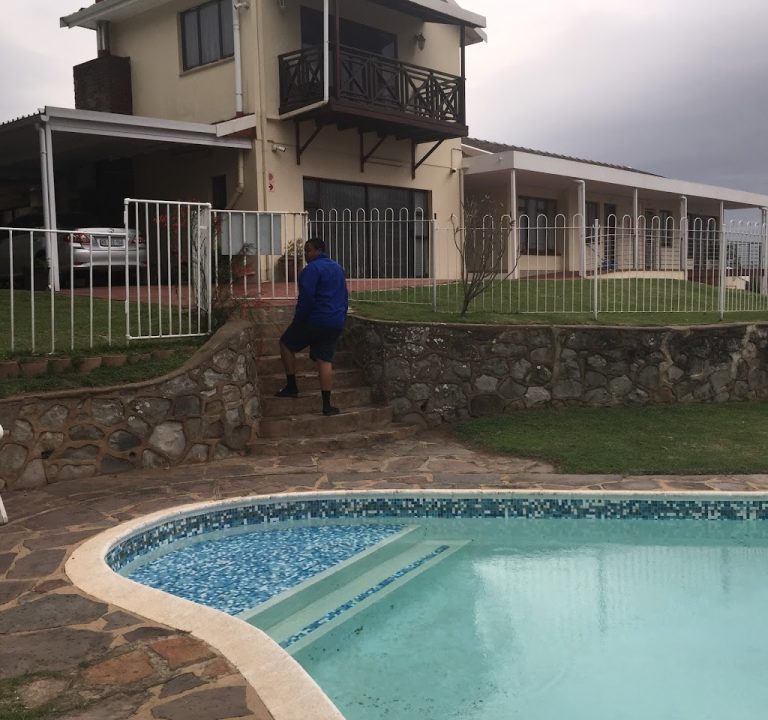
Typical amenities across Durban’s accommodation landscape range from comfortable kitchen-equipped apartments to stylish suites with sea views. Expect Wi‑Fi, daily housekeeping options, and landscaped outdoor spaces where possible. Some properties offer on‑site pools, barbecue areas, or sheltered courtyards, which are particularly welcome in warm weather. If your plan includes day trips, choose places with convenient early check‑in or late check‑out policies and clear guidance on transport options to popular sights beyond the city core.
Best time to visit Durban is influenced by its subtropical climate. Summers (November to March) are hot and humid with afternoon thundershowers; winters (May to August) are mild and drier, making it comfortable for long walks along the promenade or coastal treks. The city’s warm seas attract visitors year‑round, but plan for higher humidity in the peak summer months. If you’re seeking lower crowds and lower humidity, shoulder seasons can offer a balanced experience for beach days, cultural outings, and restaurant hopping.
When it comes to planning activities, Durban has a broad appeal for different interests. Family‑friendly days often centre on coastal attractions and seaside markets, with opportunities to enjoy safe, well‑managed beaches along the Golden Mile. For culture and history enthusiasts, the city offers eclectic neighbourhoods, museums, and art galleries that showcase Durban’s diverse stories. Food lovers can explore a mix of casual eateries and more refined dining experiences that celebrate Indian, African, and global influences, with many venues offering views of the harbour or cityscape. For those who want a taste of the outdoors, nearby nature reserves and hill‑country scenery provide hiking, wildlife spotting, and scenic drives within a short distance of the city centre.
Practical tips to help you get the most from your stay:
- Book with options for flexible dates and clear cancellation terms, especially if your plans depend on weather or travel advisories.
- Request information on transport links in advance—knowing the closest taxi stand, bus route, or rail connection can save you time on arrival.
- Check for facilities that suit your group’s needs, such as multiple bedrooms, common areas for socialising, kitchen amenities, and laundry facilities for longer visits.
- Consider a base in a well‑connected area but with quieter streets for restful nights after busy days.
- Pay attention to safety features and access control, particularly if booking in busier urban zones or at properties close to transport hubs.
- Read guest reviews to gauge real‑world comfort, noise levels, and staff responsiveness, especially for larger properties used by groups.
Durban’s dining scene spans casual beachside cafés to multi‑course experiences, with many venues emphasising fresh seafood, curries, and pan‑African influences. When you’re not dining out, you’ll find cooks and hosts who can point you toward local markets, where you can sample tropical fruit, spices, and street‑food favourites. If you’re planning day trips, you could explore coastal drives along the south coast, or venture slightly inland to enjoy the region’s natural scenery, wildlife encounters, and cultural villages. Use your base as a convenient springboard to balance rest with exploration, and you’ll emerge with a varied Durban experience that suits a group’s needs as well as a quieter individual retreat.