Staying in Mokopane: accommodation, attractions and planning tips
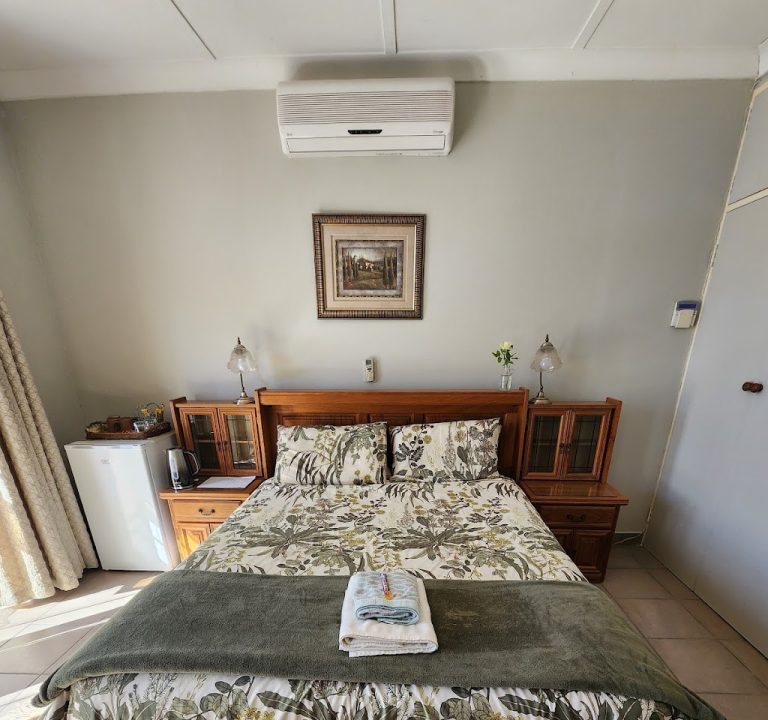
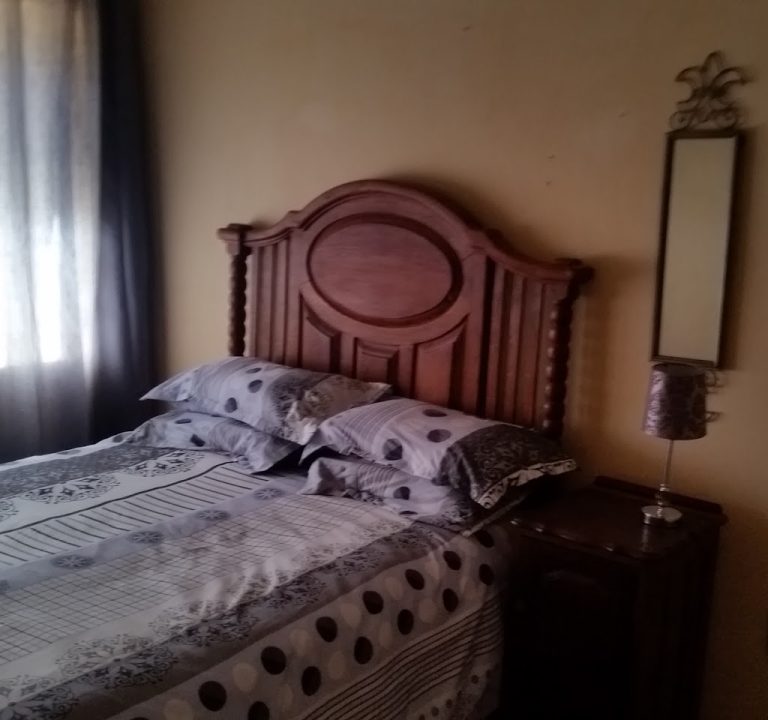
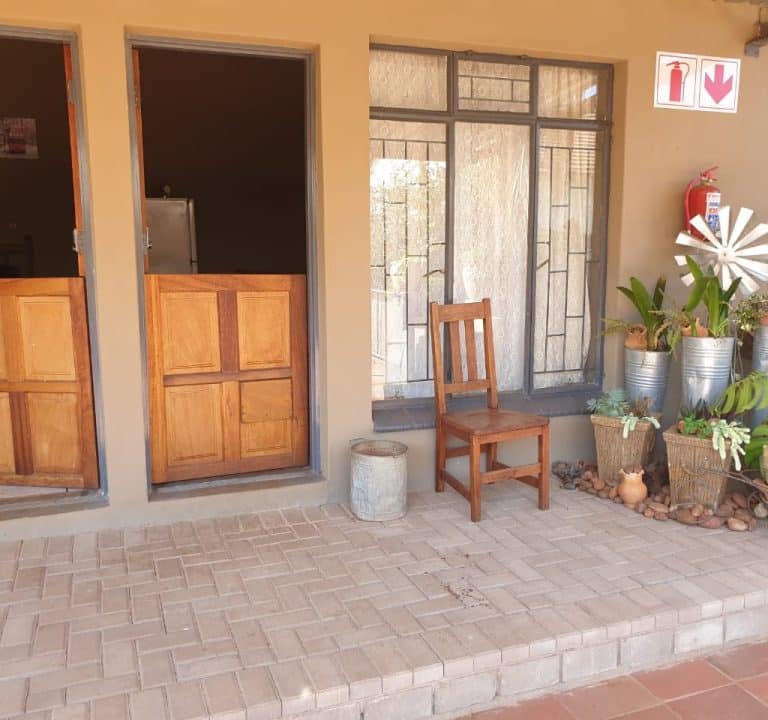
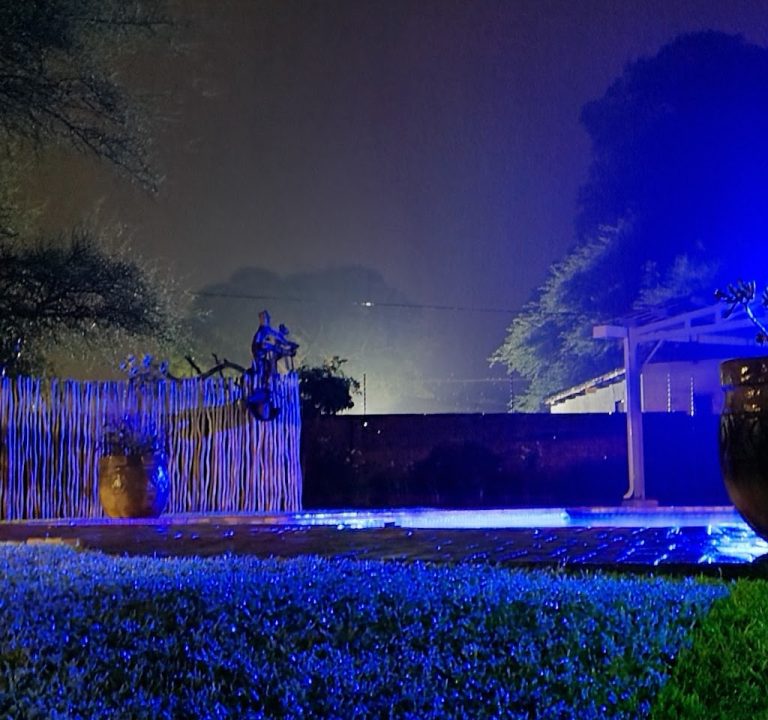
Mokopane, in Limpopo, offers a hospitality scene that blends warm South African hospitality with comfortable stays suited to both business travellers and holidaymakers. Whether you favour a petite boutique guest house, a generously proportioned lodge, or a self-contained apartment, the town acts as a practical base for exploring the surrounding wildlife reserves, markets and quiet rural landscapes. For visitors seeking a personal touch, consider an overnight at Emani Guest House, a guest house that aims to provide a hospitable, home-from-home atmosphere while you explore the area.
When planning a stay, it helps to think about location within Mokopane. Central Mokopane keeps you close to essential services, restaurants and convenience stores, and it’s convenient for day trips to nearby reserves and scenic routes. Suburban pockets and quieter residential areas can offer a more relaxed ambience and potentially more space at the same time. If your itinerary includes organised excursions, you may prefer a property that can arrange transfers or evening meals, or at least point you to trusted local operators. If you’ll have a car, look for accommodation with secure parking and easy access to major roads, especially the N1, which makes it simpler to reach wildlife areas and day-trip viewpoints.
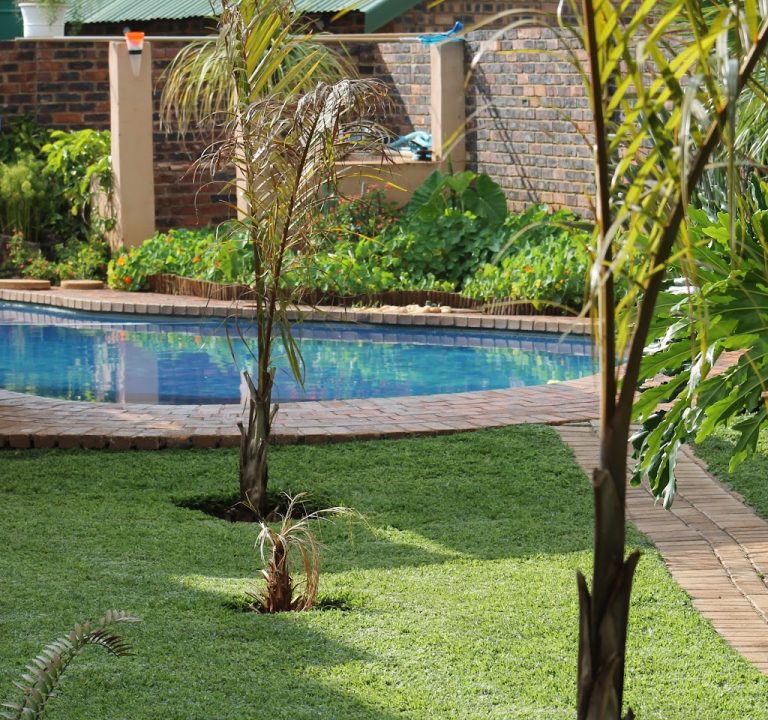
Typical amenities you can expect include free Wi-Fi, en-suite bathrooms, air conditioning or ceiling fans, and a safe place to store travel documents. Many guest houses and lodges in the region also offer breakfast, and a few provide dinner by arrangement, which can be convenient after long days out. Pools and shaded outdoor spaces are common in warmer months, giving guests a refreshing option during summer heat. If you value self-catering, several properties offer kitchen facilities or private balconies with barbecue areas, allowing you to plan relaxed evenings without venturing far for meals.
Booking considerations are worth noting. Check whether the property is primarily a guest house or a lodge, as the level of service and common areas can differ. Look at guest reviews for references to cleanliness, the responsiveness of staff, and how well the accommodation handles peak times, such as weekends or holiday periods. Confirm whether breakfast is included and, if so, what it typically comprises. If you travel with children or require accessible rooms, verify room configurations and facilities in advance. In regions where load shedding is a factor, some properties provide generators or uninterrupted power during outages—this can be a practical perk for longer stays.
Transport arrangements can shape your daily plans. A car offers the most flexibility for visiting nature reserves, markets and hillier viewpoints around Mokopane. If you don’t drive, ask your host whether they can arrange reliable local transport or recommend reputable tour operators. In some cases, there are limited public transport options, so factoring in transfer times and routes will help prevent delays. For longer excursions, booking a guided day trip in advance can provide added convenience and informative insights about the region’s flora, fauna and history.
The best time to visit Mokopane depends on your priorities. The dry winter months bring cooler temperatures and easier wildlife viewing in nearby reserves, with the landscapes taking on a crisp, clear character ideal for photography. Summer rains bring lush greenery and dramatic skies, but higher humidity and a greater mosquito presence should be considered if you plan outdoor activities. Spring can offer pleasant conditions for walking trails and markets, with a sense of renewal in the countryside. If you’re chasing special events or markets, keeping an eye on local calendars can help you time your trip to match regional happenings.
Practical tips to maximise your stay:
- Pack adaptable clothing for changing temperatures between day and night.
- Bring sensible footwear for gravel paths and light hikes around surrounding hills.
- Carry cash in small denominations where possible, though many places accept cards.
- Ask your host about nearby eateries and markets to sample regional flavours.
- Check for water-safety tips and reservoir access if you plan outdoor activities near natural areas.
When it comes to dining and local flavour, Mokopane offers informal eateries, cafés and bistros where you can enjoy hearty, simple meals and traditional dishes. Rather than focusing on specific restaurant names here, consider asking your host for current recommendations based on your preferences—whether you want a casual lunch after a morning on a reserve or a relaxed dinner after a day of exploring. For a broader sense of the region, you can explore Limpopo’s tourism pages online, which often provide pointers to reputable places to eat, shop and visit, along with practical travel notes.
In summary, Mokopane makes a practical and pleasant base for a South African countryside break. By selecting accommodation that aligns with your transport needs, desired pace and preferred level of service, you can tailor a stay that balances restful downtime with rewarding day trips. Whether you stay in a cosy guest house like Emani Guest House or another well-appointed property, planning around location, amenities, and local logistics will help you get the most from your time in Limpopo.