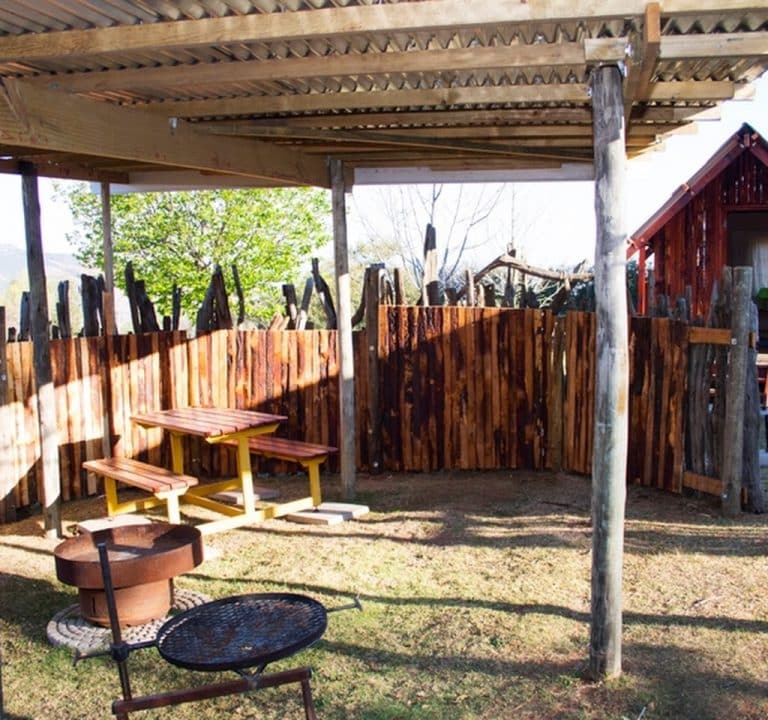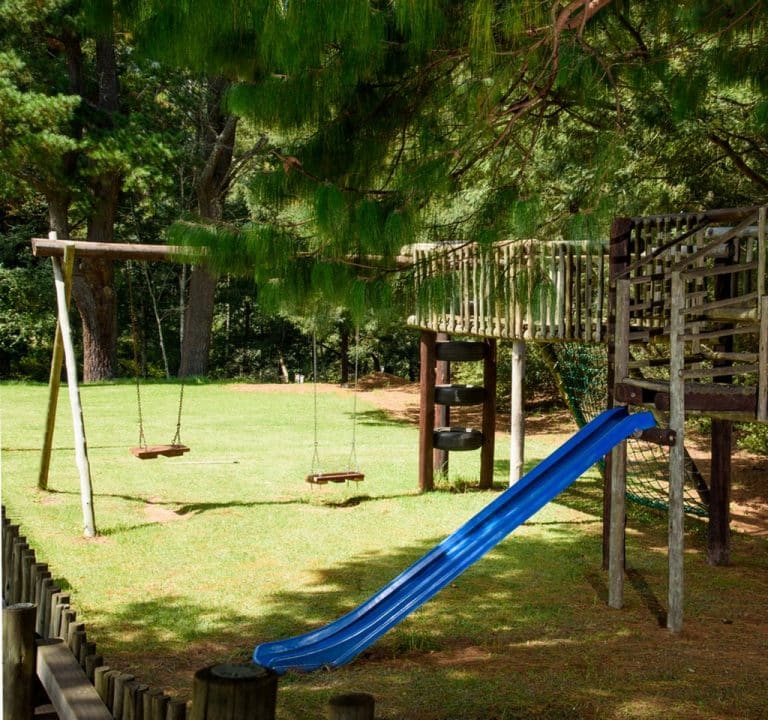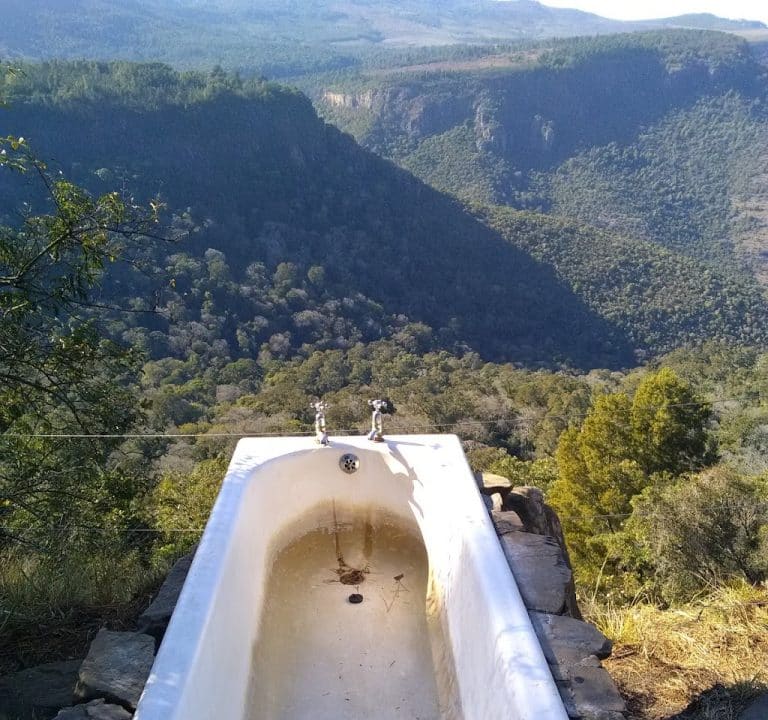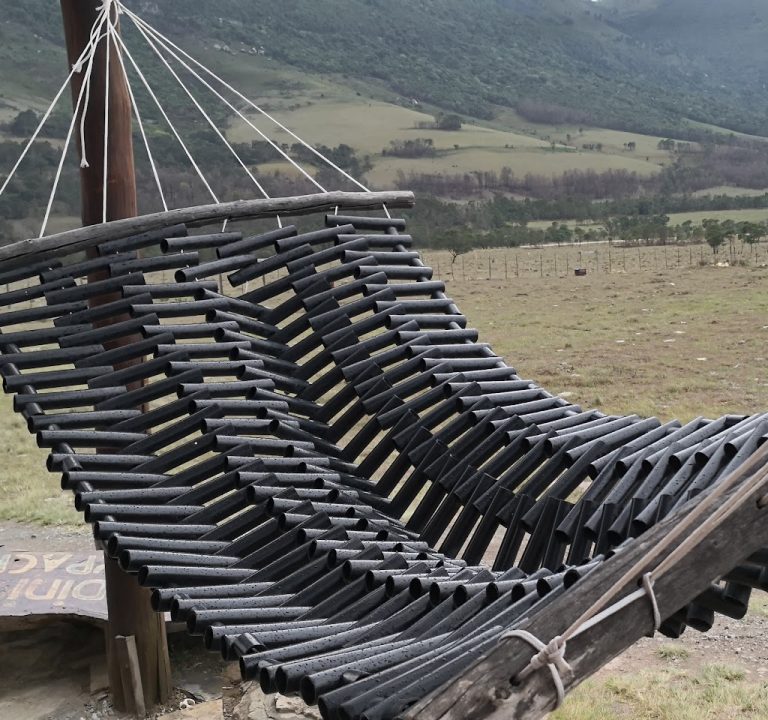
Elundini Backpackers is a Hostel establishment in Hogsback, Eastern Cape, South Africa
About Elundini Backpackers
Nestled in the heart of the Eastern Cape’s Xhosa countryside, Elundini Backpackers offers a distinctive, community‑driven stay that prioritises authentic experiences over conventional tourism. Set in the Xhosa village of Elundini, approximately 30 minutes from Hogsback, the property presents a simple yet soulful retreat where travellers can connect with local life, traditions and landscapes that are often off the usual tourist track.
The accommodation follows a traditional rondavel‑style design, with a mix of a dormitory rondavel, two double/triple/4‑sleeper rondavels, and two smaller double rondavels. The rooms are described as warm in winter and cool in summer, reflecting the region’s climate and the project’s philosophy of low‑impact living. Notably, there is no electricity in the rondavels themselves; instead, guests are seen to rely on solar and paraffin lighting, while a central electricity point in the main building provides charging for essential devices. This layout fosters a slower pace of travel and a stronger connection to the surrounding environment.
Water and sanitation practices emphasise sustainability. Rainwater is harvested and stored in large tanks for drinking and other needs, with a policy favouring water conservation and careful supply management. The site uses compost toilets rather than flushing toilets, a choice that aligns with the overarching environmental ethos. In keeping with eco‑friendly principles, hot water is produced via solar geysers and a traditional hot water “donkey,” underscoring a commitment to renewable energy sources and practical off‑grid living.
Self‑catering facilities are available, complemented by the option to join meals in the main building. Breakfast and dinner can be arranged, with home‑cooked meals typically available for dinner. Guests are encouraged to communicate their plans ahead of arrival so that catering can be planned accordingly, ensuring a communal and flexible dining experience that honours local hospitality.
Elundini’s offering extends beyond a simple place to sleep. The backpackers function as a community hub, a platform for cultural exchange and a base for exploring the Amathole Mountains and the nearby Hogsback area. Activities are largely organised by local community members who run their own small, sometimes family‑led businesses. This approach provides visitors with a window into everyday Xhosa life, from village tours to bread‑making and language lessons, all designed to be respectful, inclusive and educational.
Budget travellers will find affordable options, with camping available and dormitory and private rondavels priced to reflect the modest, communal ethos of the project. Typical rates are shared publicly, with the understanding that pricing may vary seasonally. The emphasis remains on offering value while enabling guests to participate in real, community‑driven experiences rather than conventional luxury services.
Elundini Backpackers has earned recognition for its community impact and sustainable practices. It has been highlighted in regional and international outlets as a notable example of responsible tourism and community development. The project’s dedication to preserving traditional building techniques, using local materials where possible, and integrating visitors into local life has helped it become a standout option for travellers seeking meaningful engagement with rural South Africa.
Who is this destination best suited for? Adventurous travellers who prioritise cultural immersion, environmental responsibility and a slower pace often find Elundini appealing. It suits those keen to learn about Xhosa culture, participate in village life, and explore the Amatola landscape through guided walks and community‑organised activities. The setting is especially attractive for travellers who value sustainability and a hands‑on approach to travel experiences, rather than polished, cookie‑cutter hospitality.
Nearby highlights span natural and cultural interests. The Amatola Mountains offer access to scenic hiking routes and viewpoints, while the surrounding area features forests, waterfalls and landscapes that lend themselves to day trips and longer explorations. Hogsback itself is renowned for its mountain scenery, arboreal trails and misty environs, making a stay at Elundini an integral part of a broader rural South African itinerary.
Booking and travel tips help ensure a smooth visit. Acknowledging the community‑based ethos, the property encourages bookings via WhatsApp and through its website. Practical tips include being prepared for off‑grid living: no room electricity, reliance on solar lighting, and the use of compost toilets. Guests are advised to bring a torch for evenings and to use rainwater for non‑drinking needs, with drinking water available from village taps if preferred. The recommended approach to getting there involves local transport options, with routes ending in Alice from which a taxi can reach Elundini around midday or late afternoon. This emphasis on local transport not only keeps travel affordable but also enhances opportunities to meet fellow travellers and locals along the way.
For those seeking further context or inspiration, the Elundini site highlights a range of related offerings, including community‑based workshops, eco‑building sessions and cultural activities such as Xhosa bread making. Prospective guests can explore the broader Around Elundini listings, as well as the 7 cool things to do at Elundini, to plan a stay that weaves accommodation with authentic local experiences.
- Website: Elundini Backpackers
- Nearby experiences and workshops: links available on the official site
Hogsback
Eastern Cape
5721
South Africa


Exploring Hogsback and Area Accommodation: Where to Stay and What to Do
Hogsback in the Eastern Cape is a slip of a village high in the Amatola Mountains, surrounded by forested slopes, waterfalls and dramatic viewpoints. It’s a destination for walkers, nature lovers and travellers who want a peaceful base from which to explore the surrounding valleys and forested reserves. For many visitors, choosing the right place to stay is part of the adventure, and the area offers a mix of guesthouses, cosy lodges and community-led stays that can deepen your connection with the region.
One notable option to consider is a community-based backpackers’ lodge located a short drive from Hogsback. Such a setting often prioritises sustainable living, local collaboration and authentic experiences. It can be an excellent choice if you want to combine simple comfort with cultural immersion, while supporting local families and small businesses. When you book this type of stay, you may encounter solar lighting, composting facilities and other off-grid or low-impact features that reflect the surrounding landscape and the community’s commitment to responsible tourism. If you’re drawn to this ethos, check the on-site dining arrangements and whether meals feature home-cooked dishes prepared with locally sourced ingredients.
Accommodation options in and around Hogsback typically range from rustic rondavels and wooden cabins to more conventional guesthouses and bed‑and‑breakfasts. Features you might encounter include comfortable communal spaces, hearty breakfasts, and the chance to join guided village or nature activities. If you’re travelling with a small group or family, look for family-friendly rooms, self‑catering facilities or shared kitchens. For solo travellers, a sociable common area and a friendly host can be a big plus in forming plans for day trips or evening meals.
Planning a stay in this region benefits from a flexible approach to transport. Roads into the area are scenic but winding in places; self-drive is common, but many visitors also use scheduled bus services to nearby towns and then arrange local transport or organised transfers. If you’re relying on public transport, confirm the latest routes and timetables in advance and allow extra time for mountain roads and occasional delays. For visitors staying at community-led venues, there is often a welcoming atmosphere that encourages meeting other travellers and sharing travel tips.
Best time to visit Hogsback generally aligns with milder weather and the peak of the natural displays. Spring and autumn bring temperate days with colourful flora, while summer offers lush scenery and the possibility of refreshing showers in the forests. Winters can be cooler, particularly at higher elevations, so pack accordingly with warm layers and a sturdy jacket. If you’re a hiker or birdwatcher, the shoulder seasons can be ideal for avoiding crowds while enjoying quieter trails and clearer viewpoints.
When booking, consider these practical factors:
- Location relative to the trails you plan to hike or the waterfalls you want to visit. Some options are closer to the village core, while others sit higher on the surrounding hills for panoramic views.
- Noise and light restrictions, especially if you’re staying in off-grid or eco-conscious accommodation. Some rondavels or cabins may have limited electricity and rely on solar lighting or paraffin lamps.
- Amenities and meal arrangements. See whether breakfast or dinner is included, and if self‑catering facilities are available for flexibility, particularly for longer stays.
- Access to guided activities. If you’d like to explore the Amatola trails or a local village tour, check what experiences are offered on-site or nearby and how they’re operated by local providers.
Around Hogsback, there are many ways to spend your days without needing to travel far. Forest trails weave through Afro-Montane rainforest, with highlights such as viewpoints, cascading waterfalls and ancient trees. Waterfalls and canyon trails offer rewarding walks, often ending with a refreshing dip or a picnic spot in dappled shade. For those who enjoy gentler outings, a stroll through the village and nearby forests, or a visit to viewpoints overlooking the valley, can be equally memorable.
When dining out, expect simple, seasonal menus featuring rural regional produce and hearty meals that travellers often share as a favourite evening ritual. In village eateries or guesthouse dining rooms, you’ll typically find comforting staples, from fresh breads and wholesome stews to plant-based options based on local ingredients. If you’re staying in a community-led venue, meals may be prepared with influence from traditional Xhosa culinary practices, offering a sense of place as you dine together with hosts and fellow guests.
To help you plan your stay, you can explore accommodation pages and linked itineraries on reputable local sites. For example, a community-focused hostel in the region provides practical details on room types, catering options, and how to reach the property from major transport hubs. Useful information often includes distance from the village, the types of rooms available (from dormitories to doubles and family rooms), and notes about electricity, water supply and waste management—reflecting the area’s commitment to sustainability and authentic experiences.
Whether you’re seeking a quiet escape, a base for serious hiking, or a chance to engage with local culture, Hogsback offers a welcoming blend of natural splendour and traveller-friendly stays. With careful planning, you can enjoy comfortable accommodation, easy access to trails and viewpoints, and a enriching stay that supports the surrounding communities. For more information about eco-conscious and community-led options, visit the hotel and lodge providers’ official sites, and look for guest reviews that highlight the character and warmth of stays in this remarkable corner of the Eastern Cape.
Sorry, no records were found. Please adjust your search criteria and try again.
Sorry, unable to load the Maps API.
Why Claim Your Listing?
Claiming your listing on the B&B Finder directory website is a valuable opportunity for business owners. Here are five reasons why you should consider claiming your listings:
Control Over Business Information: By claiming their listing, business owners can ensure that all the information presented is accurate and up-to-date. This includes details such as contact information, address, pricing, and available services or amenities. Accurate information helps prevent customer confusion and improves overall satisfaction.
Enhance the Listing: Once a listing is claimed, owners can enhance it by adding more comprehensive information and rich media, like high-quality photos and videos. These additions can make the listing more attractive and engaging to potential customers, thereby increasing the likelihood of bookings.
Marketing Opportunities: Claiming a listing can also open up additional marketing opportunities. Owners may be able to participate in promotional campaigns, special offers, and other marketing activities organized by the directory. This can increase visibility and attract more customers to the business.