Plettenberg Bay: Where to stay, what to do and how to plan a memorable visit
Plettenberg Bay, on the spectacular Garden Route in the Western Cape, offers a mix of beaches, nature reserves and a relaxed coastal vibe that appeals to families, couples and solo travellers alike. Whether you are seeking boutique stays, guest houses with a personal touch, or self-catering options close to the sands, the area provides a range of accommodation to suit different budgets and preferences. Planning a stay involves choosing a neighbourhood, understanding transport options, and knowing when to visit to make the most of what the region has to offer.
Areas to consider when booking include the town centre and the central beaches, where character-filled guest houses and small hotels cluster near the lagoon and the main promenade. If you prefer a quieter pace with sea views, look to chalets, lodges and guest houses set along the coastal bluffs or within short drives to Robberg Peninsula. Keurboomstrand and nearby villages offer easy access to sandy coves and calmer waters, while The Heads and Beacon Isle catchment areas provide proximity to restaurants, shops and longer coastal walks. Each area has its own flavour: some are more resort-like with family-friendly facilities, others are intimate, with personalised service and a cosy, homely atmosphere.
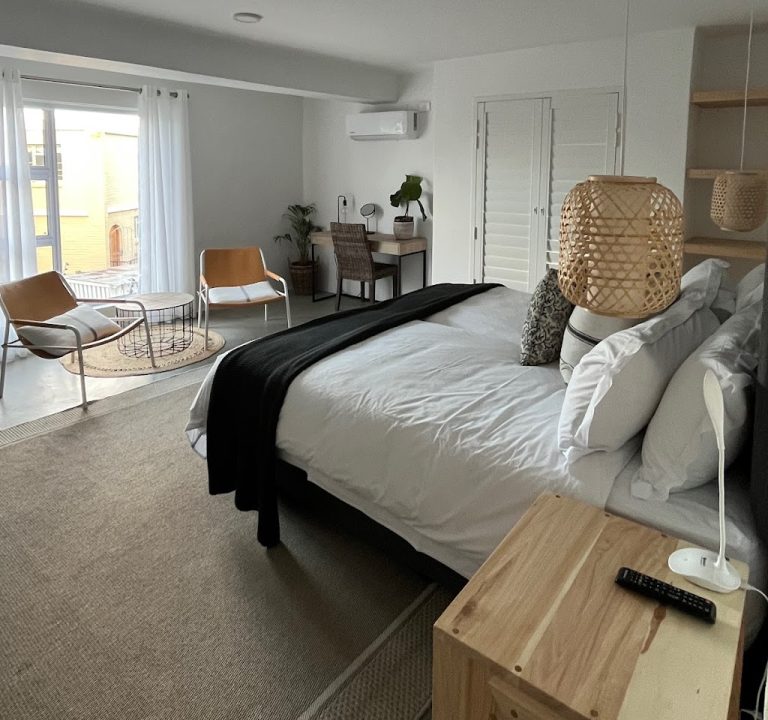
Typical amenities to look for when booking include en-suite bathrooms, reliable Wi‑Fi, off-street parking, and clear access to outdoor spaces such as balconies, decks or gardens. For families, family rooms or interconnecting suites, child-friendly facilities, and easy beach access can be important. For couples or travellers seeking a quiet escape, look for rooms with sea views, private terraces, and a relaxed, design-conscious interior. Many guest houses and small hotels offer breakfast inclusions, which can be convenient for day trips, while some self-catering options provide fully equipped kitchens for flexible dining. If you plan to explore nearby towns, check whether the property offers loungers, outdoor showers or easy beach access for convenience during long days on the coast.
Transport options in Plettenberg Bay are straightforward for most visitors. A rental car is often the easiest way to move between beaches, nature reserves and dining venues, and it gives you the freedom to explore at your own pace. Local taxi services and rideshares are available, though schedules can be more limited than in larger cities. If you are staying near the town centre, walking or cycling along the marine promenade is pleasant and safe, especially in the cooler morning and late afternoon hours. For day trips further afield, a car or organised tour can simplify coastal drives and park visits.
The best time to visit Plettenberg Bay depends on what you want from your trip. Summer (roughly December to February) brings warm seas and longer days, ideal for beach days and water activities. Spring (September and October) can be excellent for wildlife watching and milder weather, while autumn offers quieter beaches and pleasant coastal scenery. Winter (June to August) is cooler and can be charming for fireside evenings at guest houses, but the sea is often too cool for swimming for extended periods. If you’re interested in marine life, plan ahead for whale watching and penguin sightings during the recognised seasons, and be mindful that weather and ocean conditions can influence which activities are most enjoyable on any given day.
When planning activities, consider a mix of nature-based experiences, coastal walks and a couple of slower, restorative days. The area is known for its beaches, rocky coves and nature reserves with scenic trails, wildlife viewing opportunities and birdlife. Robberg Nature Reserve, with its coastline paths and seal populations, is a popular choice for walkers, while the long Bay stretches are ideal for sunbathers and families with shallow waters in certain stretches. For a more leisurely day, you might combine a relaxed beach visit with a short boat trip or a boat-based activity offered along the coastline, subject to weather and safety guidance. The region also supports a variety of guided experiences that cover local ecology, coastal geology and maritime history, allowing visitors to learn more about the area while keeping the pace gentle.
Dining in Plettenberg Bay ranges from casual seafood shacks to more refined eateries, many of which favour coastal ingredients and seasonal dishes. In town, you will find informal cafés and bistros alongside places with course menus and wine lists. For a relaxed evening, look for venues with outdoor seating where you can enjoy the sea breeze and sunset colours. If you stay at a guest house such as Eleven Guest House or other boutique properties, you may be offered recommendations or even built-in experiences with hosts who can arrange transfers, local tours or restaurant bookings. Always check what is included in your stay and whether you can reserve tables ahead of peak times, particularly during holiday periods or weekends.
Practical tips to help you make the most of your Plettenberg Bay break:
- Book accommodation with easy access to a beach or a scenic walk, especially if you plan to spend several days outdoors.
- Check parking arrangements and whether access to common spaces is available if you are travelling with children or large luggage.
- Confirm breakfast options or kitchen facilities if you prefer to self-cater for some meals.
- Plan a flexible itinerary to adapt to weather changes; coastal days can vary quickly with wind and waves.
- Book longer-stay stays or multiple properties if you want to sample different neighbourhoods and views.
Whether you choose a cosy guest house with a home-from-home ambience, a boutique hotel with ocean-facing rooms, or a self-catering retreat set above a golden beach, Plettenberg Bay offers a welcoming base for encounters with nature, coastline and laid-back South African hospitality. With thoughtful planning—balancing seaside leisure, walks in nature and time in town for eateries and shops—you can craft a stay that feels both restful and richly connected to the region.