St Lucia, KwaZulu-Natal: Where to stay, what to do and how to plan your visit
St Lucia in KwaZulu-Natal is a serene gateway to coastal scenery, wetlands and wildlife experiences. When planning a stay here, you’ll find a range of accommodation styles that suit different itineraries, from intimate BnBs and guesthouses to boutique lodges and riverfront hotels. The town is a practical base for exploring the iSimangaliso Wetland Park, the coast, and nearby beaches, while still offering friendly, walkable neighbourhoods, restaurants and markets.
Choosing where to stay depends on what you want from your trip. If you crave easy access to the town’s waterfront promenade, look for properties within walkable distances to shops, cafés and the harbour. For wildlife or nature enthusiasts, consider lodging situated near water channels or nature reserves, where you can wake to birdsong and early morning light over the estuary. If privacy and views are priorities, seek out lodges perched on higher ground or set back from main streets with panoramic ratios of river, mangrove, and distant sea views.
Typical accommodation types you’ll encounter include guesthouses with private suites and shared spaces, small-scale boutique hotels with stylish interiors, and family-run lodges with terraces or verandas. One established option in the area is a riverside inn that blends indoor comfort with easy access to outdoor activities. Look for places that offer flexible check-in times, secure parking, and clear guidance on local transport options, as these are especially important in fairly rural or coastal settings.
What to look for when booking
- Location: proximity to the town centre, river or park entrances, and suggested walking routes.
- Amenities: reliable hot water, well maintained rooms, air conditioning or fans for warm evenings, and secure storage for luggage or equipment.
- Safety and accessibility: well-lit parking, in-room safes, and clear access information for stairs or lifts.
- Breakfast and dining: whether a full or continental breakfast is included, and options for dietary needs.
- Booking terms: cancellation policy, minimum stay requirements, and whether the property can assist with local activities or guided tours.
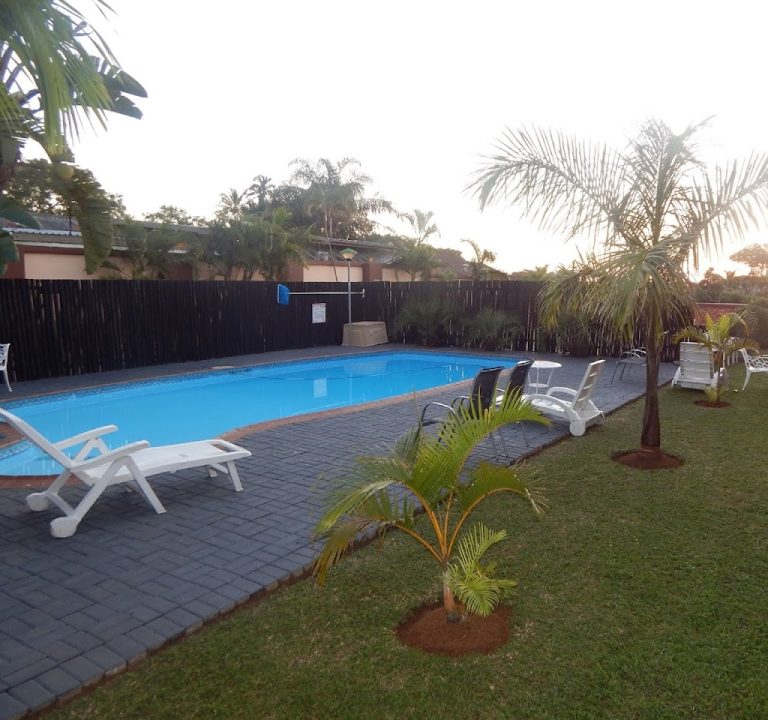
The typical amenities you might enjoy include air-conditioned rooms, en-suite bathrooms, comfortable communal areas, free Wi‑Fi, and shaded outdoor seating. Some establishments offer ensuite verandas with river views, small plunge pools, or sun decks. If you are staying with family or a group, you may prefer a self-contained suite or a family room with separate bedrooms. In peak season, expect a friendly, full-house atmosphere where hosts can share local tips on where to see wildlife, where to eat, and how to navigate the waterways.
Planning transport and getting around is straightforward but requires a little foresight. The town is compact enough for leisurely strolls, but for ventures into iSimangaliso or longer day trips, consider rental cars or organised tours. If you don’t drive, check whether your chosen accommodation offers a shuttle service or can organise transfers to nearby beaches and reserves. Boat trips and guided safaris are popular nearby activities, so ask hosts for reputable operators or guest-friendly options that suit your schedule.
The best time to visit St Lucia is influenced by weather and wildlife activity. The dry winter months (roughly May to August) tend to be cooler and are a good period for birdwatching along the estuary; however, some wildlife can be more elusive, and sea conditions vary. The wet summer season (November to March) brings lush landscapes and a greater variety of bird and animal life, though humidity and rain can be higher. Shoulder seasons can offer a balanced mix of pleasant weather, fewer crowds and mid-range rates. Regardless of when you go, early mornings and late afternoons are ideal for wildlife watching and photography, while mid-day can be best reserved for indoor or shaded activities and meals.
Practical tips to enhance your stay
- Pack layers: coastal weather can be variable, with cool mornings and warmer afternoons. A light jacket or cardigan is often useful, especially near the water or in open-air areas.
- Sun protection: bring sunscreen, a hat and a refillable water bottle—staying hydrated is important in the subtropical climate.
- Respect wildlife: observe from a distance, follow park guidelines, and keep noise to a minimum during dawn and dusk when animals are most active.
- Dining locally: try a mix of casual eateries and mid-range restaurants to experience the local flavours, from seafood-inspired dishes to farm-fresh produce.
- Budgeting: stagger your trip with a few longer stays in one place and day trips to nearby reserves or beaches to balance travel time and costs.
For accommodation inspiration and planning, look for reputable booking platforms that show candid guest reviews, photos, and up-to-date information about amenities. If you are seeking a comfortable, community-focused option, Elephant Lake Inn offers a typical example of how inland lodging in St Lucia combines restful interiors with easy access to the surrounding wetlands and town facilities. While in St Lucia, you’ll also find a range of other guesthouses, BnBs and boutique lodges that emphasise a warm, personal touch and practical, traveller-friendly services. Always verify details before booking, and enjoy the friendly pace and natural beauty that characterise this part of KwaZulu-Natal.