Polokwane: Accommodation, attractions and practical tips for travellers
Polokwane, the capital of Limpopo, offers a welcoming mix of guesthouses, lodges and contemporary hotels that suit a range of styles and budgets. When planning a stay, begin by thinking about your pace and priorities—whether you want easy access to the city’s services, proximity to nature reserves, or a quiet base from which to explore the surrounding province. The town is well connected by road, and the airport serves domestic flights, making a short break or a longer countryside escape convenient for many travellers.
Key areas to consider when choosing accommodation include the city centre for easy access to shops, restaurants and business services; the Fauna Park area, which often provides a quieter residential feel while still being close to amenities; and suburban belts near the major arterials that lead out to nature reserves and game lodges. If you are after a more intimate experience, you’ll find guest houses and boutique stays tucked away in leafy streets or within easy walking distance of central Polokwane’s dining scene. When researching, look for the distance to the places you plan to visit, plus information about parking and security, which can be important in busy urban settings.
Booking considerations are straightforward but worth a closer look. For a comfortable stay, check what the room layout offers (en-suite facilities, ceiling fans or air conditioning, and noise levels), as well as common areas such as a guest lounge, garden spaces, and a reliable Wi‑Fi connection. A continental or breakfast-inclusive option can simplify mornings, especially if you are setting out for a day of exploration. Since many stays in Polokwane blend hospitality with local character, you may find hosts offering tips on regional experiences, from markets to markets to occasional live music evenings—these can enrich your visit without being the primary reason for booking.
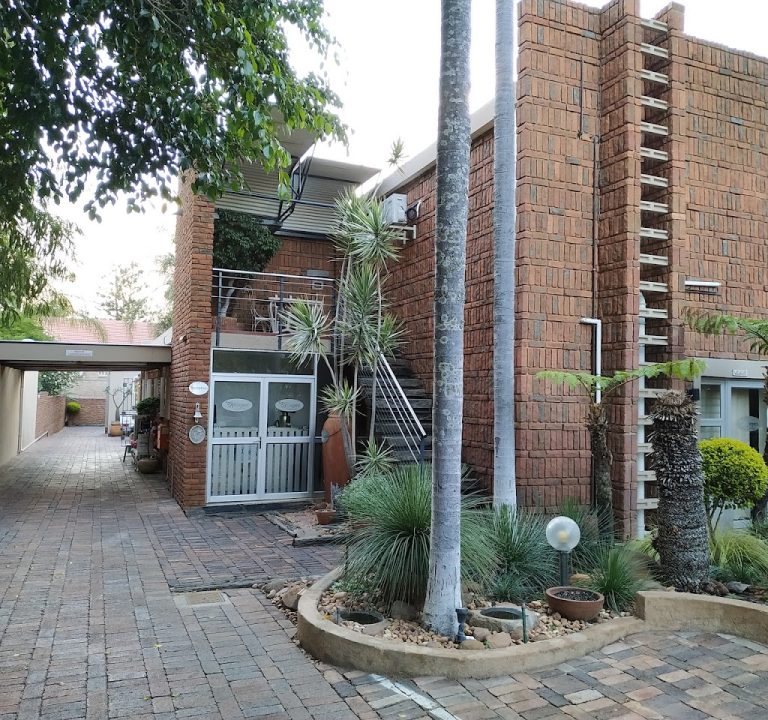
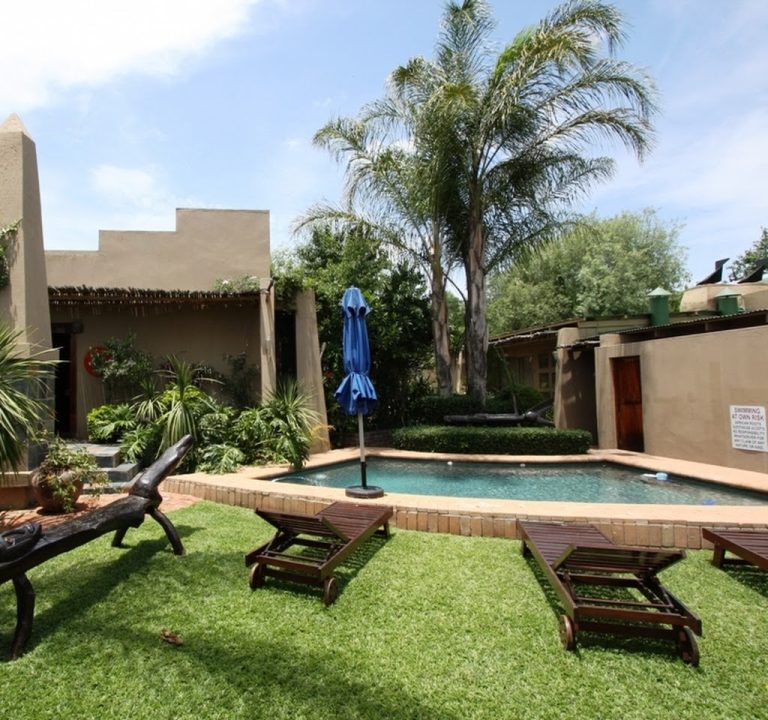
Typical amenities you might encounter include secure parking, a small outdoor pool or courtyard, and self-catering facilities in some units. Expect well-equipped bathrooms, good housekeeping, and responsive hosts who can advise on current local conditions, transport routes and safe neighbourhoods. For families or groups, family rooms or multiple-bedroom suites can provide greater flexibility and value. If you are travelling with a vehicle or prefer flexibility, enquire about late check-in options and easy access to major roads rather than relying on city centre parking alone.
Transport in Polokwane is practical for most visitors. A hire car offers the greatest freedom to explore the surrounding region, including nature reserves, cultural sites and day trips to nearby towns. Within the city, rideshare services and local taxis provide alternatives, though planning ahead for peak times can help. If you plan to venture out of Polokwane into the surrounding game reserves or botanical attractions, check whether your accommodation can arrange guided outings or provide information on reputable operators. Many stays also offer handy maps and insider tips to help you plan efficient days, maximising your time in Limpopo while minimising travel fatigue.
The best time to visit Polokwane generally aligns with the wider Limpopo climate. The region experiences a warm climate with a distinct wet season, typically from late spring to early autumn, which can bring colourful landscapes and lush vegetation. However, conditions vary, so consider your plans for outdoor activities such as nature walks, birdwatching or guided safaris when choosing your dates. If your itinerary includes markets or alfresco dining, late afternoons and early evenings are particularly pleasant in most seasons. For those seeking the most comfortable conditions for outdoor exploration, late autumn or early winter can offer cooler days with ample sunshine, while still keeping the doors open to garden spaces at guesthouses and lodges.
When planning activities, Polokwane offers a steady rhythm of experiences that suit many interests. Beyond the usual shopping and dining, you can expect opportunities to learn about local culture, enjoy countryside scenery, and observe wildlife in nearby reserves. For a relaxed day, stroll through parks, sample regional cuisine at casual eateries, and browse local markets for crafts and fresh produce. If you enjoy nature, you’ll find that nearby landscapes offer birdwatching and easy walking trails, while longer excursions can be arranged to more expansive parks or game-viewing areas with knowledgeable guides. Remember to pace your days, especially if you are staying in one place for a short break.
Practical tips to help you make the most of your stay:
- Confirm the exact distance to the city centre and key attractions when booking.
- Ask about security features, on-site parking and access to a 24-hour reception if you require late arrivals.
- Check whether breakfast is included and what dining options are available nearby for other meals.
- Inquire about airport transfers or convenient transport links for day trips.
- Bring light layers for differing indoor and outdoor temperatures, particularly if you travel in transitional seasons.
For a well-rounded stay in Polokwane, look for accommodation that offers warmth and practicality in equal measure. A good host can be a valuable resource, sharing local dining suggestions, practical travel tips and easy access to both urban conveniences and natural landscapes. Whether you choose a modern guesthouse, a boutique lodge or a comfortable hotel, Polokwane serves as a convenient base for discovering Limpopo’s wider appeals, from wildlife experiences to cultural encounters, all within reach of a straightforward transport network and friendly, hospitable settings.