Soweto, Gauteng: Accommodation and how to plan a memorable stay
Soweto, just south-west of Johannesburg, offers a rich tapestry of history, culture and everyday South African life. When planning a stay, consider the neighbourhoods that suit your style and interests, from lively urban hubs to quieter residential areas with easy access to central Soweto’s sights. Whether you prefer a guesthouse with a homely feel, a small boutique hotel, or a family-friendly lodge, there are options that balance comfort with genuine local flavour.
Accommodation in Soweto often centres around a few key areas. The Vilakazi Street area, famed for its historical associations and vibrant dining scene, is a popular base for visitors who want to be close to central attractions while still enjoying a welcoming, guest-focused atmosphere. Other well-regarded areas include Pimville, Naledi, and Orlando, each offering a different character—from leafy suburbs with calm, safe streets to busier stretches with easy access to restaurants and markets. When booking, think about proximity to the sights you plan to visit, as well as transport links for getting around without too much hassle after dusk.
Many places to stay in Soweto emphasise hospitality and a sense of community. Typical amenities you might encounter include complimentary breakfast, Wi‑Fi, secure on-site parking, en-suite bathrooms, air conditioning or fans, and daily housekeeping. Some properties provide information on local tours or even basic cultural experiences, which can be a helpful way to learn about the area without planning every detail yourself. If you’re travelling with family or a larger group, look for options with flexible room configurations, communal lounges, or self-catering facilities. Always check recent guest reviews for insights on noise levels, security, and the friendliness of staff.
When choosing where to stay, consider transport arrangements. Soweto itself is best explored with a mix of walking, car or ride-hailing transport, and organised tours. Many guesthouses and hotels offer secure parking; others will be happy to arrange private transfers or guided city walks. If you plan to visit multiple attractions in a day, ask about tailored itineraries or recommended routes that minimise transit time. For those who prefer public options, the area is served by various taxi services and ride‑hailing apps, with some lodgings near main roads or transit hubs for easy pickup and drop-off.
The best time to visit Soweto typically aligns with South Africa’s favourable weather windows. Spring (September to November) and autumn (March to May) offer pleasant temperatures for sightseeing and outdoor meals, with fewer extreme heat days. Summer (December to February) brings warmth and occasional rainfall, which can be accommodated if you enjoy lush scenery and late-afternoon thunder showers. Winter (June to August) can be cool but dry, which some travellers favour for comfortable day trips and easy parking. Consider the events calendar when planning your stay, as local markets and cultural happenings often celebrate music, crafts and food throughout the year.
Top practical tips for planning your stay:
- Book in advance during peak travel periods and festive seasons to secure a comfortable room in your preferred area.
- Ask your host about safety tips for evening walks and recommended dining options within walking distance.
- Clarify what is included in breakfast, and whether meals can be arranged on-site or nearby.
- Check the availability of reliable Wi‑Fi and private parking if you’re driving a rental car.
- Request guidance on safe, family-friendly activities if you’re travelling with children, or on guided experiences designed for adults.
Attractions in and around Soweto range from historically significant sites to vibrant markets and green spaces. Visitors often begin with a general sense of the area’s past, its abolition of apartheid’s struggles, and the everyday life that followed. Beyond these broader themes, there are markets, museums and scenic viewpoints that offer a sense of place without requiring extensive planning. For a well-rounded visit, pair self-guided explorations with guided experiences to gain local perspectives on culture, heritage and daily life.
Food plays a central role in Soweto’s appeal. Expect a dining scene that reflects the neighbourhood’s diversity, with urban eateries and informal street-food spots offering hearty, flavourful dishes. Rather than fixed menus, you’ll often discover seasonal specials and regional staples. If you’d rather not travel far for meals, many accommodation options provide recommendations or on-site dining selections, which can be a practical way to sample local fare with ease after a day of sightseeing.
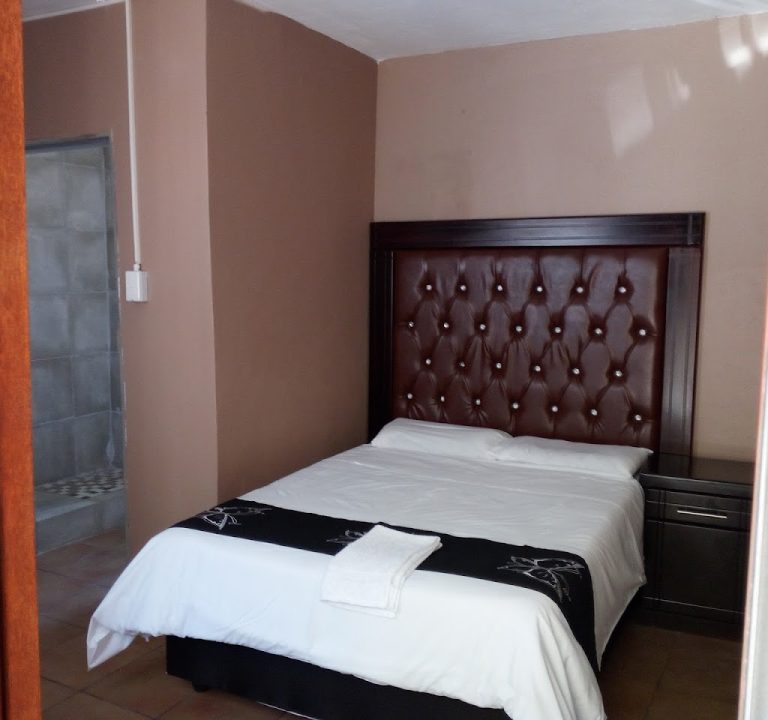
As a practical example of lodging within Soweto, consider Eldos Guest House, a place that typifies the region’s friendly, community-oriented hospitality. While individual offerings vary, such properties commonly provide comfortable rooms, practical amenities, and easy-access locations for exploring nearby sights. When researching, look for recent guest feedback on cleanliness, breakfast options, and staff attentiveness to help ensure a smooth stay.
Finally, plan with flexibility. Soweto’s charms are often found in the open-air markets, street-level conversations, and day-to-day rhythms of the neighbourhoods. Allow time for spontaneous discoveries, such as a casual meal on a neighbourhood corner or a friendly chat with your hosts about less-publicised experiences. With thoughtful planning, your Soweto stay can be as relaxed or as immersive as you wish, balancing comfortable accommodation with authentic, below-the-surface insights into this vibrant part of Gauteng.