Staying in Plettenberg Bay: where to stay and what to do
Plettenberg Bay, on the scenic Garden Route of the Western Cape, offers a welcoming mix of coastal charm, natural beauty and restful retreats. When planning a stay, think about which stretch of coastline or hinterland you’d most like to wake up to, how you’ll get around, and what pace of holiday you crave. The town centre, Robberg Peninsula and the nearby countryside provide distinct experiences, all within easy reach of beaches, forests and excellent South African hospitality.
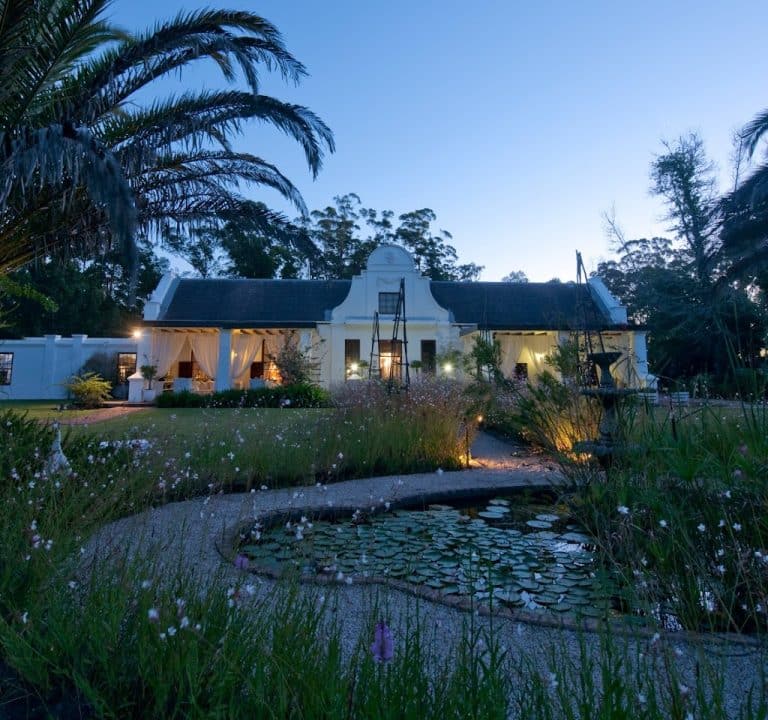
For accommodation, a mix of B&Bs, guesthouses, boutique hotels and self‑catering options can suit most tastes. A family-friendly B&B in a residential neighbourhood can provide a homely base with included breakfast and personalised tips from hosts, while a small lodge or guesthouse near the town centre may offer quick access to beaches, shops and restaurants. If you’re seeking a serene escape, a coastal estate or hillside retreat a short drive away can deliver breathtaking views and a sense of space. A notable example in the area is Edenbrook Country Manor, a bed-and-breakfast property with a reputation for attentive service and comfortable rooms. Such establishments typically advertise features like en-suite bathrooms, wifi, parking and garden or courtyard spaces, with hosts ready to share local recommendations. See their website for current details and availability.
Areas to consider when booking
- Town and beachfront zones: Staying near the central area or along the coast makes it easy to stroll to sandy coves, markets and cafés. These locations tend to be busier in peak season, so early booking is advised.
- Robberg and hillsides: Properties with views of the bay or the Robberg Peninsula offer dramatic sunsets and a peaceful atmosphere, while still being a reasonable drive to beaches and trails.
- The Crags and hinterland: A quieter alternative, often surrounded by indigenous fynbos and forest. Access to nature trails, wildlife and fresh-air activities is convenient, with a more secluded stay.
- Family-friendly pockets: If travelling with children, look for accommodation with secure gardens, easy beach access and clear information about nearby activities.
What to look for when you book
- Location relative to activities: proximity to beaches, nature reserves, and recommended walking or cycling routes can save time.
- Parking and transport: assess whether parking is on-site or plentiful nearby, and consider whether you’ll hire a car or rely on local transfers.
- Amenities: air conditioning or fans for warmer months, a well‑equipped kitchen or breakfast options, private outdoor spaces, and reliable wifi for planning days.
- Safety and access: well-lit streets, easy access to beaches with lifeguards or local safety guidance, and clear walkways if you’ll be exploring on foot.
- Hosts and experiences: many local hosts provide personalised tips for trailheads, viewpoints, markets and day trips. A friendly, responsive host can greatly enhance your stay.
Typical amenities and practical tips
- Comfort and quality: expect comfortable beds, clean en-suite bathrooms, and pleasant common spaces such as verandas or gardens where guests can unwind after day trips.
- Breakfast and dining: a hearty breakfast is a highlight for many B&Bs, with options ranging from continental selections to cooked favourites. Some properties may offer evening meals or private dining by arrangement.
- Outdoor living: Plettenberg Bay’s climate suits outdoor spaces. Look for patios, braai facilities or garden seating where you can relax after a day of sightseeing.
- Transport planning: a car is often the most convenient way to explore the region, with scenic drives to beaches, viewpoints and forest trails. If you’re not driving, check whether your host can assist with transfer arrangements or local tour suggestions.
- Best time to visit: the peak season runs from November to February, when warmth and longer daylight hours enhance beach-going and outdoor activities. Winter (June to August) brings milder days with rainy spells possible, while spring and autumn offer pleasant shoulder-season conditions with fewer crowds and lower rates.
Attractions and experiences in general terms
- Beaches and coastline: Plettenberg Bay’s beaches are a draw for sunbathers, paddlers and walkers, with tidal pools, long sands and scenic headlands.
- Nature reserves and trails: nearby protected areas offer scenic hikes, wildlife viewing and opportunities to observe coastal vegetation and birdlife.
- Coastal towns and markets: local markets and riverside or harbourfront strolls provide a sense of place, with crafts, local produce and regional flavour.
- Food and drink: the area offers cafés and restaurants that emphasise fresh seafood, farm-to-table ingredients and South African culinary influences.
- Optional day trips: you can plan excursions to neighbouring towns or nature attractions that showcase the region’s biodiversity and landscape.
Restaurant and dining guidance
- Seek places with menus highlighting local produce and seafood, and with a relaxed, friendly atmosphere suitable for families and couples.
- Many venues welcome pre-booked reservations for peak times; some properties can assist with recommendations or bookings and offer flexible dining options for guests.
Website resources
- For a sample stay, you may explore Edenbrook Country Manor at http://www.edenbrook.co.za/ to get a sense of typical B&B arrangements and how hosts present their rooms and experiences.
In summary, Plettenberg Bay is ideally suited to a flexible itinerary that blends beach days, nature walks, leisurely meals and easy day trips. By choosing a well-situated accommodation with thoughtful amenities and a host who can tailor tips to your interests, you can enjoy a balanced and memorable stay along the Southern Cape coast.