Staying in Gqeberha: accommodation, dining and local experiences in the Eastern Cape
Gqeberha, formerly Port Elizabeth, is a coastal city in the Eastern Cape that blends generous maritime vistas with accessible inland scenery. When planning a stay, consider choosing a neighbourhood that suits your pace: the beachfront areas offer easy access to the sea and evening promenade strolls, while the city centre and nearby suburbs provide convenient access to attractions, dining and transport links. An understanding of local geography helps you maximise your time, particularly if you plan day trips to nearby reserves or coastal towns along the Garden Route corridor.
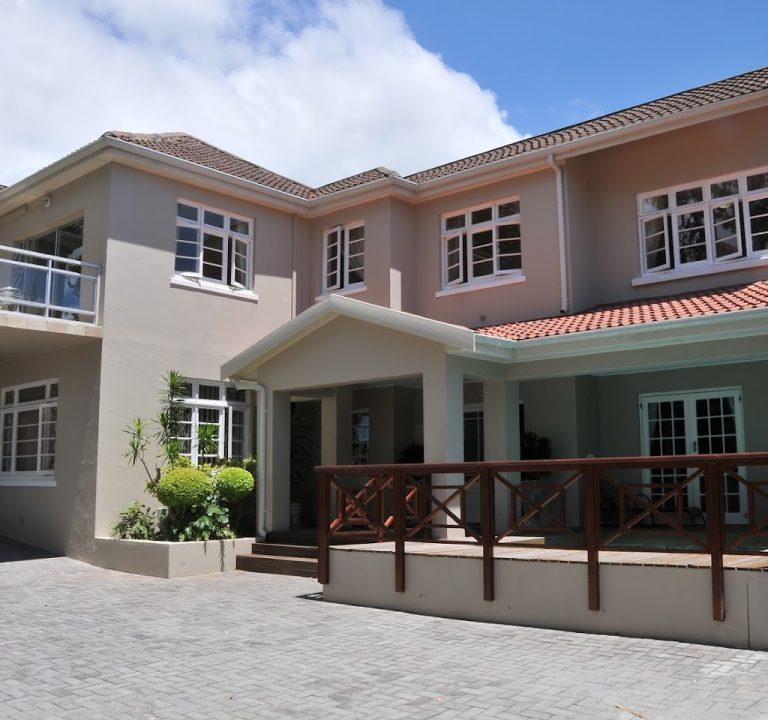
Accommodation in Gqeberha ranges from stylish guest houses and intimate B&Bs to modern hotels and self‑catering options. For a more homely, guest‑house experience, look for properties that highlight individual rooms with private or en‑suite facilities, a shared dining area, and reliable housekeeping. If you’re visiting with family or a group, consider options that offer flexible layouts, parking, and perhaps a small kitchenette. A stay at a guest house such as Eden Road Guest Suites, situated in a well‑connected neighbourhood, can provide a comfortable base with personal touches and local insight, along with easy access to transport routes. See the property’s site for practical details and current amenities: Eden Road Guest Suites.
What to look for when booking: a clear description of room configurations, privacy provisions (en‑suite vs. shared facilities), and whether breakfast is included or available onsite. Check reviews for the consistency of housekeeping, noise levels, and the responsiveness of hosts or management. Confirm parking availability if you’ll be driving, and ask about proximity to main routes and public transport stops. Accessibility features, late check‑in options, and bathtubs versus showers can also influence comfort, especially for families or older travellers. Where possible, request a gentle arrival process and a map of nearby conveniences such as supermarkets, laundries, and medical facilities.
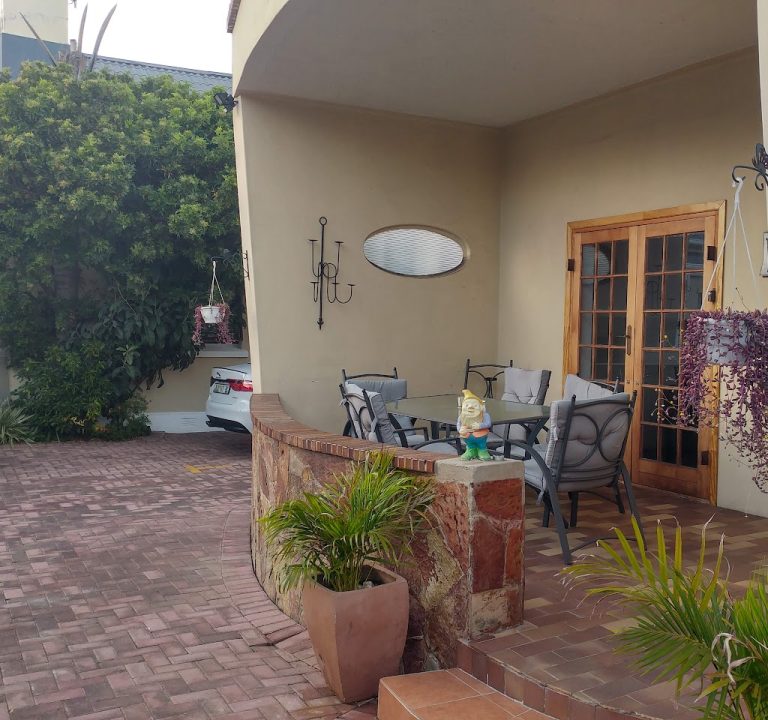
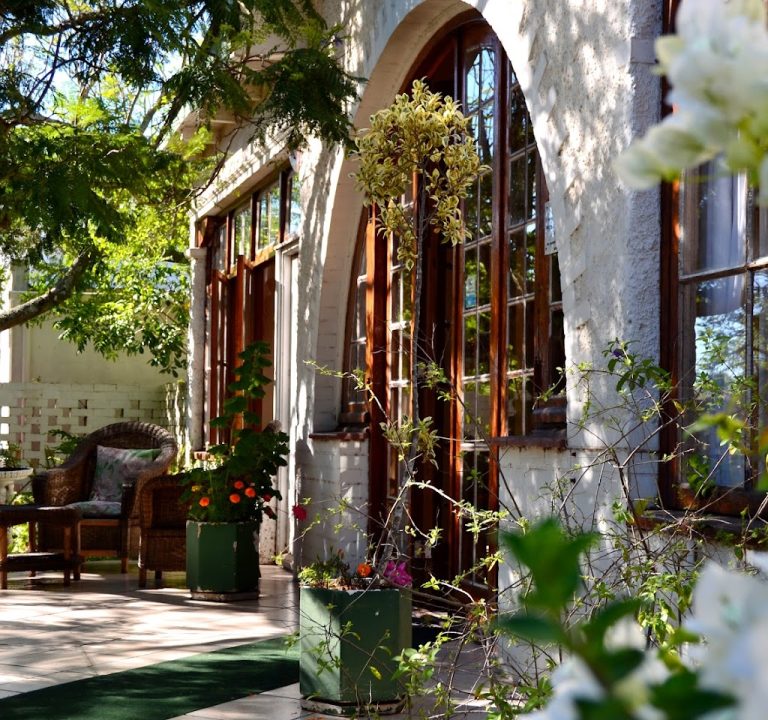
Facilities and typical amenities you might expect include free Wi‑Fi, air conditioning or fans for coastal humidity, clean linen and towels, and coffee/tea provisions. Many guest houses offer communal lounges or verandahs where guests mingle, share tips, and plan outings. If you want a quieter stay, look for smaller properties with dedicated guest spaces and reinforced privacy. For longer visits, verify laundry facilities and the availability of kitchen access or self‑catering options, as these can greatly simplify daily routines and dining costs.
Transport in Gqeberha is practical but varies by area. A car is usually the most convenient way to explore beyond the immediate beachfront and city centre, giving you the freedom to visit beaches, parks and wildlife reserves at your own pace. Within central areas, you may be able to walk to cafés, markets and attractions, while some districts are well served by rideshare services and dependable taxi options. If you’re staying near the waterfront or a major road hub, you’ll likely enjoy straightforward access to popular day trips along the coast or inland routes toward the FA jump points of the region.
Best time to visit combines coastal weather with events and school holiday calendars. The summer months bring warmer days and ocean breezes, ideal for beach walks and outdoor dining, while the shoulder seasons can offer comfortable temperatures and fewer crowds. If you are keen on whale watching or birding, plan trips to coastal reserves or nature parks where seasonal migrations are best observed. Be mindful of the south‑easterly winds that can affect boating and open‑air activities, and pack adaptable layers for morning and evening transitions.
Dining and local experiences in Gqeberha run the gamut from casual eateries by the sea to smarter dining rooms, with a focus on seafood, game dishes and regional produce. You’ll find restaurants that cater for families, groups, and couples, often with terrace seating that capitalises on sea views or city terraces. For a balanced stay, pair booked meals with spontaneous cafe visits, especially in historic or artsy quarters where cafés warmly welcome travellers with good coffee, light lunches and local pastries. Being close to markets and bakeries can also yield pleasant discoveries, from fresh bread to regional delicacies.
When planning activities, mix natural highlights with cultural and historic moments. Coastal walks along promenades, lighthouse viewpoints, and safe swimming beaches are popular options, while parks and nature reserves offer wildlife sightings and scenic drives. City sightseeing can also include museums, art galleries, and heritage sites that tell the story of the Eastern Cape and its communities. If you enjoy guided experiences, look for reputable operators offering day trips that emphasise conservation, local communities, and sustainable tourism practices. Always book reputable operators and verify inclusions such as transport, meals, and entry fees so you know what to expect on the day.
Practical tips for a smooth stay:
- Book early for peak seasons and school holidays to secure preferred areas and rooms.
- Choose accommodation with clear cancellation policies and flexible check‑in times where possible.
- Request a map or local guide from your host to avoid common detours and to discover hidden gems.
- Pack sun protection, lightweight layers for varied coastal weather, and a reusable water bottle for sightseeing days.
- Budget for a mix of self‑catering and dining out to enjoy both convenience and local flavours.
Ultimately, a stay in Gqeberha offers a balanced mix of sea air, comfortable accommodation, and opportunities to explore a region that blends urban life with natural beauty. With thoughtful planning, you can choose a neighbourhood and a property that fit your pace, enjoy accessible dining options, and create a varied itinerary that highlights both relaxation and discovery. Whether you opt for a cosy guest house, a modern hotel, or a self‑catering apartment, the Eastern Cape coastline and its hinterlands await with warmth and welcome.