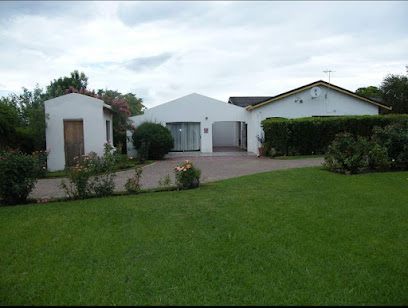
Accommodation and Experiences in Whittlesea, Eastern Cape
Whittlesea sits in the Eastern Cape’s rural heartland, offering a calm base from which to explore a landscape of rolling farmlands, far-reaching skies and friendly local hospitality. This is a destination where small guesthouses, B&Bs and farm stays characterise the stay, with hosts often ready to share tips on nearby nature walks, local crafts and seasonal produce. Whether you arrive by car from a regional town or by bus service, Whittlesea lends itself to laid‑back days, slow meals and the chance to observe authentic village life in a safe, welcoming setting.
When planning a stay, start by identifying which part of Whittlesea you’d like to be in. Central locations tend to be convenient for quick strolls to markets or village eateries, while quieter, out‑of‑town spots offer more space, garden settings and greater privacy. If you are visiting with family, a compact guesthouse or a family‑suite option may work well; for solo travellers or couples, a cosy bed and breakfast with a friendly host can feel like a home away from home. It’s worth noting that in smaller towns, amenities can be more modest than in larger centres, so choosing a property with reliable hot water, good Wi‑Fi and secure parking can make a big difference to your comfort.
Typical amenities you’ll encounter include comfortable en‑suite or private bathrooms, heating or air‑conditioning depending on the season, daily housekeeping, and on‑site meals or near‑by dining options. Many guesthouses offer breakfast as part of the package, sometimes with a choice of continental or traditional hot options. If you’re staying in a B&B or farm stay, you may have the opportunity to sample home‑grown produce or home‑cooked dishes, which is a pleasant way to start the day. Look for properties that make walking or cycling easy, with mapped routes or nearby trails, and with clear guidance on local transport options should you wish to move around without a car.
Transport in and around Whittlesea is typically by car or arranged transfers. Car hire from nearby towns or regional airports is common for visitors who want to explore beyond the town confines. If you’re not driving, check whether your accommodation can arrange a shuttle or provide helpful tips on local bus routes or micro‑dry services. For exploring rural landscapes, a short drive can unlock a wider choice of viewpoints, nature reserves and farm visits. Ask your host or property manager about the best times to travel between spots, especially in the shoulder seasons when daylight hours and weather can influence access to outdoor activities.
Best time to visit Whittlesea depends on what you want from your trip. Spring and autumn offer mild temperatures and quieter roads, ideal for countryside walks and village markets. Summer brings longer days and the chance of showers, with long days perfect for outdoor meals and farm‑to‑table experiences. Winter can be cool and crisp; it’s a good time to enjoy hearty meals at guesthouses and to experience the local warmth indoors. If your plans include nature tours or birdwatching, consult with your host about seasonal opportunities and local wildlife activity to maximise your time.
Practical planning tips to help you secure a comfortable stay include:
- Communicate clearly with hosts about bed configuration, dietary needs and check‑in times before arrival.
- Ask about parking arrangements, secure storage for luggage and any accessibility considerations.
- Check what is included in breakfast and whether you’ll have access to tea and coffee in your room at any time.
- Confirm clear cancellation policies in advance, particularly for peak travel periods or harvest seasons when demand can be higher.
- Look for properties with reliable Wi‑Fi if you need to stay connected for work or navigation, and verify if you’ll have mobile signal in your room.
Beyond places to stay, Whittlesea offers a sense of the region through its surrounding countryside and everyday village life. Local markets, small craft shops and seasonal eateries provide opportunities to sample regional produce and to talk with residents about the area’s history and traditions. While specific attractions and restaurants can vary, visitors generally find value in gentle outdoor activities, short scenic drives and farm visits that showcase farming practices, rural landscapes and community life. For a broader sense of what the region offers, see official tourism resources that highlight wildlife, nature trails and cultural experiences across the Eastern Cape.
Sample accommodation types you might encounter include traditional B&Bs, small guesthouses and family‑run farm stays. If you’re seeking a more self‑catering option, there are likely to be cottages or apartments on larger properties that provide kitchen facilities and a private entrance. When choosing a stay, consider how you prefer to balance privacy with personal service: a stand‑alone cottage can be ideal for sole travellers or families seeking space, while a guesthouse or B&B offers the comfort of a host nearby who can provide local insights and meal arrangements.
For planning resources, you can visit general South African tourism pages for the region, and you may wish to explore the local websites of potential stays to view photos, room layouts and the exact terms offered. A well‑chosen Whittlesea base can turn a rural break into a restful retreat with convenient access to the Eastern Cape’s wide horizons.