Accommodation and Experiences in Phuthaditjhaba, Free State: Where to Stay and How to Plan Your Visit
Phuthaditjhaba sits amid the rolling landscapes of the Free State, offering a relaxed base for travellers exploring the greater Drakensberg region and the nearby cultural and natural attractions. When planning a stay here, consider the layout of the town and the surrounding countryside, as different areas can influence how you access sights, eateries and transport links. A well-chosen base can cut travel time, help you wake to dramatic mountain views, and still keep you close to practical amenities such as shops, laundry facilities and reliable Wi‑Fi for planning day trips.
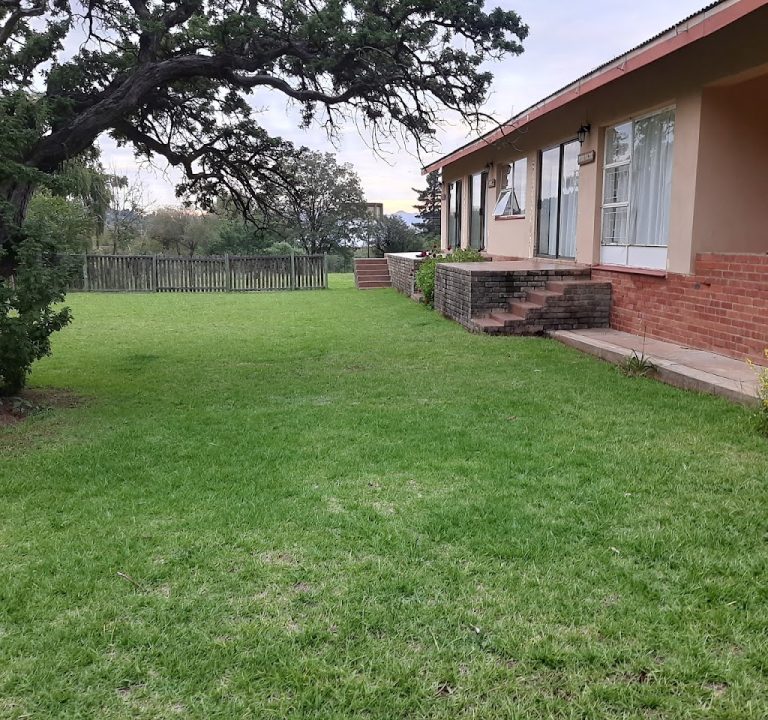
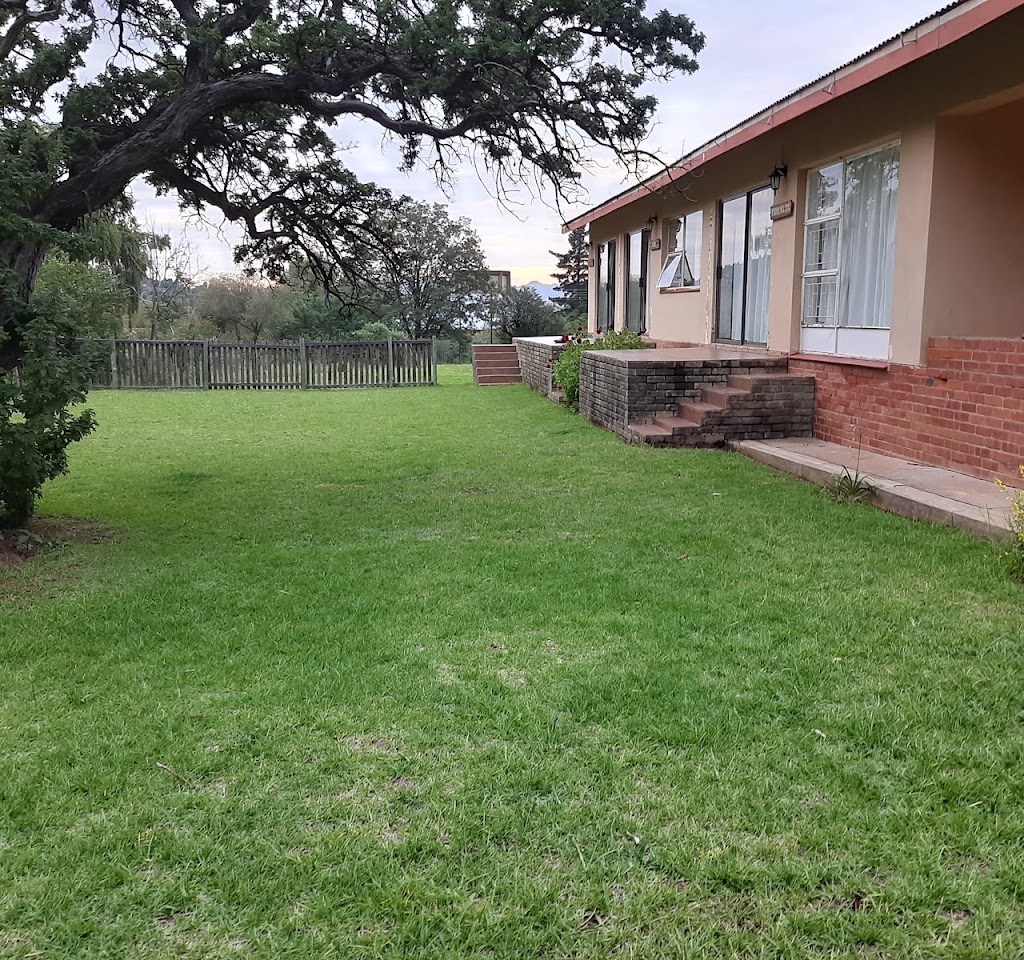
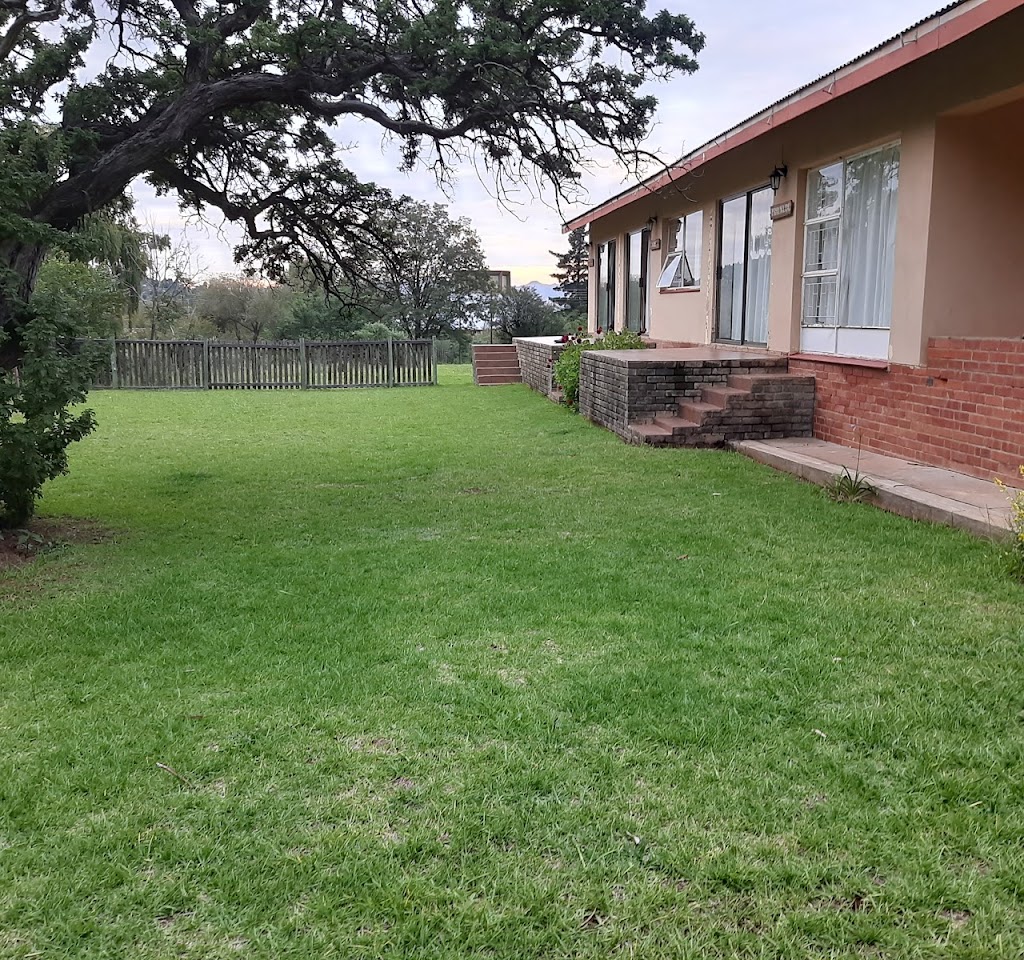
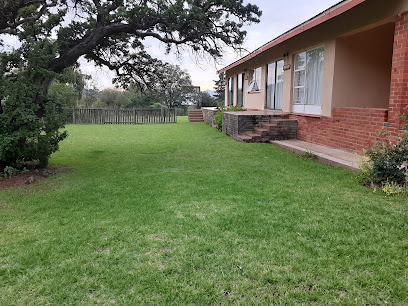
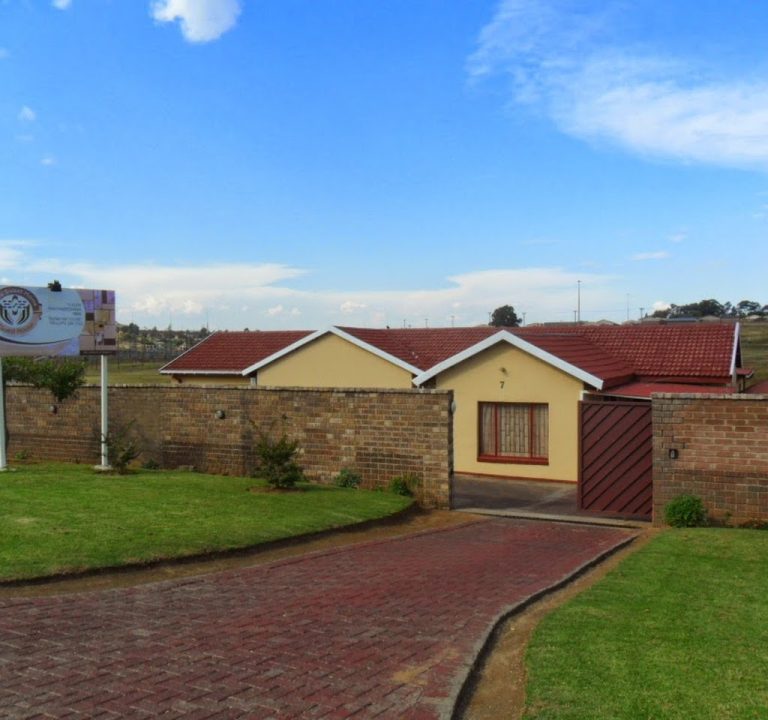
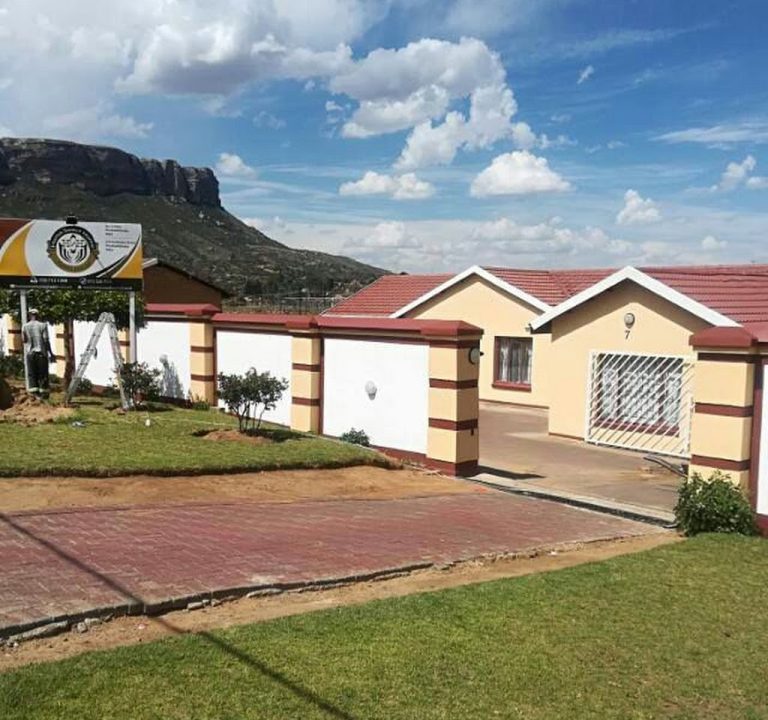
Accommodation options in and around Phuthaditjhaba range from lodge retreats and guesthouses to comfortable B&Bs and self-catering lodges. Many properties place emphasis on warm hospitality, clean, comfortable rooms, and convenient on-site features like secure parking, continental or full-table breakfasts, and lounges or outdoor spaces with views of the surrounding hills. In addition to private rooms, some lodges and guesthouses offer family units or 2–3-bedroom options, which can be more economical for groups or longer stays. When booking, look for clear photos, honest room descriptions, and cancellation policies that suit your travel plans. Properties near central Phuthaditjhaba may offer easier access to markets and eateries, while those on the outskirts can deliver quiet, scenic neighbourhoods and quicker access to hiking trails and viewpoints.
Transport considerations are important. If you plan to explore beyond the town, a rental car provides the most flexibility, especially for visiting viewpoints, nature reserves and traditional villages in rural Free State. Public transport options are more limited here than in larger cities, so check transfer arrangements with your accommodation if a car is not in your plans. For shorter excursions, organised day trips or local guides can enrich your understanding of the landscape and culture, and some lodges arrange such experiences on request. When you arrive, confirm check-in times so you can coordinate with any scheduled activities, especially if you arrive after dusk in winter months when roads can be less busy but lighting is limited in rural areas.
The best time to plan a visit depends on your priorities. Spring and autumn bring milder temperatures and clearer skies, ideal for outdoor walks and photography. Summer invites vibrant birdlife, blossoming flora, and the possibility of afternoon showers, so having light rain gear can be useful. Winter offers crisp air and expansive views on high ridges, though temperatures can drop, particularly at night. If you are keen on stargazing, the highveld nights can be strikingly dark, conditions that are well suited to accommodation with outdoor seating or balcony spaces.
Facilities to look for when booking include reliable heating or cooling as appropriate for the season, good soundproofing, and comfortable bedding. Proximity to safe walking trails or trailheads is a plus, as are en-suite bathrooms, in-room hot beverages facilities, and a small fridge or minibar. A well-equipped guesthouse or lodge will typically offer secure parking, a communal area for socialising, and a friendly reception to help with restaurant recommendations, local markets, and guided excursions. If you plan to dine in-house or within a short walk, check whether the property offers meals, and what options exist for dietary needs or preferences.
Restaurants in the area tend to showcase a mix of local flavours and contemporary South African cuisine. Expect hearty dishes inspired by mountain living, with opportunities to sample regional staples in relaxed settings. In planning meals out, you can mix quick, casual lunches near the town centre with more substantial dinners at lodges or guesthouses that focus on locally sourced ingredients and seasonal menus. Asking for recommendations from your host can also lead you to hidden gems where you can enjoy authentic, modestly priced meals and a friendly, local atmosphere. If you are passing through on a day trip, many local eateries operate flexible hours, but it’s sensible to check opening times in advance, particularly on weekends or public holidays.
One practical planning tip is to map out a loose itinerary that balances nature, culture, and downtime. A typical stay could include a morning trail or viewpoint visit, a midday meal in town, and an afternoon rest or a visit to a cultural village or museum if available nearby. Evening strolls along safe streets and a relaxed dinner can round off the day nicely. To help with planning, you can explore regional tourism resources for trusted information on routes, seasonal conditions, and current events. For additional inspiration and general background, you can visit regional or national tourism websites which provide overviews of accommodation types, attractions, and practical travel advice.
When choosing a base, consider these areas and factors:
- Central Phuthaditjhaba for accessibility to shops, markets and dining options.
- Outlying lodges or guesthouses with mountain views for a quieter stay and potential direct access to nature trails.
- Proximity to the QwaQwa region and Drakensberg gateways for day trips and spectacular scenery.
- Availability of self-catering facilities if you prefer cooking some meals or hosting small gatherings.
- Amenities such as secure parking, reliable heating, and Wi‑Fi, especially for longer visits.
Practical tips for a smooth trip: book in advance during peak travel times, especially if your trip coincides with school holidays or festival periods; confirm inclusions such as breakfast, meals, or guided activities; check accessibility for any mobility needs; and keep a small amount of local currency for places that may not accept card payments. With thoughtful planning, Phuthaditjhaba offers a welcoming base from which to explore the Free State’s landscapes, culture, and hospitality, making a stay here both restorative and engaging.
For further ideas and practical guidance about planning your stay, you can consult official tourism pages and regional guides, which can provide up-to-date details on accommodation options, routes, and suggestions for enjoying the natural and cultural richness of this part of South Africa. South Africa Tourism can be a helpful starting point for broader context and planning tips.