Dolphin Coast, KwaZulu-Natal: Where to stay and what to do
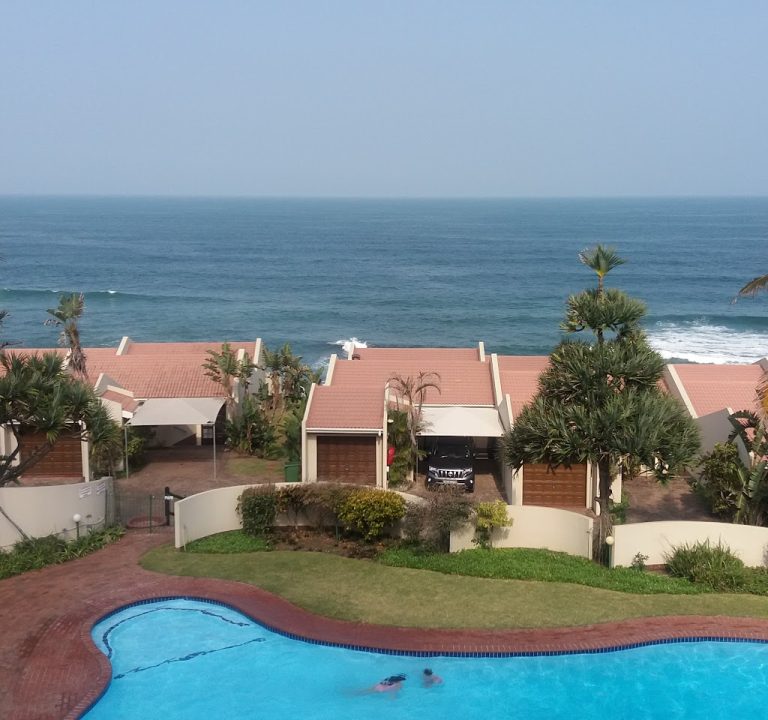
The Dolphin Coast stretches along the northern KwaZulu-Natal shoreline, offering a relaxed blend of white-sand beaches, warm Indian Ocean waters and a friendly, welcoming vibe for visitors seeking a memorable coastal getaway. Whether you are drawn by family-friendly beaches, pristine estuary habitats or easy access to nearby towns, this region accommodates a range of travellers—from cosy guesthouses to contemporary seaside hotels. A stay centred around commutable, comfortable accommodation can make the most of the area’s natural beauty and practical convenience.
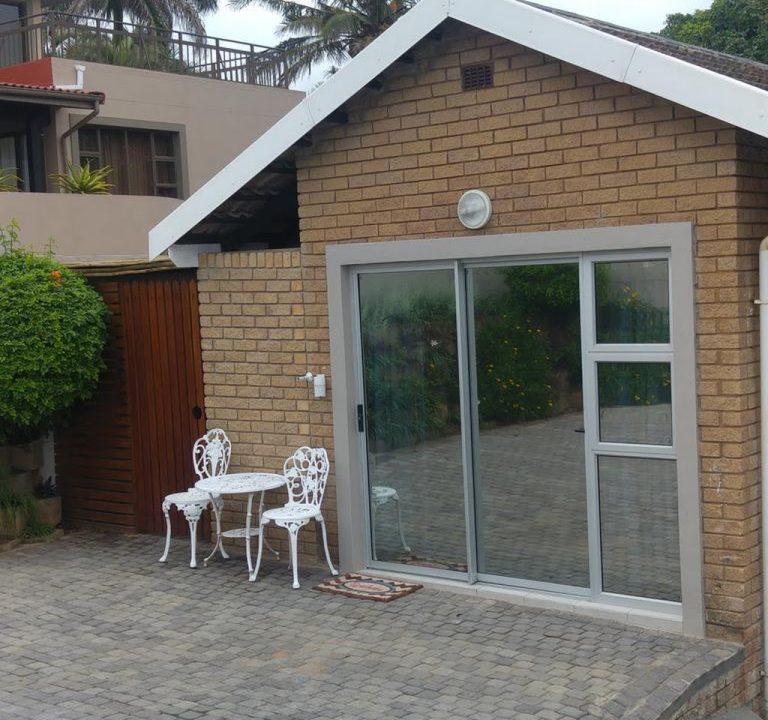
When choosing where to stay, consider the different coastal pockets and what they offer. Ballito, for example, is a popular base with a lively town centre, long beach walks and a growing selection of eateries and shops. Nearby areas such as Salt Rock and Shakas Rock tend to be quieter, with a more laid-back atmosphere and homelier guesthouse stays. If you prefer a little more seclusion, inland pockets near nature reserves or estuary viewpoints can provide a tranquil counterpoint to the sea. For family holidays, look for properties with kid-friendly facilities, secure parking and easy beach access. An example of accommodation in the area is a guest house such as Ebenezer House, which illustrates the character of a comfortable, home-from-home option in this coastline belt.
Typical amenities you’ll encounter include en-suite bathrooms, air conditioning or fans for warm KwaZulu-Natal days, free WiFi, and breakfast options that showcase local flavours. Many guesthouses and boutique hotels in the Dolphin Coast also offer communal lounges, outdoor patios or gardens, and sometimes pools with sunloungers. When booking, check whether the property provides beach gear (umbrellas, towels, boogie boards), on-site parking, and the possibility of arranging guided local experiences. If travel plans involve longer stays, a kitchenette or self-catering facilities can be a real convenience, especially for families or groups who like to prepare meals after day trips.
Transport is an important planning consideration. If you plan to explore beyond your immediate base, a hire car is often the most convenient option, offering flexibility to visit seaside villages, estuaries and nearby nature reserves at your own pace. Some properties may arrange airport shuttles or private transfers, so it’s worth asking. Public transport is available in larger towns, but timetable reliability can vary along the coast. If you’re staying in a smaller guesthouse, verify easy access to local taxis or ride-hailing services. For day trips, the coast’s road network is generally straightforward, but expect coastal towns to have limited off-street parking in peak seasons, so early arrival can help secure a good spot.
The best time to visit the Dolphin Coast depends on your interests. Warmer, sunny days prevail in the summer months, ideal for swimming, paddling and long beach walks. Winter offers cooler evenings and a more relaxed pace, with excellent conditions for nature walks, birdwatching and estuary exploration. Shoulder seasons often present a balance of comfortable temperatures and quieter beaches. The region’s subtropical climate means that rain is possible year-round, so packing a light rain jacket can be sensible for occasional showers, even on sunny plans.
To plan well, map out a balance of beach time, nature-based activities and culinary experiences. The Dolphin Coast is well placed for easy day trips to inland reserves, nature trails and coastal viewpoints. Consider adding visits to nearby towns’ markets, craft fairs and casual dining spots where you can sample local produce and dishes. When selecting eateries or informal dining options, look for venues that emphasise fresh ingredients and coastal favourites, with ample outdoor seating to enjoy the sea breeze if the weather allows. For those who enjoy urban flavour, a short drive to larger towns provides a broader range of dining concepts and nightlife choices, while many smaller coastal venues deliver intimate, coast-facing atmospheres that are perfect after a day on the sand.
Practical planning tips:
- Book accommodation with direct beach access or a short walk to the shore for maximum convenience.
- Check the property’s safety features, such as secure parking, well-lit entrances and reliable WiFi if you require remote work options.
- Ask about breakfast options, late check-in procedures and how housekeeping is managed during longer stays.
- In high season, consider accommodation with flexible cancellation policies and clear details about peak-season surcharges.
- Plan outdoor days around the tides and estuary conditions when possible, particularly if you intend to kayak or paddleboard.
Finally, good preparation is the key to a relaxed stay. Have a lightweight bag ready for day trips, with sun protection, a hat, water bottle and comfortable footwear. A coastal holiday in KwaZulu-Natal can be wonderfully varied—from sun-kissed mornings on the sand to sunset strolls with the Indian Ocean as your backdrop. With careful selection of a guest house or boutique stay, and a flexible, well-planned itinerary, your Dolphin Coast visit can offer comfortable accommodation, simple pleasures and memorable experiences in equal measure.
For more information on regional planning and attractions, visit official tourism resources and regional guides to Dolphin Coast and KwaZulu-Natal. These can provide current inspiration on family-friendly activities, walking trails, and cuisine-focused experiences to enhance your trip.