Staying in Wilderness, Western Cape: where to base your visit and what to do
Nestled along the famous Garden Route, Wilderness in the Western Cape offers a laid‑back base for travellers seeking forested tranquillity, river views and easy access to both nature and coastline. The town is small and friendly, with a string of family‑run guesthouses, boutique lodges, and well‑located campsites that suit a range of budgets and styles. When planning a stay in Wilderness, consider which area will give you the best balance of scenery, beaches, and ease of day trips to nearby attractions.
Accommodation in Wilderness spans several pockets of the town and its surroundings. The coastline fringe provides access to sandy beaches and viewpoints, while the inland routes lead you into forested hills and the pleasant, cooler climate of the lagoon valleys. If you are keen to combine a nature‑led stay with a sprinkle of coastal strolls, look for places within a short walk of the main roads that connect Wilderness to Sedgefield and George. For a more immersive nature experience, consider staying near the forests or in the Garden Route National Park areas, where you can wake up to birdsong and the scent of pine.
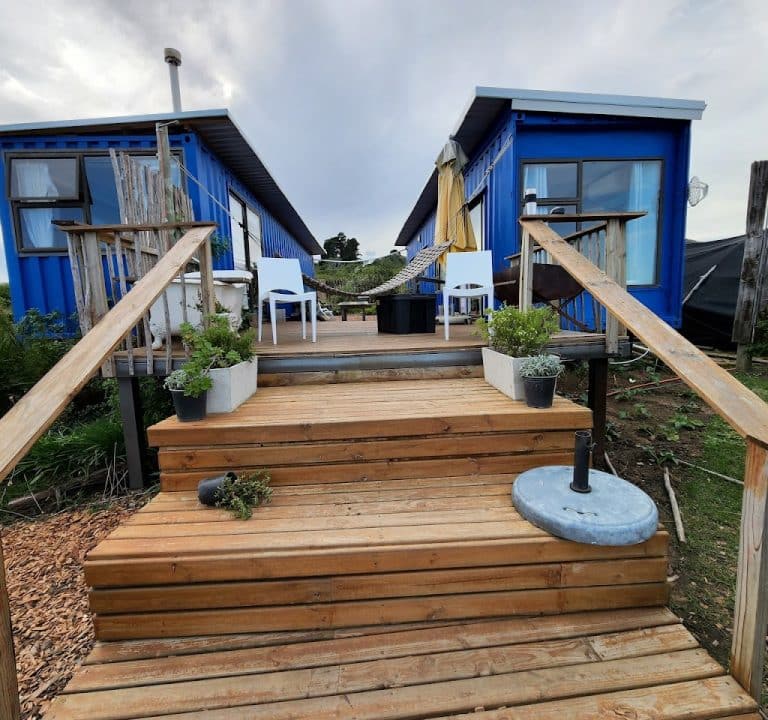
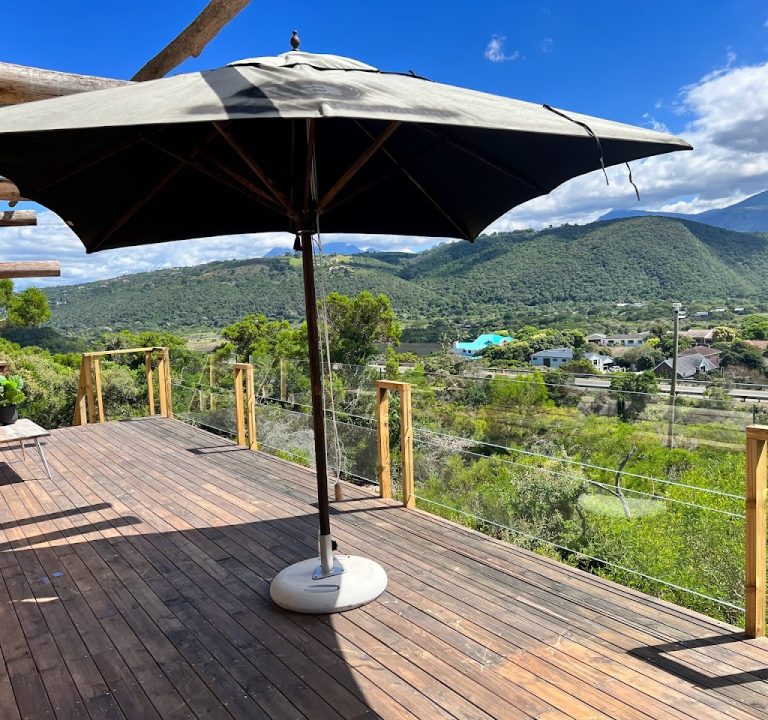
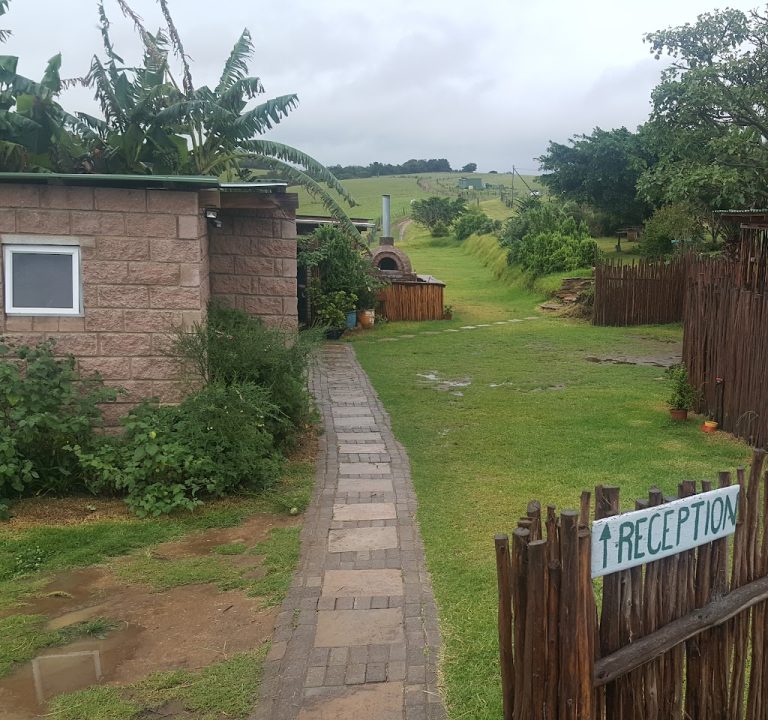
Typical amenities you can expect include well‑furnished rooms or cabins, self‑catering facilities, clean shared or private bathrooms, and outdoor spaces for relaxing after a day of exploring. In the more rustic campsites, you may find shaded pitches, fire pits, and communal facilities that suit families and groups who enjoy a simple, outdoor‑minded stay. If you prefer a fixed structure, many guesthouses offer generous breakfasts, private terraces, and secure parking. For families with children or guests who value flexibility, self‑catering cottages and small lodges can be a convenient option.
Transport in Wilderness is straightforward but requires a touch of planning. The town itself is compact enough to explore on foot or by bike, but to access beaches, forest trails, and nearby towns, a car is very helpful. If you are staying near the main roads, you’ll have good access to local eateries and shops; if you are based closer to the river or forest, a short drive will be needed to reach larger supermarkets or restaurants. When arranging transport, check whether your accommodation offers parking or transfer options, and enquire about advisable driving routes for scenic day trips along the coast and inland valleys.
Best time to visit Wilderness tends to be spring through autumn (September to March), when coastal days are warm and the landscape is lush. Winter can be cooler and wetter, which can be pleasant if you enjoy quiet walks and cosier evenings indoors, but be prepared for variable weather. The area experiences a maritime climate, so layering and a light rain jacket are sensible year‑round companions. If you are drawn to birdwatching or nature walks, dawn and late afternoon are particularly rewarding times in the forests and near the lagoons.
Typical activities and experiences nearby include long, sandy beaches for strolls and safe swimming on calmer days, forest trails with varying difficulty levels, and canoeing or paddle‑boarding on inland waters. Adventure seekers can look for guided hikes or cycling routes that explore the fresh coastal scenery and the evergreen riverine landscapes. There are several nature‑focused attractions in the wider region, from forest reserves to viewpoints overlooking the coastline, all of which provide excellent photo opportunities. For a relaxed day, a visit to local farms or markets can be enjoyable, with regional produce and handmade goods commonly available in nearby towns.
When it comes to dining, Wilderness offers a selection of casual seafood bistros, café‑style eateries, and family‑friendly restaurants. Many places prioritise fresh, local ingredients and easygoing menus that suit all ages. If you prefer to cook, choose accommodation with self‑catering facilities or a kitchenette, or look for a holiday home with a shared kitchen where guests can prepare simple meals after a day outdoors. Some establishments also arrange beach picnics or small private dinners for guests, adding a touch of pampering to your stay without needing to book far in advance.
Planning tips to help you get the most from your stay in Wilderness:
- Check proximity to nature trails and beach access when booking, so you can maximise outdoor time without long drives.
- Ask about complimentary amenities such as Wi‑Fi, parking, and shaded outdoor areas for al fresco dining or resting after a day out.
- Consider a mix of accommodation types if you want different experiences—one night in a lakeside lodge, another in a forest camp, for example.
- Look for properties with flexible check‑in times or self‑check‑in options, especially if you plan late arrivals after day trips.
- Confirm accessibility features if important for your group, including ground‑level rooms and safe, well‑lit parking.
Among the practical options within Wilderness is the Ebb‑and‑Flow Rest Camp (Garden Route National Park – Wilderness Section). This campground provides a straightforward base for exploring the surrounding scenery, with a location among riverine and coastal landscapes that make for easy day trips. For more detailed information and the latest offerings, you can visit the SANParks page dedicated to accommodation in the Wilderness area: https://www.sanparks.org/parks/garden_route/camps/wilderness/tourism/accommodation.php
In planning a visit, balance your time between quiet nature days and opportunities to explore nearby towns along the Garden Route. Wilderness is a gateway to a wealth of coastal and forest experiences, and with the right accommodation—whether a cosy guesthouse, a self‑catering cottage, or a riverside camp—you can tailor your stay to your pace and interests. By setting your priorities—easy beach access, forest walks, or a comfortable home base—you’ll be well placed to enjoy the natural charm and gentle hospitality that define Wilderness, Western Cape.