Gqeberha: A Practical Guide to Accommodation and Local Experiences
Gqeberha, formerly known as Port Elizabeth, sits along the Eastern Cape coastline and serves as a vibrant base for travellers exploring the region. When planning a stay, think about what you want most from your visit: easy access to beaches, proximity to attractions, or a quieter neighbourhood with good hospitality. The city offers a range of accommodation types including guest houses, boutique hotels, self-catering apartments, and family-friendly lodges. Look for properties that emphasise guest comfort, clean spaces, dependable housekeeping, and knowledgeable staff who can point you to the best local experiences.
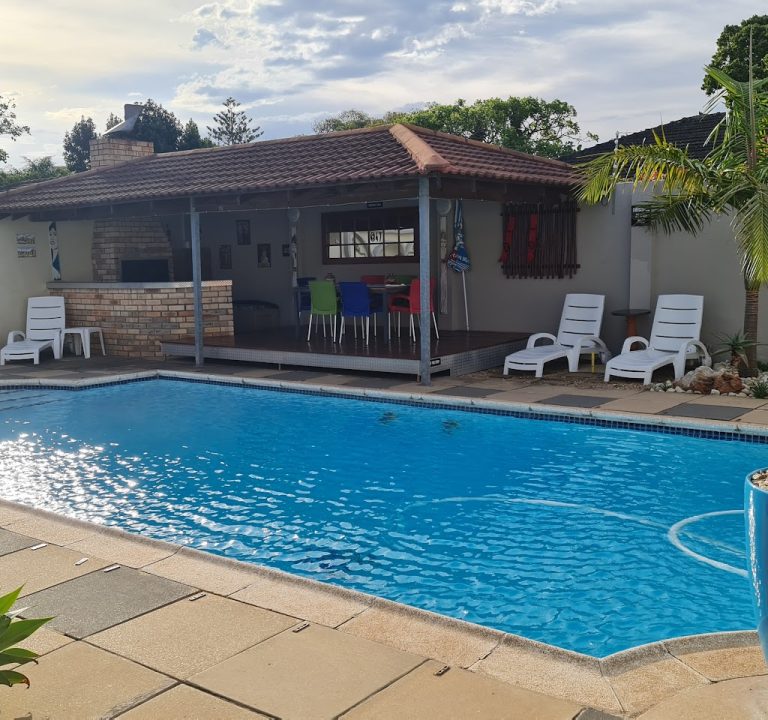
Neighbourhoods to consider might include the bustling beachfront zones for easy sea access and lively eateries, the leafy suburbs a short drive from the city centre for a calmer stay, or central pockets that put you within walking distance of cultural sights and shops. A practical approach is to map out a few key bases based on your itinerary—whether you plan long days at the beach, day trips to wildlife reserves, or slow mornings with coffee at local cafés. If you are travelling with family or a larger group, look for spacious suites, secure on-site parking, and rooms that can be connected or configured for flexible sleeping arrangements.
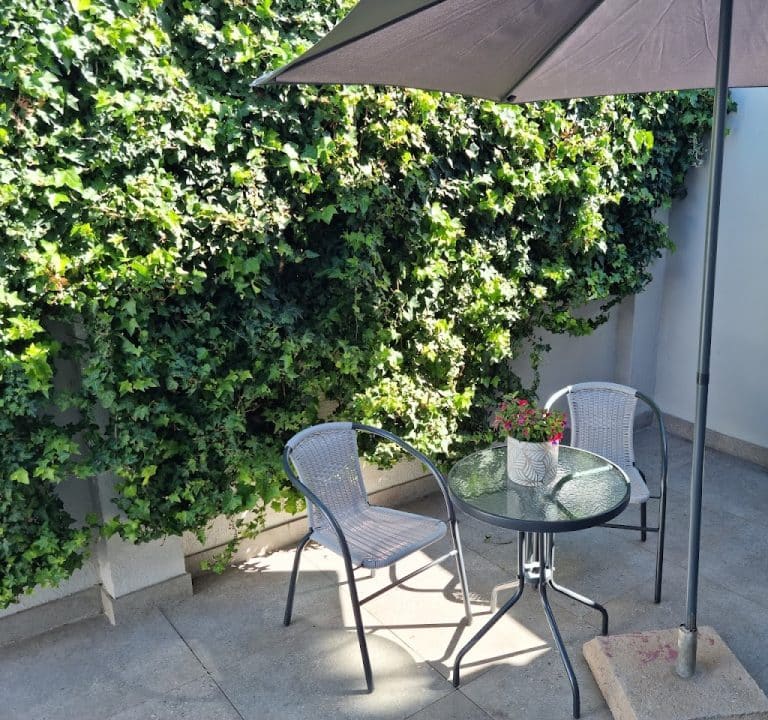
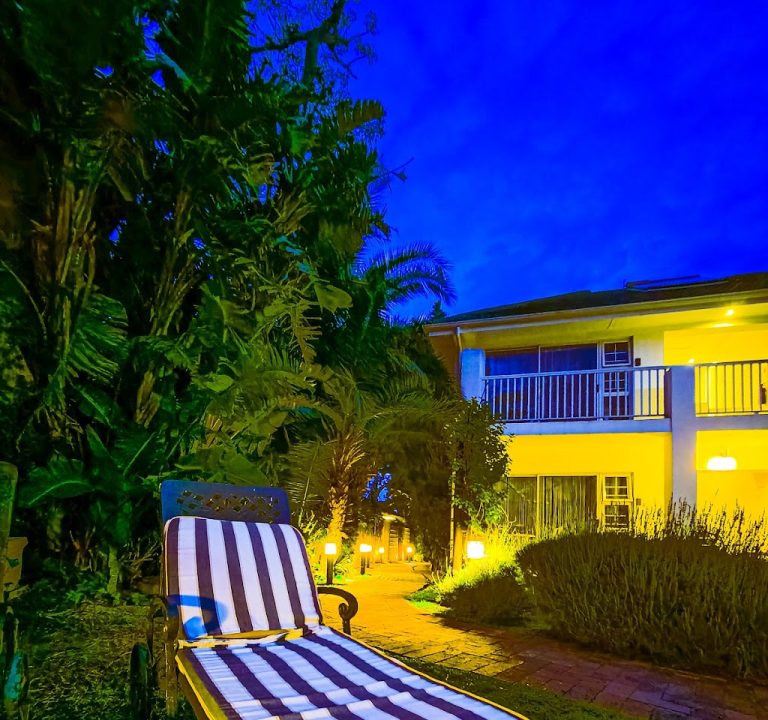
What to look for when booking matters as much as the location. Essential amenities often include reliable wi‑fi for remote work or streaming, air-conditioning or good ventilation for warm coastal days, and a secure dining option whether breakfast is continental, full-serve, or self-catering. A guest house or inn with private entrances or balconies can add a sense of space and privacy. Check recent guest reviews for consistency on cleanliness, staff responsiveness, and the accuracy of advertised facilities. If you rely on transport, confirm whether the property offers parking and if it can arrange airport transfers or trusted shuttle services.
Transport in and around Gqeberha is straightforward but varies by area. Many visitors choose to hire a car to maximise flexibility for beach days, wildlife trips, and coastal drives. Public transport exists, though it can be less convenient for visitors unfamiliar with local routes. If you prefer not to self-drive, select accommodation near major routes or within easy reach of reliable rideshare options and local taxis. Walking and cycling can be pleasant in seaside and park-adjacent zones, but plan longer trips between suburbs for peak heat or windy coastal conditions.
The best time to visit depends on your priorities. The summer months (roughly November to February) bring warm days ideal for beaches and outdoor activities, though afternoon thunderstorms are possible. Autumn can be pleasant with milder temperatures, while winter is typically cooler and drier—great for museum visits, historic sites, and coastal strolls without the crowds. For wildlife lovers, day trips to nearby reserves or game parks are popular year-round, with longer, comfortable drives expected in spring and autumn. Whatever the season, bring sun protection, comfortable footwear, and a light layer for cooler evenings along the coast.
Planning a balanced itinerary helps you experience both the city and the wider region. Allocate time for a stroll along the promenade and some beach time if the weather allows, then book a couple of cultural experiences such as local museums or heritage centres during cooler parts of the day. For a taste of the local dining scene, look for cafés and bistros offering light meals, fresh seafood, and dishes that showcase regional ingredients. Rather than chasing specific names, focus on places with friendly service and good reviews for consistency and value. Many properties can suggest relaxed, no-fuss eateries that suit families, couples, and solo travellers alike.
Typical days can begin with a stroll or a café breakfast, followed by a beach visit, a cultural stop, and a relaxed evening meal. If you are staying in a guest house or a small venue, you may have the option of a cooked breakfast or a shared kitchen for preparing a simple meal. For longer stays, consider booking a mix of accommodation types—perhaps a beachfront base for sun and sea days and a central base for easy access to museums and shopping. This approach keeps travel times reasonable and gives you the chance to experience different facets of Gqeberha.
- Beachfront and Humewood areas offer coastal access and a lively atmosphere, with shorter walks to eateries and shops.
- Walmer and Greenacres provide quieter streets, more spacious properties, and convenient access to shopping centres and parks.
- Central and inner-city pockets put you closer to museums, markets, and historic sites, with easy access to taxis or private transfers.
- Near the airport or major highways can minimise transfer times for short stays or business trips.
For those seeking inspiration beyond the city’s shores, day trips to nearby natural reserves, coastal viewpoints, and rural towns offer a broader sense of the Eastern Cape. Even with a packed schedule, a well-chosen guest house or boutique hotel can feel like a home base—providing warm hospitality, thoughtful touches, and practical guidance to help you make the most of your visit. Some properties maintain updated information on local attractions and seasonal highlights, so don’t hesitate to ask your hosts for tips on the best times to visit particular sites or to reserve experiences that align with your interests.
Ultimately, a successful stay in Gqeberha hinges on choosing a comfortable, well-located base, pairing it with pragmatic travel planning, and keeping expectations flexible to take advantage of the region’s natural beauty and cultural offerings. With a little preparation, you can enjoy restorative beaches, engaging heritage experiences, and welcoming dining options that capture the flavour of the Eastern Cape.