Accommodating a Stay in Duiwerivier, Western Cape: Where to Stay and What to Do
Duiwerivier is a small coastal enclave on the Western Cape’s Garden Route, famed for its rugged shoreline, tranquil river estuary and close proximity to unspoilt beaches. Visitors typically come for a relaxing retreat, wildlife-watching, and easy access to nature trails. When planning a stay in this part of the coast, think about how you want to balance waterfront views with practical access to shops and day trips. A range of accommodation options waits, from self‑catering cottages to welcoming guesthouses, each with its own character and set-up to suit different travellers’ needs.
When choosing where to base yourself, consider three core areas. First, the coastal stretch near the beach and estuary offers the most photogenic views and immediate access to water activities. Second, inland pockets often provide a quieter atmosphere, good for families or groups seeking more space and privacy. Third, proximity to the main access routes facilitates day trips to nearby coastal towns and nature reserves. For ease, look for properties that clearly indicate parking or private access, simple road connectivity, and clear directions for arrival, as some lanes can be narrow and local signage modest.
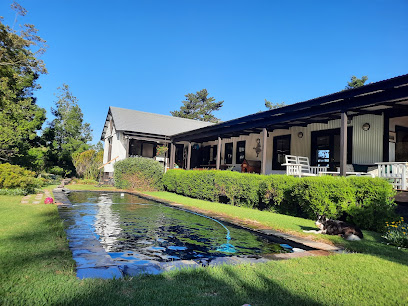
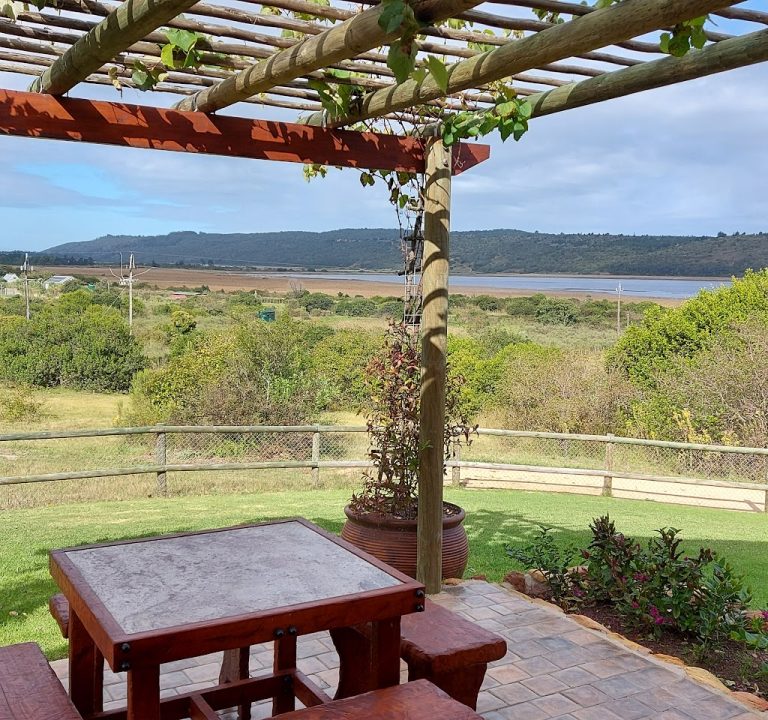
Accommodation in Duiwerivier tends to fall into several friendly categories. Self‑catering cottages and coastal huts are ideal for travellers who want flexibility and a home-from-home feel, with kitchen facilities and communal outdoor spaces. Guesthouses and small inns typically offer a more curated experience, including breakfast options, attentive hosts, and guidance on local sights. For something with a touch of wilderness charm, lodges and tented options near the river or hinterland can provide a memorable blend of comfort and nature. A notable example is Eagles’ Call Cottages and Tent, which combines comfortable lodging with river- and garden-adjacent scenery. See their site for an overview of the setting and available accommodation styles: https://www.eaglescallwilderness.co.za/.
Typical on-site amenities vary by property but commonly include warm, well‑insulated interiors suitable for winter stays, private or en‑suite bathrooms, and well-equipped kitchens or kitchenettes. Free or reliable Wi‑Fi is becoming more common in cottages and guesthouses, along with secure parking, outdoor seating areas, braai (barbecue) facilities, and dedicated outdoor spaces for children or pets where permitted. Where possible, check whether the property provides essential conveniences such as fresh bedding and towels, daily cleaning (if offered), and a clear policy on cancellation and refunds—these details can save last‑minute inconveniences.
Transport and getting around are important planning points. Duiwerivier is best explored with a car, as public transport options are limited and local attractions are spread out. If you are coming from larger towns or cities along the Garden Route, a short drive will bring you to the village, with most accommodations offering parking. For travellers seeking a more relaxed pace, some hosts may arrange guided walks, water‑based activities, or day trips to nearby reserves or coastal viewpoints. It’s worth asking about shuttle options or nearby taxi services when you book, particularly for evening meals out or if you plan to visit multiple locations in a day.
Best time to visit depends on your preferences. The coastal climate yields mild, sunny summers and cooler, windy winters. Summer (roughly November to February) brings longer days and sea breezes that are ideal for beach days and kayaking or paddling along estuary channels. Winter (June to August) can be cooler and atmospherically dramatic, with opportunities for whale watching along the coast during the season and excellent conditions for quiet coastal walks. Spring and autumn shoulder seasons often combine pleasant weather with fewer crowds, making them a good choice for visitors seeking a peaceful break and good value on accommodations.
Planning tips to help you make the most of your stay:
- Book early during peak holidays and school breaks, as riverside or beachfront cottages tend to fill quickly.
- Confirm access to essentials such as air heating or cooling, hot water, and reliable internet if you need to work remotely or stay connected.
- Prioritise properties with clear arrival directions, parking details, and openness about how to reach the beach or estuary from the accommodation.
- Ask your host about local dining options and whether they can recommend nearby eateries or markets offering fresh seafood and produce.
- Plan a day trip or two to nearby nature reserves or coastal viewpoints to fully appreciate the region’s biodiversity and scenery.
- Consider a flexible itinerary to accommodate variable weather; you may want both a beach day and a sheltered day exploring inland trails or a small town’s cultural offerings.
In addition to the accommodation itself, there are several general attractions and experiences often highlighted by visitors to Duiwerivier. Coastal walks with striking sea views, river estuary explorations, and wildlife watching are common highlights. Visitors frequently combine a day by the water with a scenic drive along the junctions of the coast to nearby towns offering casual eateries and galleries. Restaurant experiences tend to emphasise fresh, locally sourced ingredients, with menus that celebrate seafood and Cape produce. For guests who enjoy guided experiences, inquire about itineraries or local guides who specialise in birdlife, marine ecosystems, or trail walks along the surrounding nature reserves.
With thoughtful planning, a stay in Duiwerivier offers a relaxed coastal gateway that blends restful accommodation with natural beauty. For more detailed information on specific properties, availability and arrangements, visiting the linked accommodation provider’s site can help you tailor dates, room types, and amenities to your needs while ensuring your stay aligns with your travel style and budget.